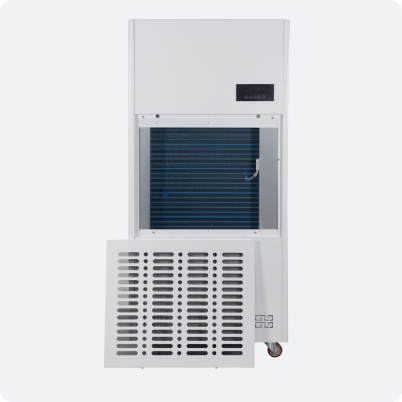
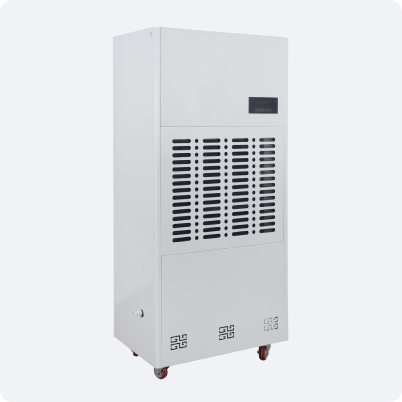
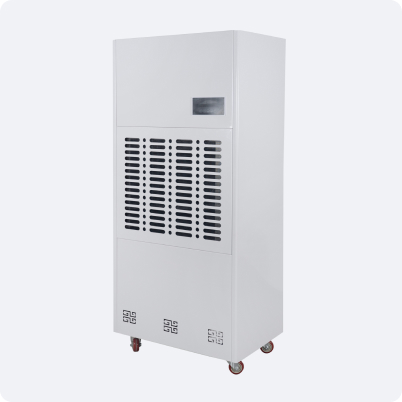
| Item | Specification |
|---|---|
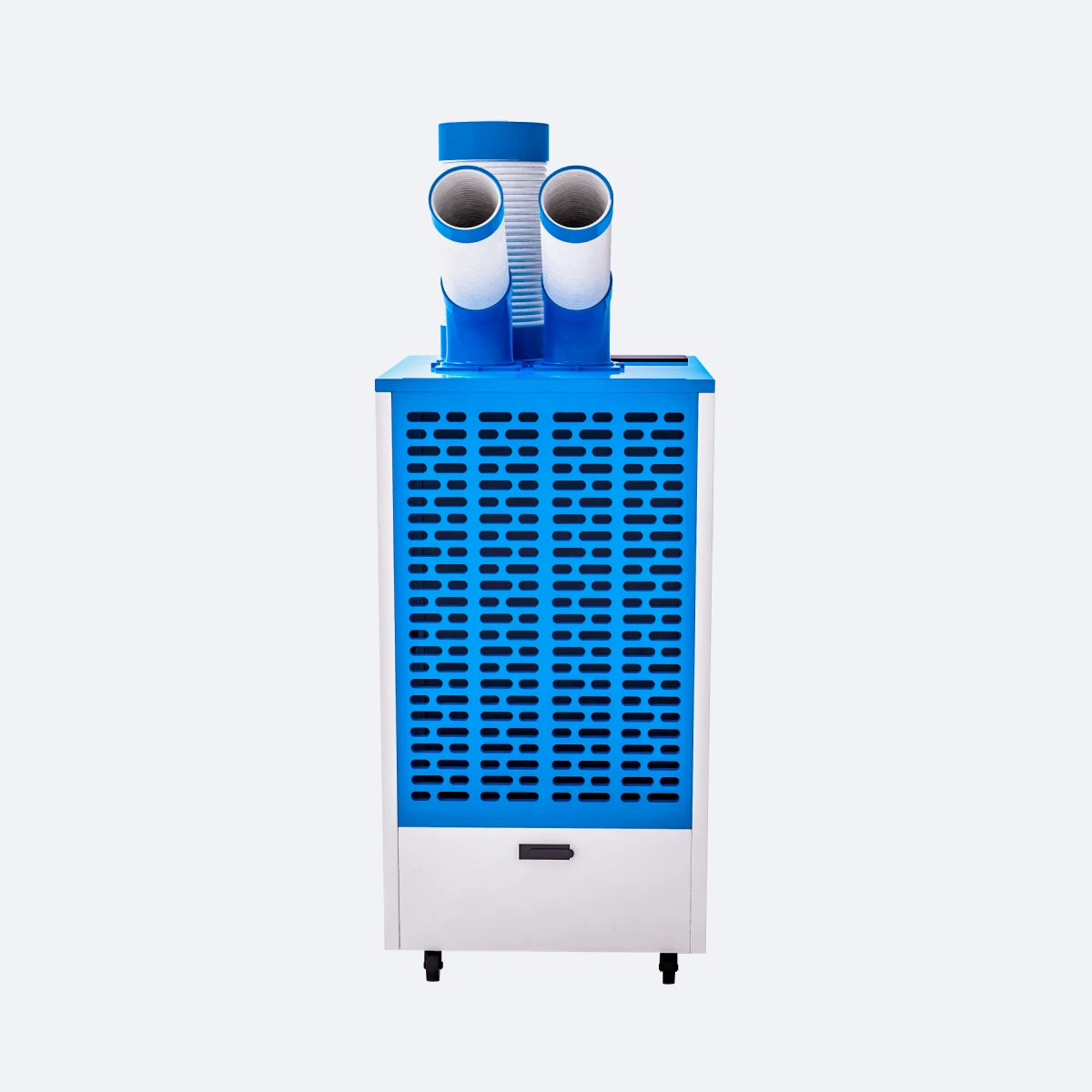
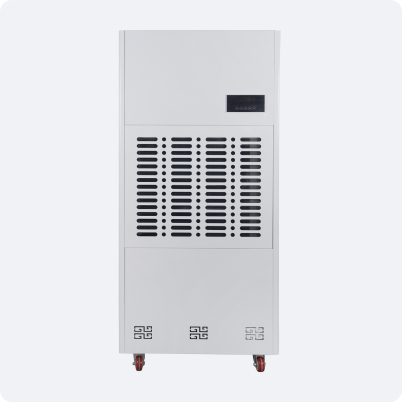
| Dehumidification Capacity(30℃,80%RH) | 240L/D |
| Power Supply | 220V/380V |
| Rated Power | 3000W |
| Noise Level | ≤60dB(A) |
| Air Circulation (m³/h) | 2400 |
| working humidity range | 30-80% |
| Applicable Area | 200-300 |
| Working Temperature | 5-38℃ |
| Drainage Method | Continuous Drainage via Hose |
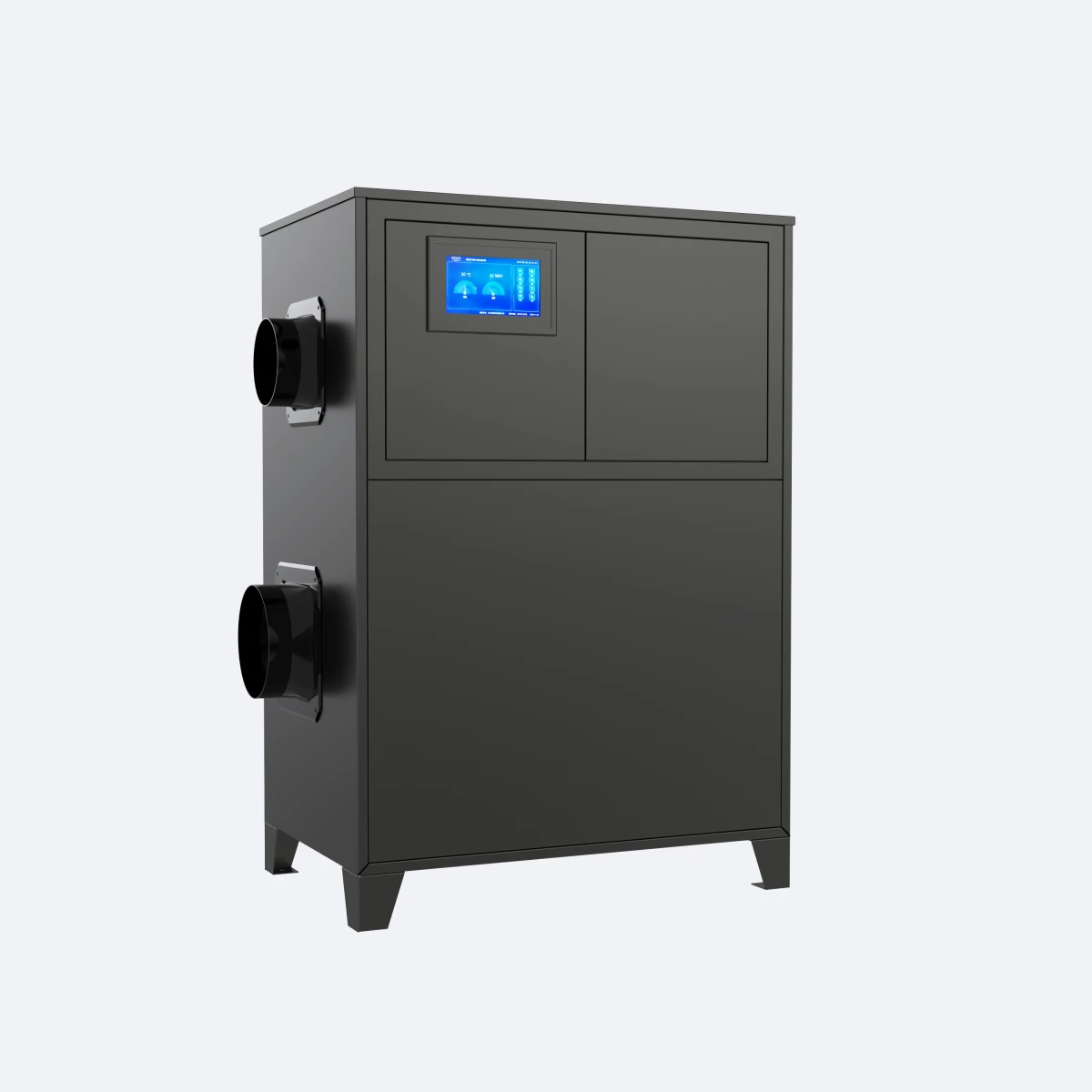
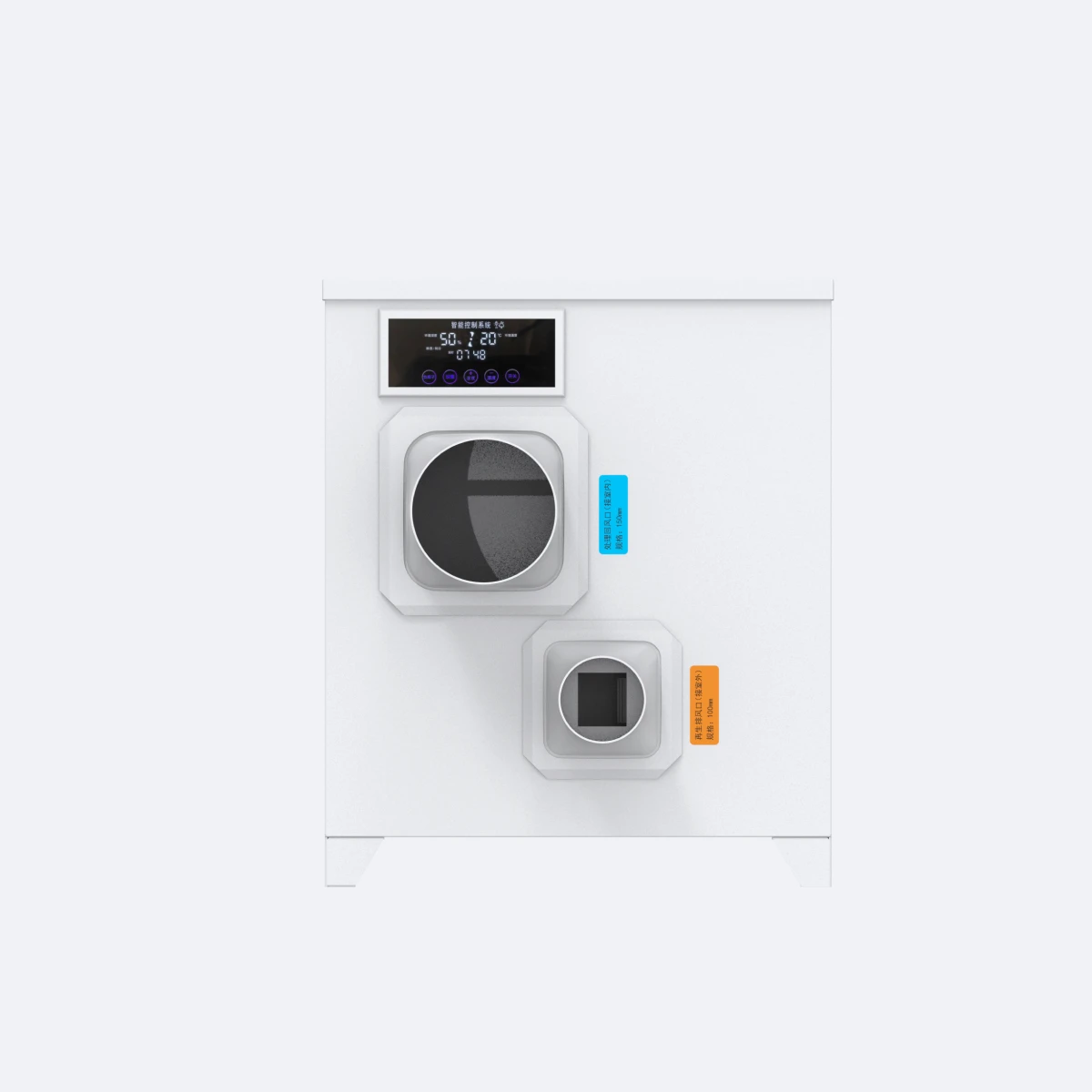
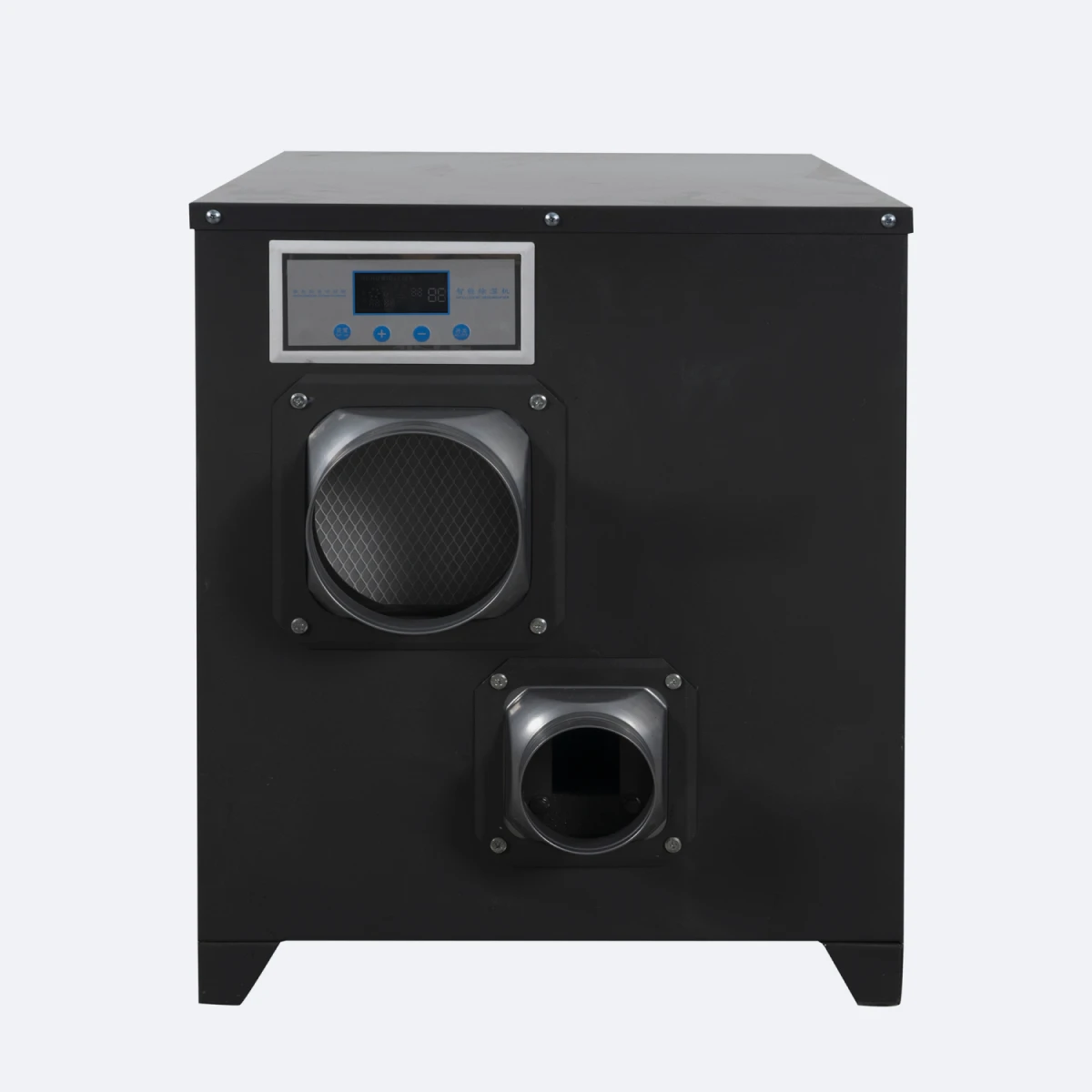
| Product Dimensions | 770x490x1720mm |
| Packing Dimensions | 850x560x1800mm |
| Refrigerant | R410a/R22/R32 |
| Net Weight/Gross Weight | 105kg/110kg |
| FOB Shanghai(USD) | 720 |
Engineered for Mobile Architecture: The Caravan Dehumidification Unit
Recreational vehicles and mobile architectural structures present a highly complex thermodynamic environment. Because a caravan features a strictly confined interior volume and thin, highly conductive exterior walls, it is extraordinarily susceptible to rapid temperature fluctuations and aggressive condensation. When occupied, human respiration and cooking generate immense vapor pressure that standard roof vents cannot adequately process. A dedicated caravan dehumidification unit is mechanically engineered to intercept this rogue ambient steam. By aggressively lowering the internal relative humidity, these compact systems prevent the mobile envelope from reaching its dew point, ensuring a stable, dry cabin regardless of external weather conditions.
Structural Preservation via a Recreational Vehicle Moisture Extractor
The interior of a high-end motorhome relies heavily on engineered organic materials that are highly vulnerable to atmospheric moisture. Deploying a commercial-grade recreational vehicle moisture extractor is a mandatory preventative measure for fleet preservation. By strictly regulating the equilibrium moisture content of the cabin air, the machinery ensures that sensitive interior build materials, such as teak parquet flooring, structural plywood cabinetry, and engineered wood paneling, do not absorb suspended water vapor. This mechanical intervention completely prevents the expansion, warping, and deep-seated fungal rot that destroys expensive RV interiors during off-season storage.
Corrosion Resistance in a Mobile Home Air Dryer
Beyond interior fabrics and woods, the structural integrity of a caravan relies on its metal framework and exterior cladding. A heavy-duty mobile home air dryer actively neutralizes the threat of rapid oxidation within the wall cavities. When humid air permeates the insulation layer and contacts the cold exterior shell, condensation forms directly on the framework. By driving down the internal vapor pressure, the equipment prevents this micro-condensation, protecting raw aluminum alloys, exterior chassis components, and intricate internal 12V electrical wiring from galvanic corrosion and premature failure.
Low-Voltage Thermodynamics of a Camper Moisture Control System
Operating mechanical climate equipment within a mobile environment requires strict adherence to power limitations. Standard high-draw compressors will rapidly deplete a caravan’s leisure battery bank. To solve this, our camper moisture control system utilizes highly efficient, low-voltage (12V/24V) DC compressors or specialized low-wattage Peltier (thermoelectric) and desiccant technologies. This specialized internal architecture allows the machinery to aggressively draw in saturated ambient air and extract water vapor while maintaining an exceptionally low amperage draw, ensuring continuous environmental protection without the need to be permanently connected to grid shore power.
OEM Manufacturing of the Motorhome Humidity Controller
Shishuo provides scalable, factory-direct manufacturing capabilities for RV brands, mobile home outfitters, and B2B leisure distributors requiring reliable, road-ready environmental systems. Every motorhome humidity controller is engineered to withstand the continuous kinetic vibration and physical impacts of highway travel, utilizing heavy-duty internal shock mounts and impact-resistant polymer chassis. For seamless OEM integration, the units feature ultra-compact, low-profile form factors designed to slide securely into under-bench storage compartments or integrate directly into the existing HVAC ducting. Furthermore, automated continuous gravity drainage ports eliminate the need for end-users to manually empty water tanks during transit.