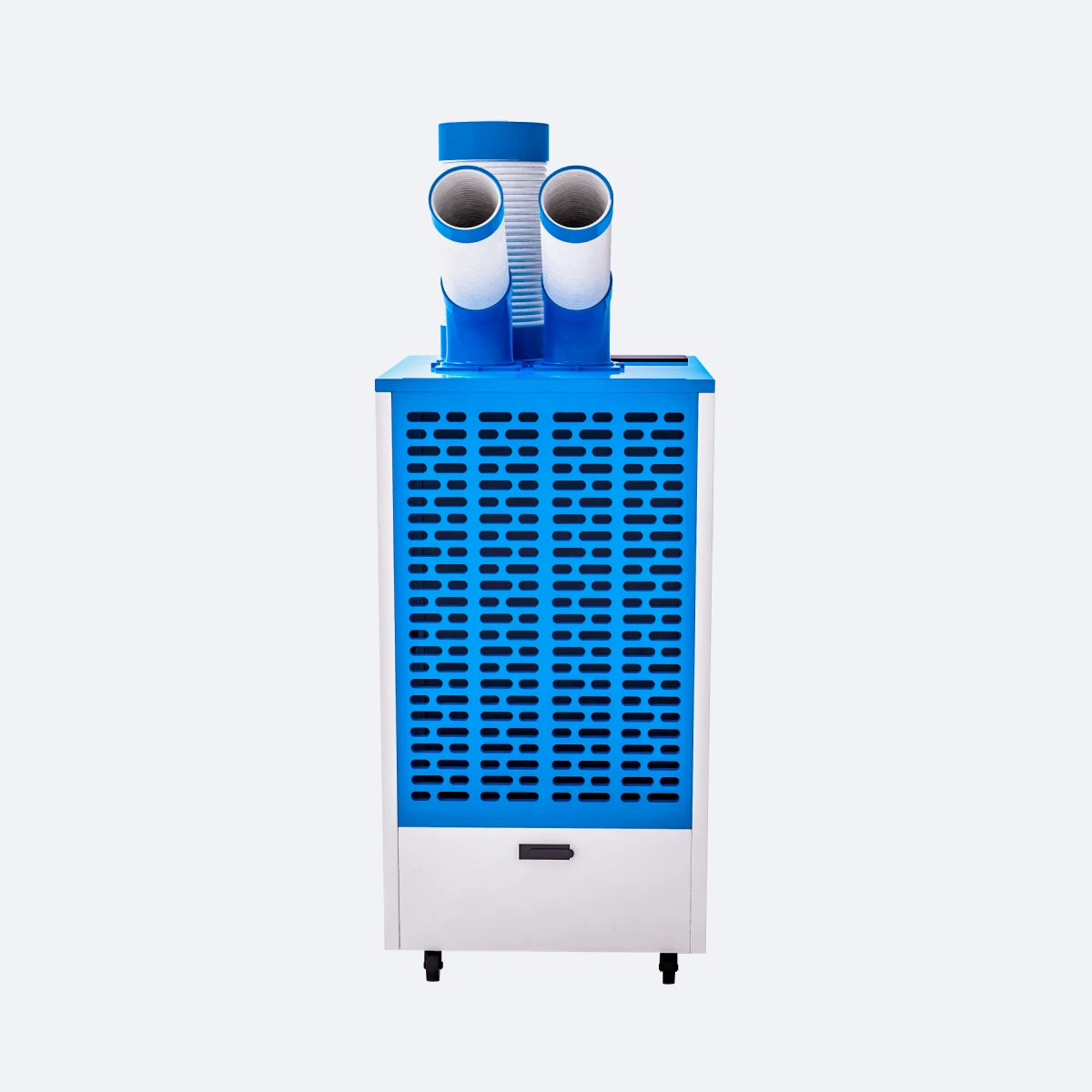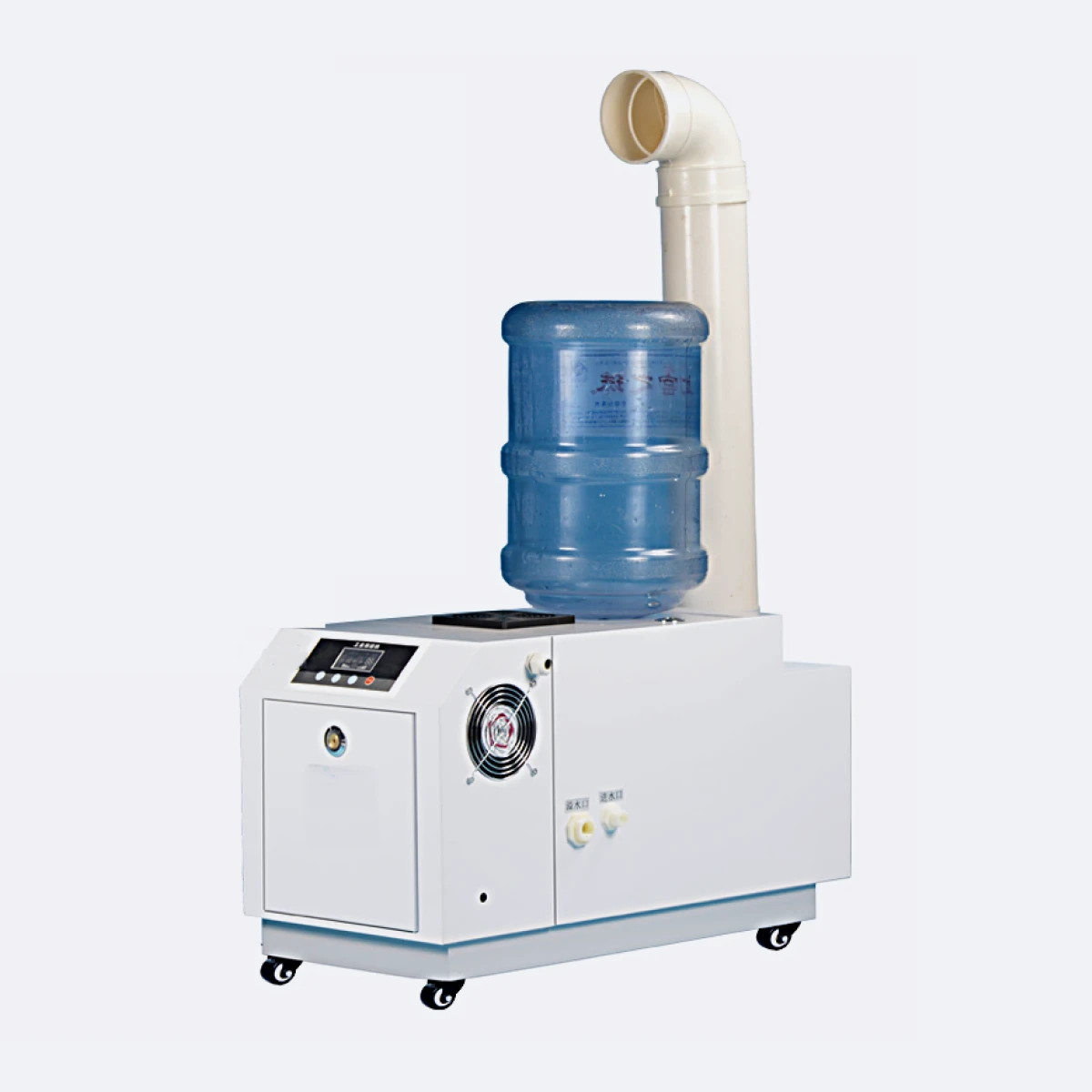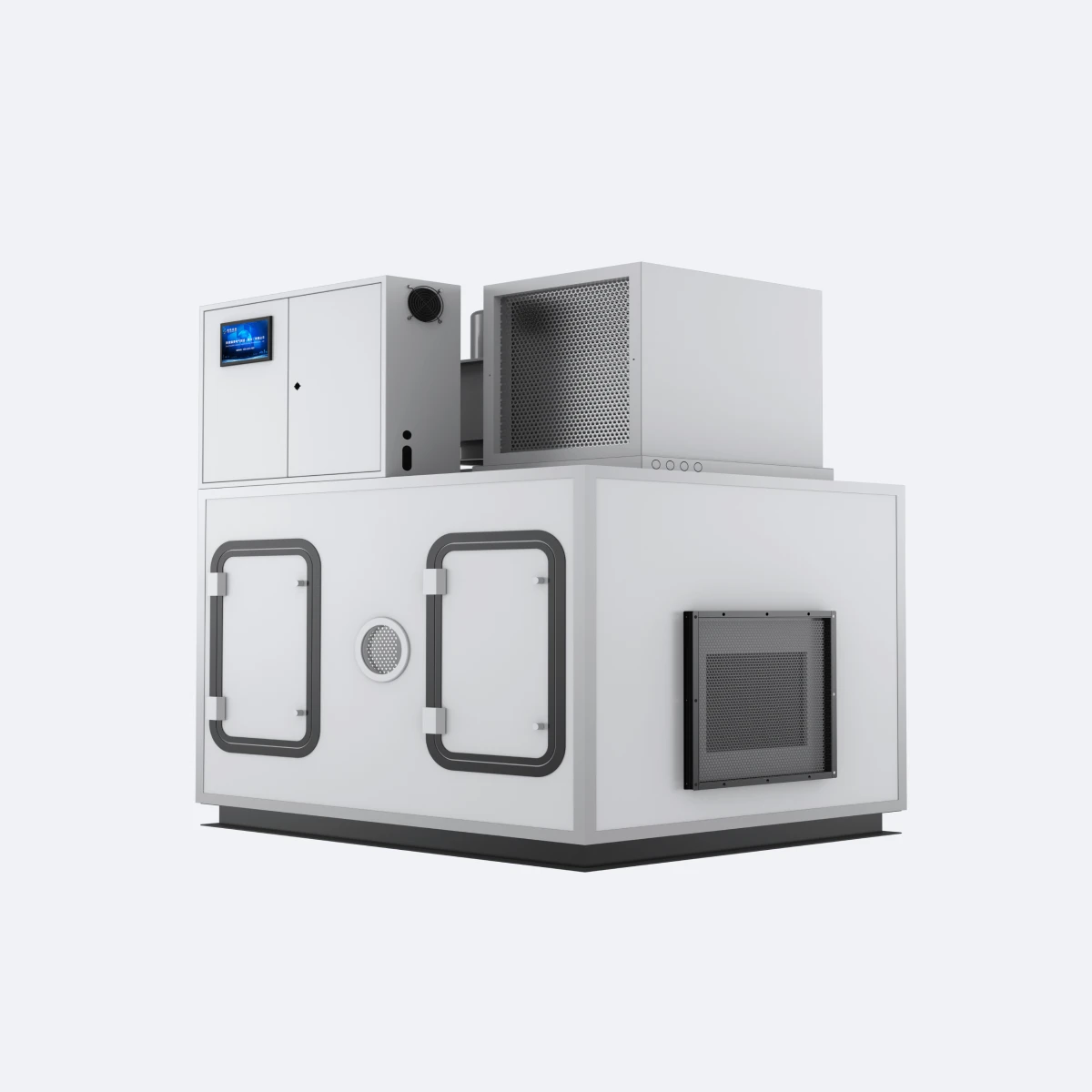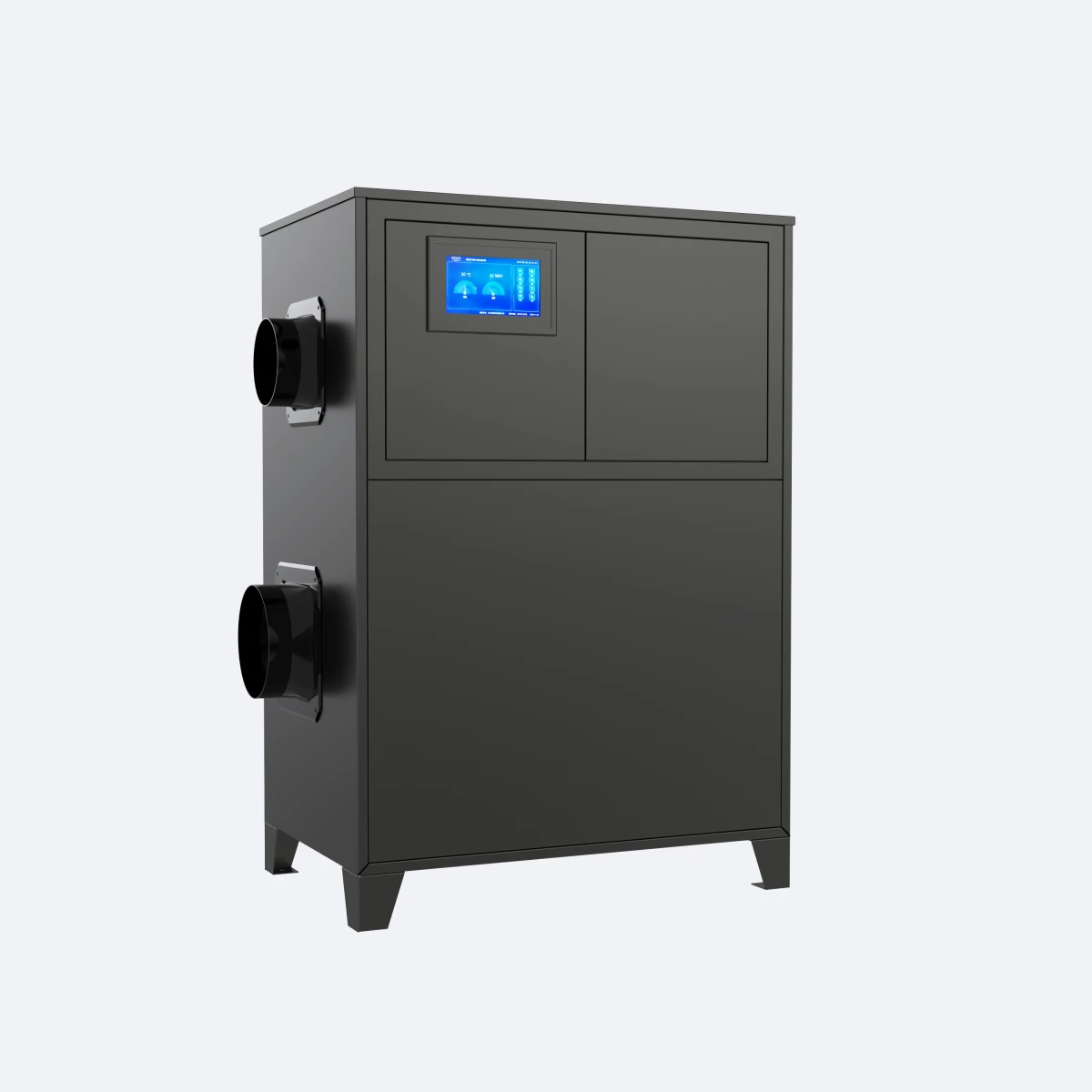
| Item | Specification |
|---|---|
| Power Supply | 220-240V/50Hz |
| Cooling Capacity | / |
| Heating Capacity | / |
| Energy Efficiency Ratio (EER) | / |
| Input Power | 800W |
| Power Input (Cooling) | / |
| Power Input (Heating) | / |
| Dehumidification Capacity | 50L/day (30℃, 80%RH) / 27L/day (27℃, 60%RH) |
| Air Circulation | 400 m³/h |
| Noise Level | ≤53dB(A) |
| Refrigerant | / |
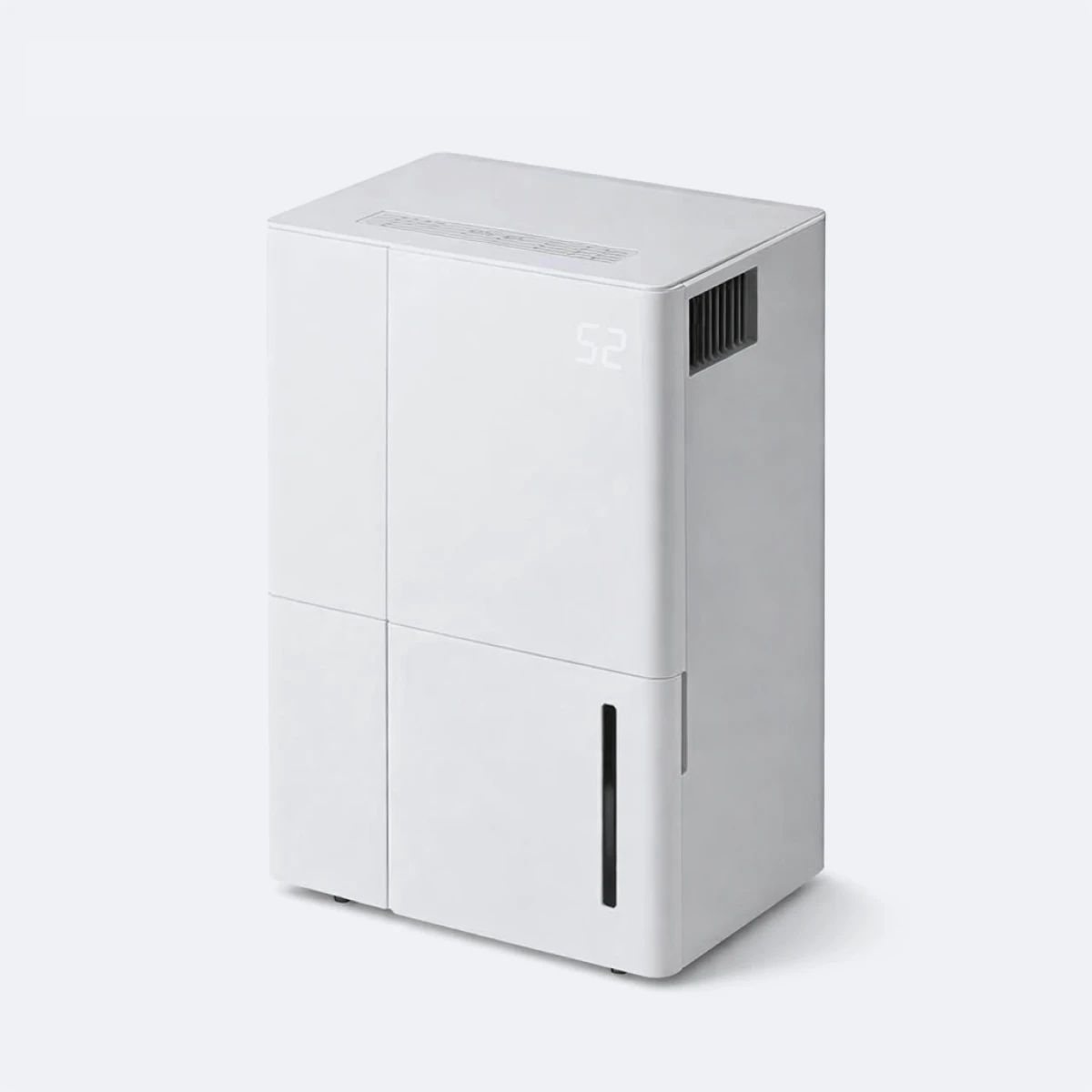
| Product Dimensions (mm) | 280×390×620mm |
| Packing Dimensions (mm) | 320×420×660mm |
| Loading Quantity (pcs) | 20 PCL/253 |
| Loading Quantity (40'FCL) | 877 |
| Loading Quantity (40'HQ) | 777 |
| Net Weight (N.W) | 18kg |
| Gross Weight (G.W) | 20kg |
| Applicable Area | 50-60 m² |
| Water Tank Capacity | 6.5L |
| Operating Temperature | 5-32℃ |
Engineered for High Thermal Loads: The Kitchen Dehumidification Unit
High-volume commercial cooking environments generate relentless, extreme moisture. The continuous operation of boiling vats, open-flame ranges, and industrial steamers introduces massive quantities of water vapor into the air, often overwhelming standard exhaust hoods. A dedicated kitchen dehumidification unit is mechanically engineered to intercept this rogue ambient steam. By aggressively processing the saturated air, these systems lower the overall vapor pressure within the culinary envelope, preventing the localized microclimate from reaching the dew point and ensuring a stable, safe working environment for the brigade.
Condensation Prevention with a Commercial Culinary Moisture Extractor
When high-temperature steam escapes the immediate cooking zone, it rapidly collides with the cold, sanitized surfaces of stainless steel prep tables, walk-in freezer doors, and tiled flooring. This phase change results in immediate condensation, creating severe workplace slipping hazards and compromising strict food safety protocols. Deploying a commercial culinary moisture extractor fundamentally disrupts this cycle. The system’s high-velocity centrifugal fans draw the humid air over hydrophilic-coated evaporator coils, extracting the water before it can settle onto sterile surfaces, thereby maintaining the strict hygienic standards required in food processing.
Protecting Equipment with an Air Dryer for Food Preparation Areas
Modern high-volume kitchens rely on complex mechanical infrastructure to maintain operational flow. An air dryer for food preparation areas is essential for protecting this expensive machinery from moisture-induced failure. Continuous ambient steam quickly permeates the housings of heavy-duty dishwashing arrays and liquid transfer stations, leading to condensation on the electrical contacts and metal casings of critical industrial pumps. By strictly controlling the ambient humidity within the culinary space, facility managers prevent micro-corrosion and ensure the reliable, long-term operation of these fluid and lubrication pumps.
Facility Integration of the Gastronomy Space Humidity Controller
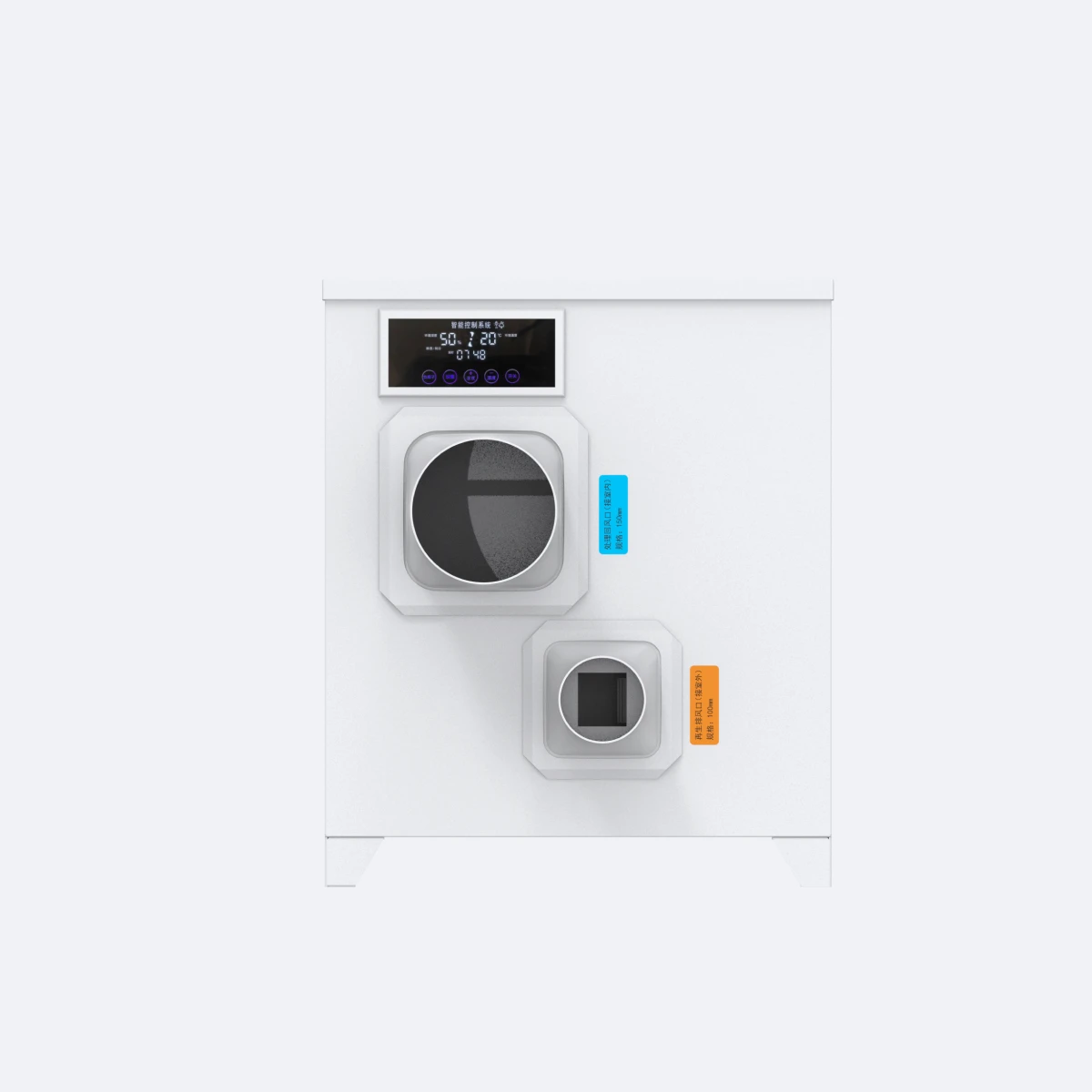
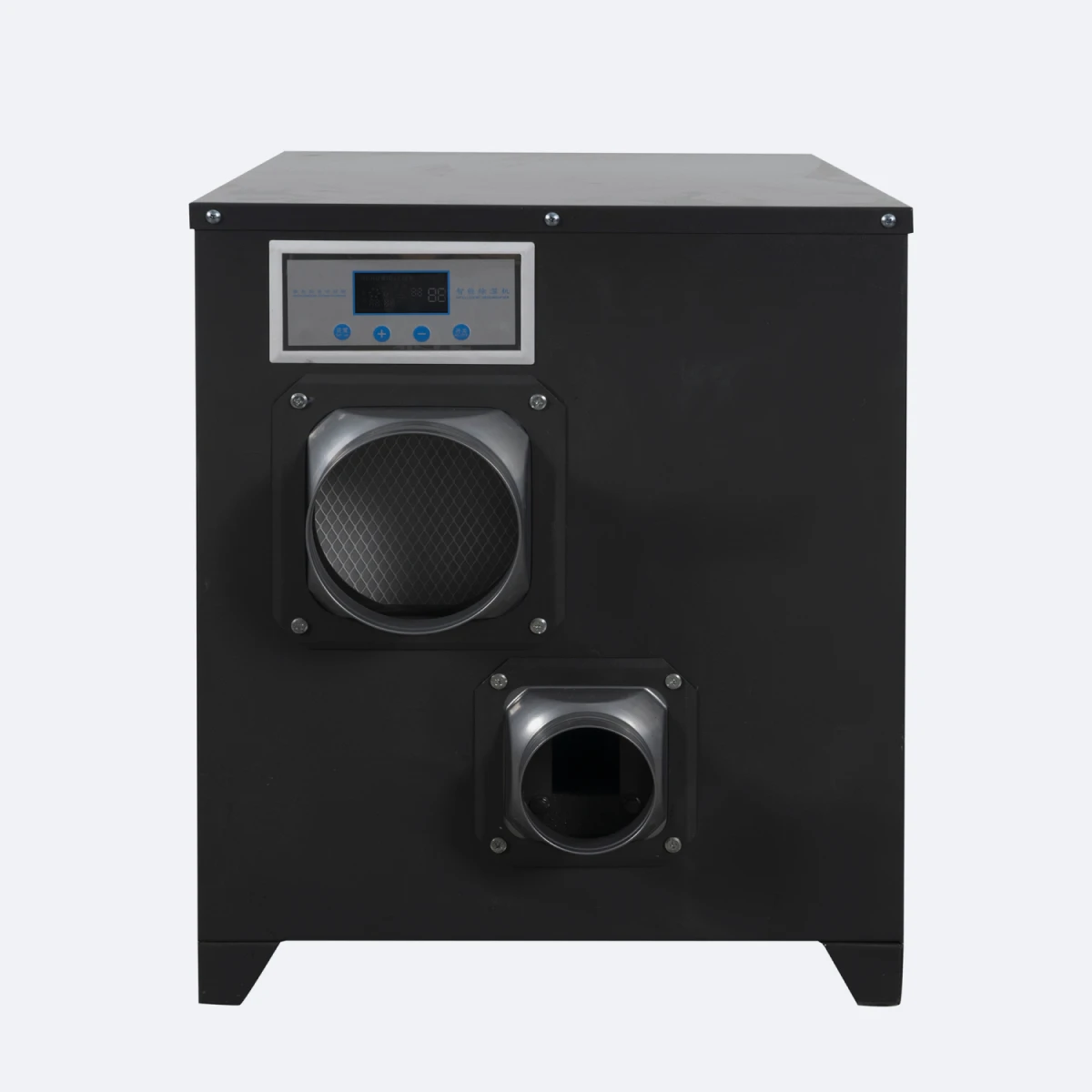
Floor space in a professional kitchen is highly optimized and exceptionally valuable. Our gastronomy space humidity controller is structurally designed to provide maximum moisture extraction without obstructing the daily workflow of the culinary staff. The external housings are constructed from heavy-gauge, food-grade stainless steel to resist corrosion and facilitate easy wipedowns. For flexible deployment, these units can be suspended securely from the ceiling, mounted on robust wall brackets, or integrated directly into the facility’s existing overhead makeup air ducting, keeping the equipment entirely clear of the active production floor.
Maintenance and Sanitation of the Cooking Environment Dehumidifier
Operating mechanical equipment in an atmosphere laden with vaporized cooking oils requires specialized filtration. We manufacture every cooking environment dehumidifier with the realities of culinary maintenance in mind. To protect the internal refrigeration coils from grease fouling, the primary air intakes are equipped with heavy-duty, washable stainless steel baffle filters, identical to those used in commercial range hoods. Furthermore, because manual water emptying is a sanitation risk in a kitchen, these units feature automated, continuous gravity drainage that can be piped directly into existing floor sinks, ensuring hands-free, continuous moisture regulation.