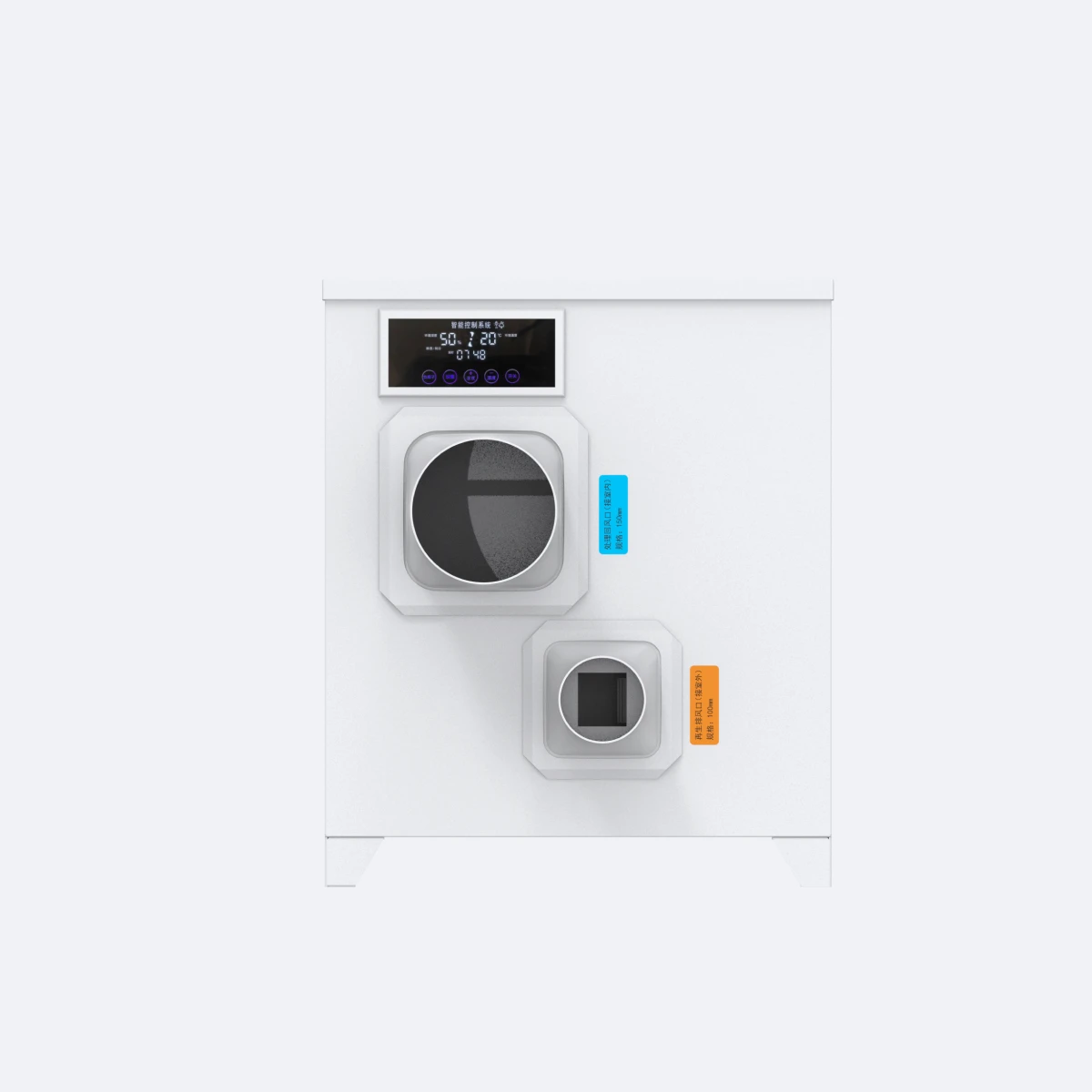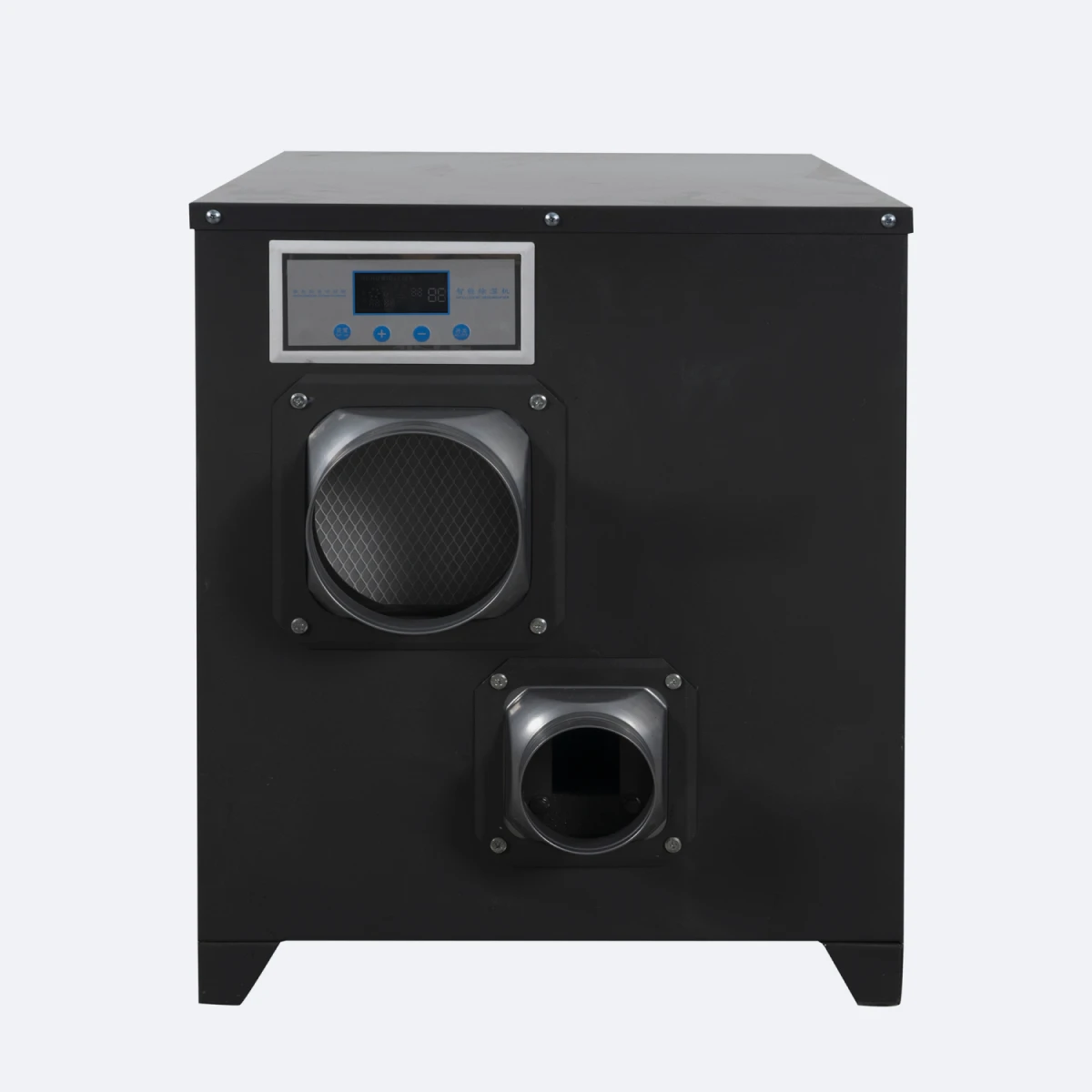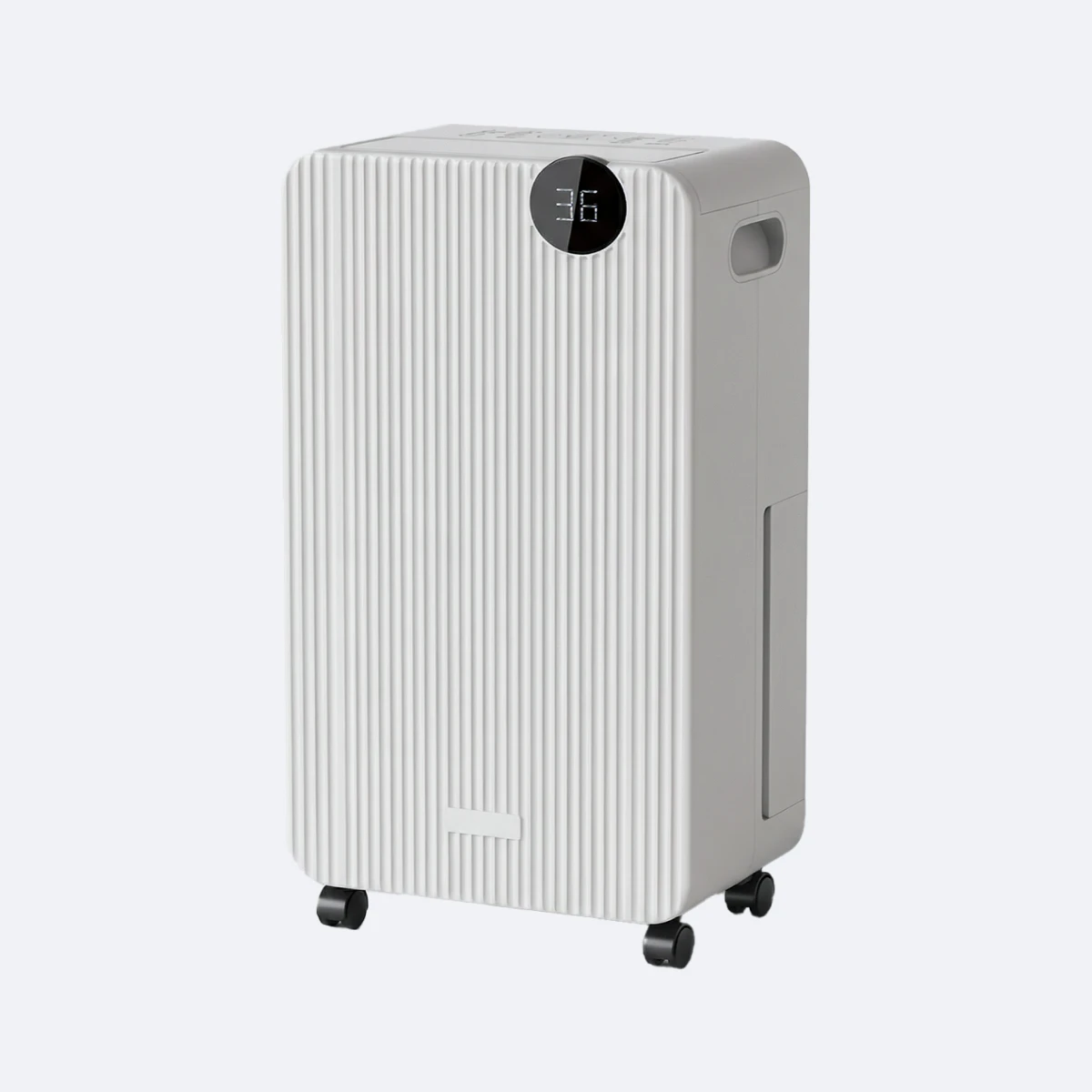
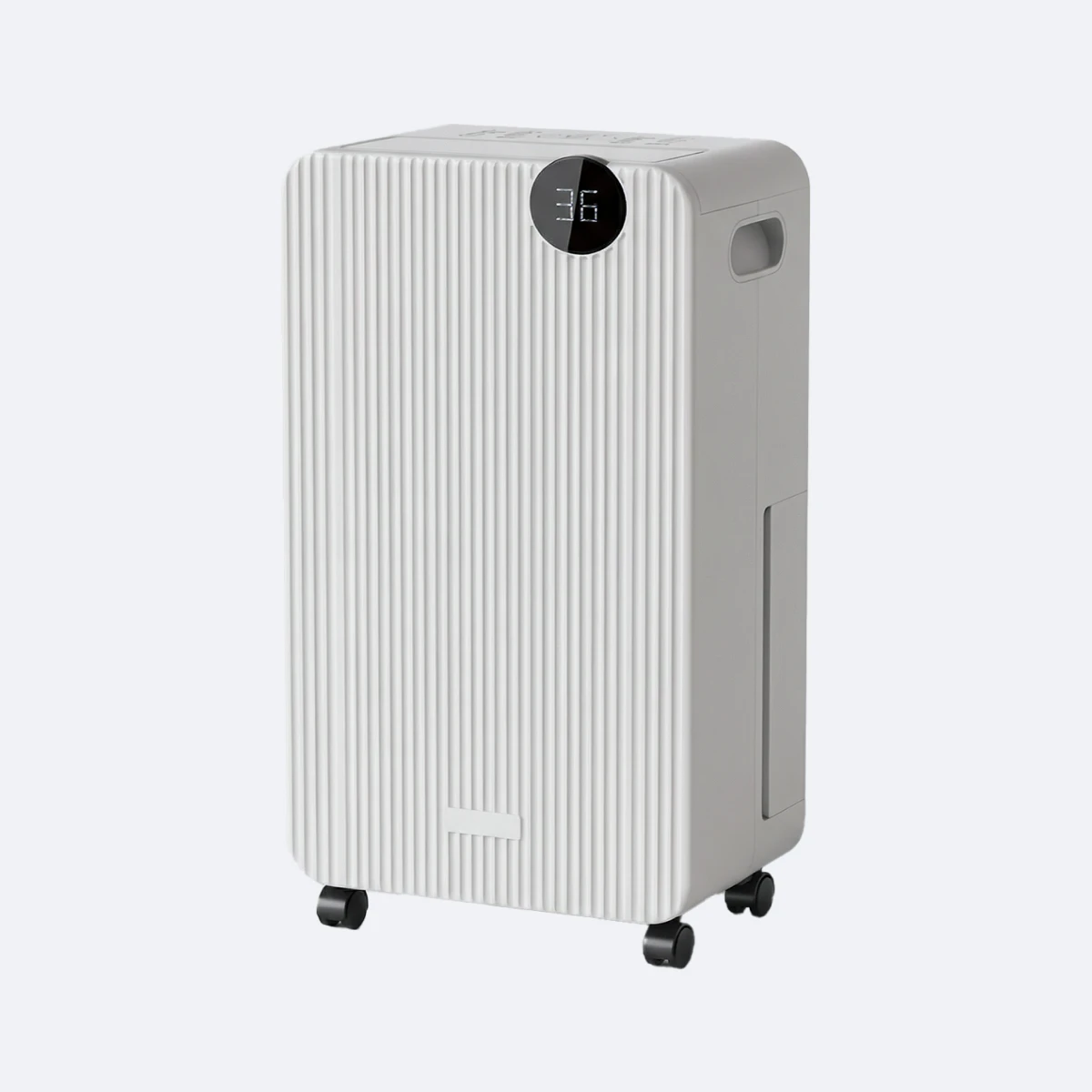
| Item | Specification |
|---|---|
| Power Supply | 220-240V/50Hz |
| Cooling Capacity | / |
| Heating Capacity | / |
| Energy Efficiency Ratio (EER) | / |
| Input Power (Cooling) | 250W |
| Input Power (Heating) | / |
| Dehumidification Capacity | 10L/day (30℃, 80%RH) / 5L/day (27℃, 60%RH) |
| Air Circulation | 100 m³/h |
| Noise Level | ≤36dB(A) |
| Refrigerant | / |
| Product Dimensions (mm) | 280×185×482mm |
| Packing Dimensions (mm) | 320×225×526mm |
| Loading Quantity (pcs) | 20 PCL/700 |
| Loading Quantity (40'FCL) | 1456 |
| Loading Quantity (40'HQ) | 1813 |
| Net Weight (N.W) | 9kg |
| Gross Weight (G.W) | 10kg |
| Applicable Area | 15-20 m² |
| Water Tank Capacity | 2.1L |
| Operating Temperature | 5-32℃ |
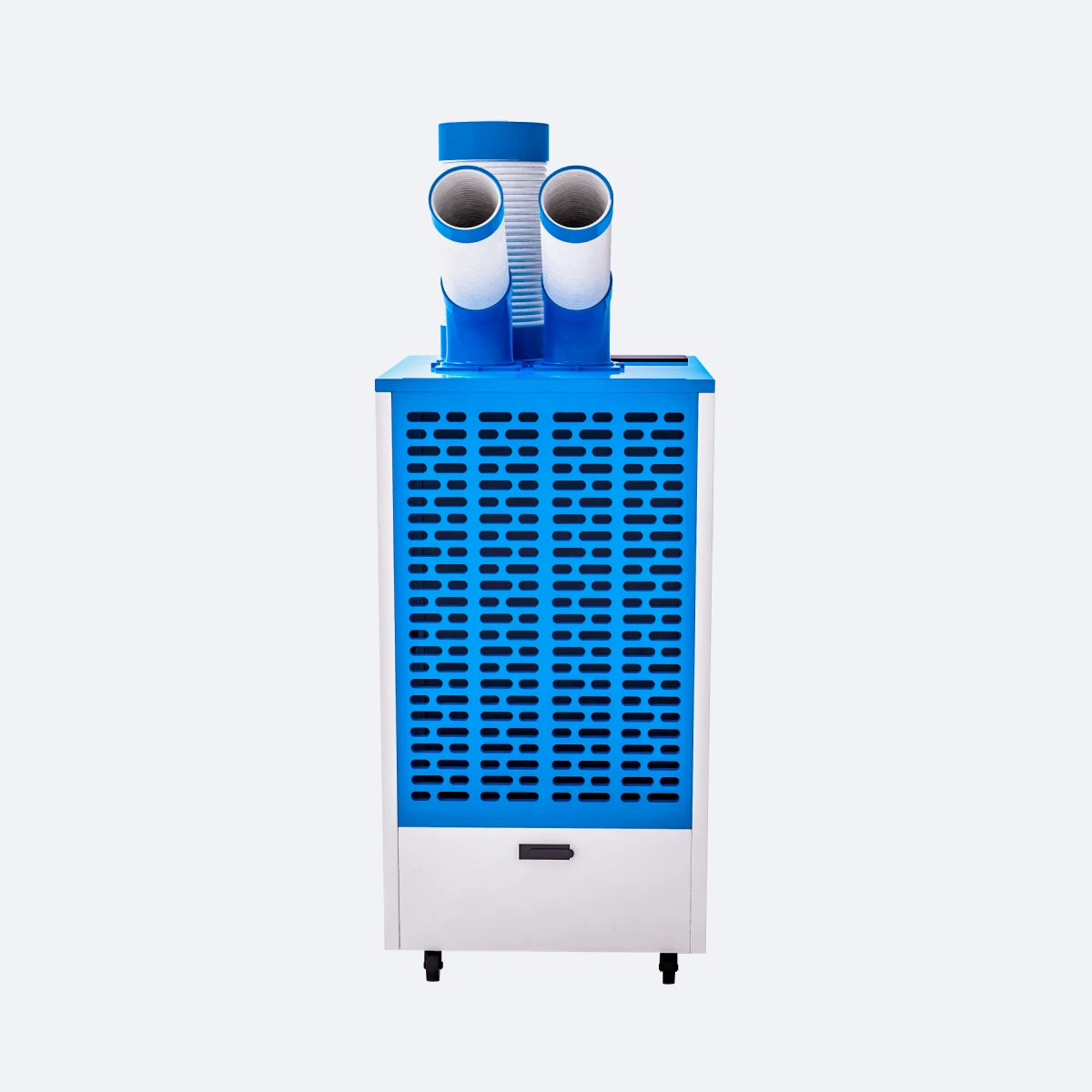
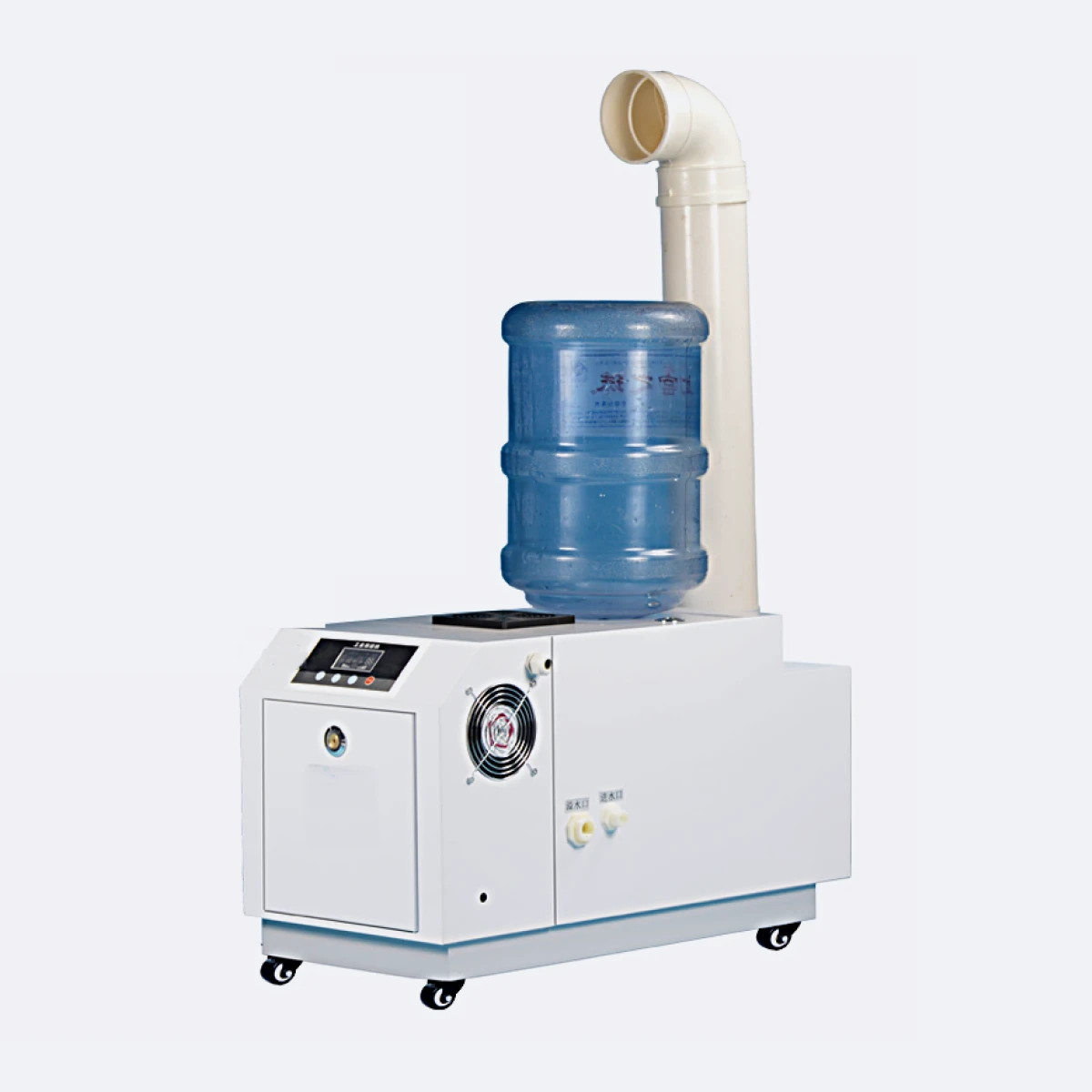
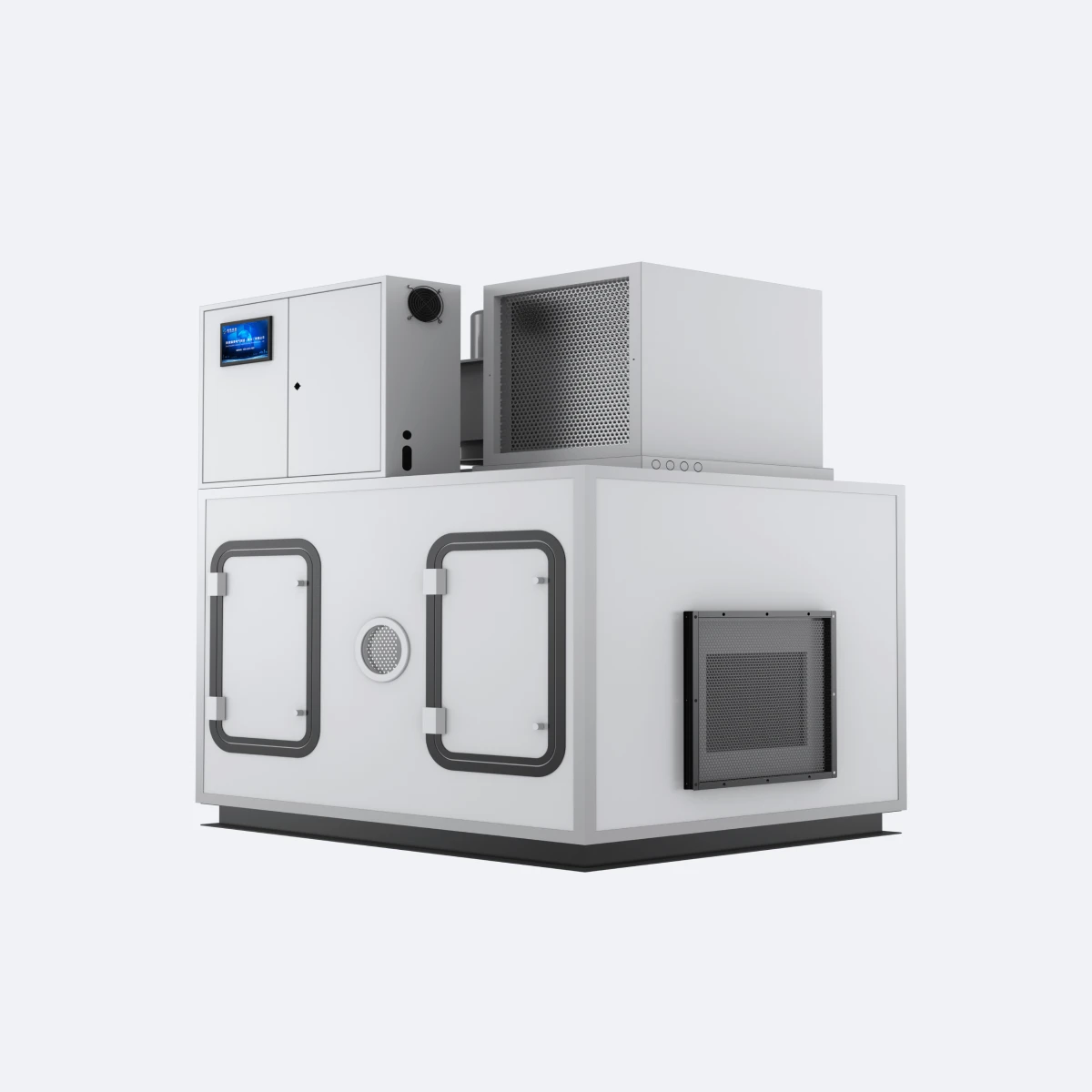
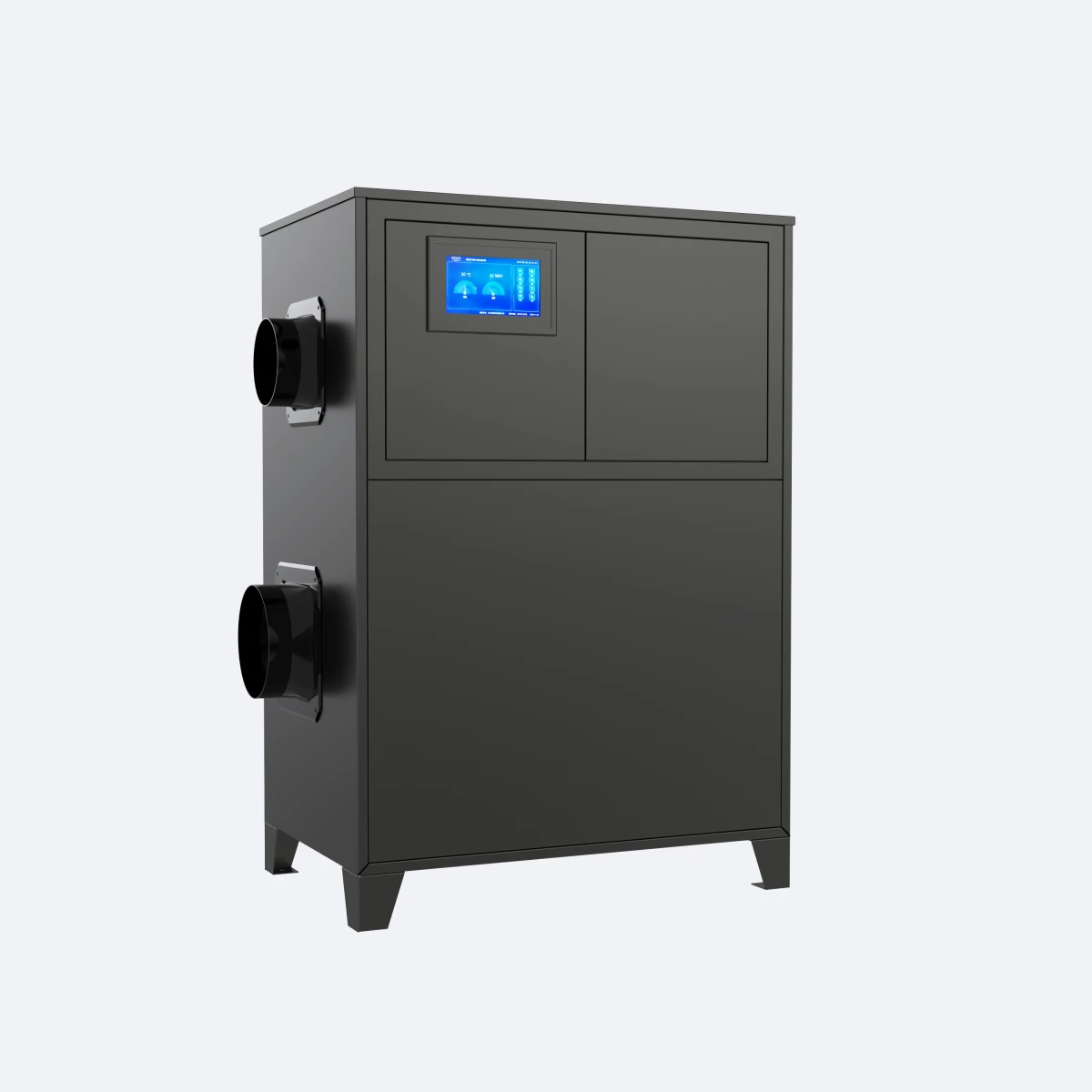
Engineered Air Circulation: The Moisture Extractor for Poorly Ventilated Spaces
Enclosed architectural spaces lacking adequate HVAC return vents frequently develop dense, uncomfortable microclimates. This sensation of a "stuffy" environment is the direct physical result of high relative humidity combined with stagnant ambient air. Our factory engineers the moisture extractor for poorly ventilated spaces to address both variables simultaneously. By utilizing high-velocity centrifugal fans, these units mechanically break up thermal layers and forcefully circulate trapped air, while the internal refrigeration cycle continuously strips the excess water vapor that causes the atmosphere to feel heavy and oppressive.
Core Mechanics of an Air Drying Unit for Stagnant Rooms
Altering the physical characteristics of a heavy indoor atmosphere requires consistent thermal exchange. The operation of an air drying unit for stagnant rooms relies on a high-efficiency rotary compressor that drives a precise condensation cycle. As the dense, humid air is drawn across hydrophilic-coated evaporator coils, it is cooled below its dew point, forcing the water to condense and drain away. The resulting dry air is then passed over the condenser coils, recovering thermal energy before being exhausted back into the room. This process lowers the overall vapor pressure and increases air buoyancy, immediately neutralizing the stuffy sensation.
Commercial Applications of a Humidity Controller for Close Environments
Retrofitted commercial buildings and enclosed corporate meeting spaces frequently suffer from inadequate natural ventilation. Deploying a humidity controller for close environments is a reliable mechanical solution to maintain a stable, productive atmosphere. Beyond human comfort, strict moisture regulation is structurally necessary to protect valuable interior assets. By driving down ambient humidity, facility managers ensure that premium office furniture, such as ergonomic seating fabrics, acoustic partitions, and engineered wood desks, does not absorb suspended moisture, warp, or develop the musty odors characteristic of damp, unregulated rooms.
Acoustic Engineering in Damp Room Moisture Removal Systems
Equipment deployed in enclosed, occupied areas must perform heavy-duty moisture extraction without generating disruptive mechanical noise. The internal architecture of our damp room moisture removal systems is specifically optimized for low-decibel operation. The compressor is secured to the chassis using heavy-duty vibration isolators, preventing operational humming from transferring to the floor. Furthermore, the air intake corridors and fan blades are aerodynamically balanced to reduce wind shear noise, allowing the unit to aggressively process room air and maintain strict environmental parameters without disturbing standard commercial operations or residential comfort.
OEM Manufacturing of Air Dehumidification Equipment for Stuffy Areas
Shishuo provides comprehensive, factory-direct manufacturing lines for appliance brands and commercial distributors requiring reliable indoor climate solutions. Every piece of air dehumidification equipment for stuffy areas is equipped with intelligent digital hygrostats, allowing end-users to set a specific target humidity and let the machine operate autonomously. To ensure low-maintenance deployment, the units are built with washable, high-density particulate filters that capture airborne dust—further improving perceived air quality—and feature continuous gravity drainage ports that completely eliminate the need for manual water tank emptying in long-term installations.