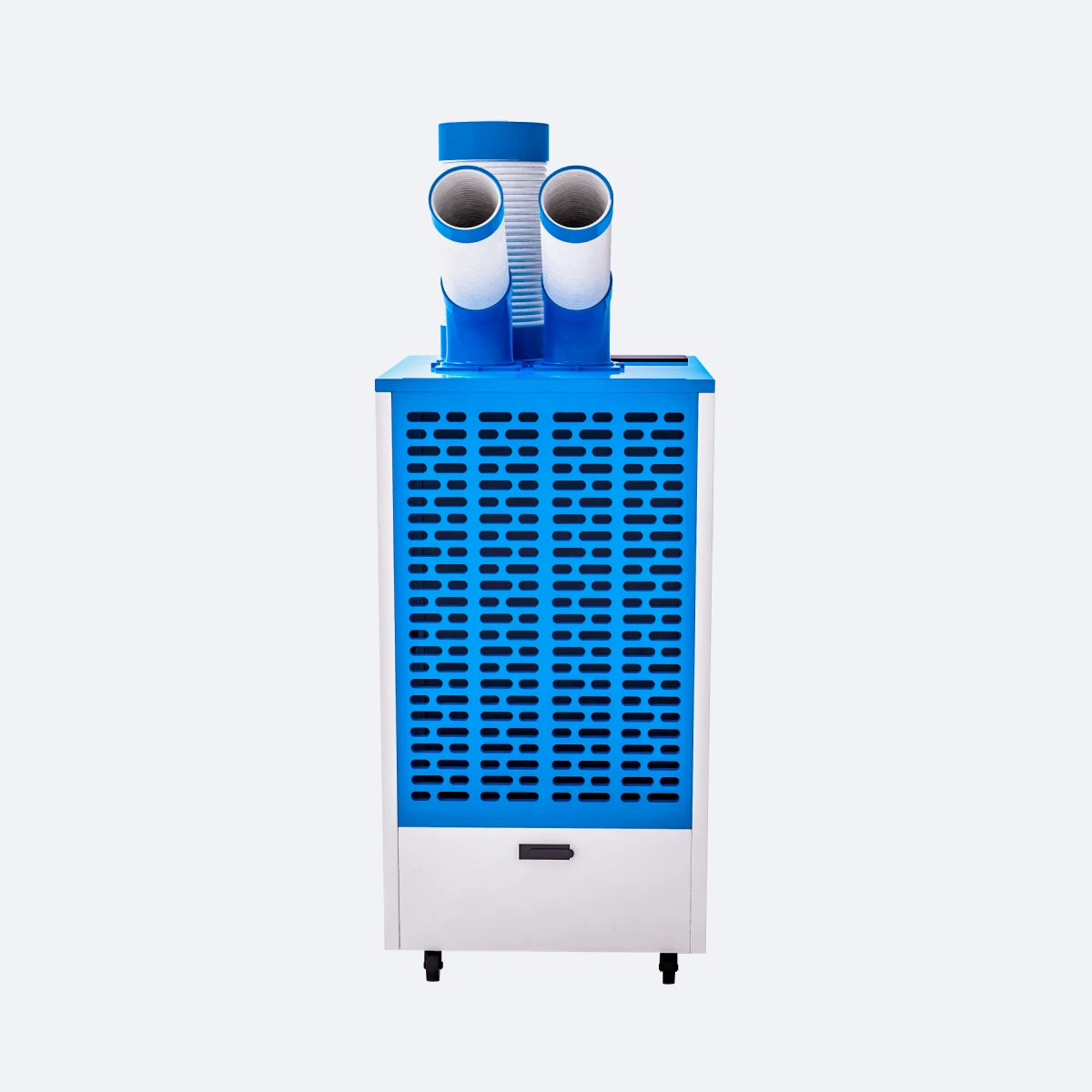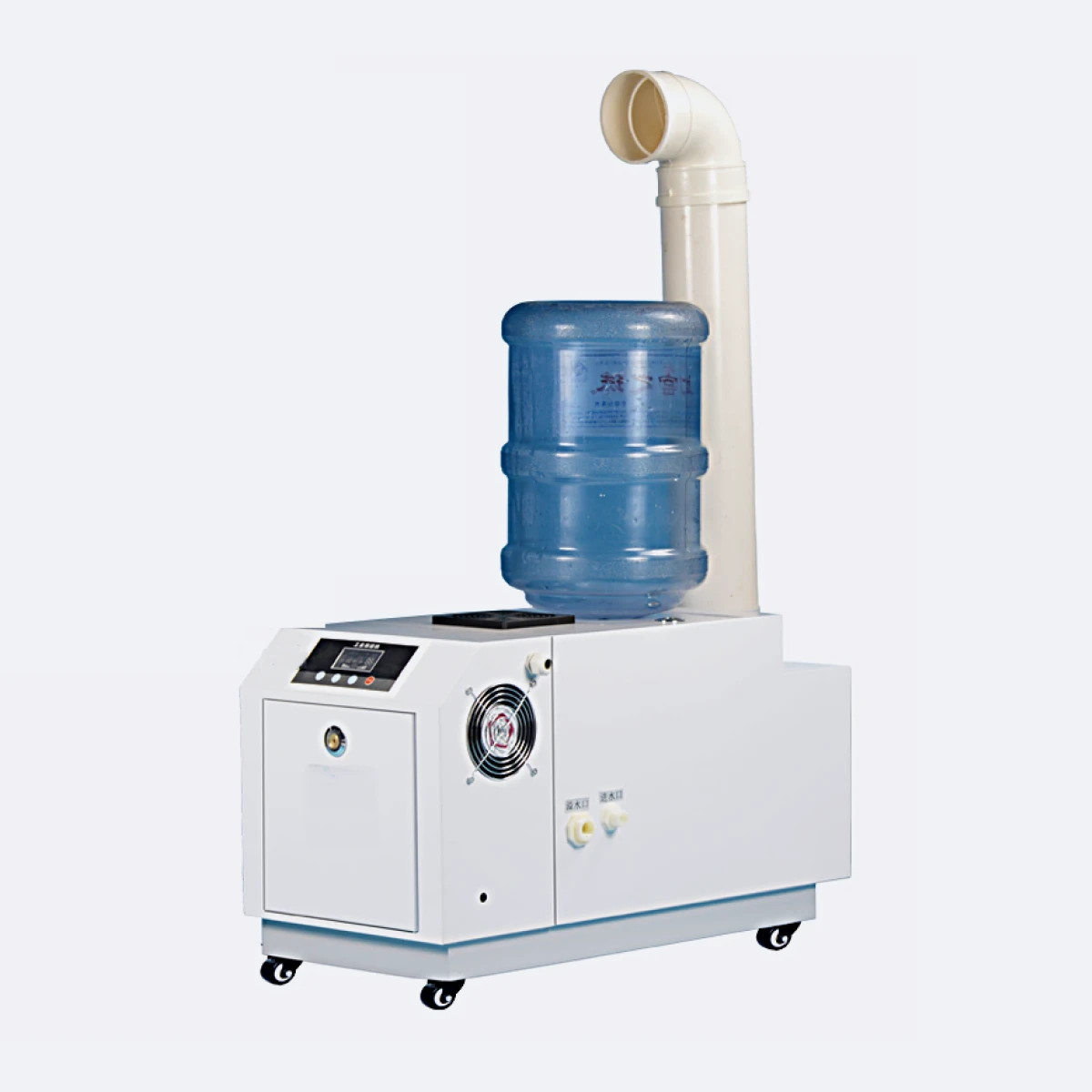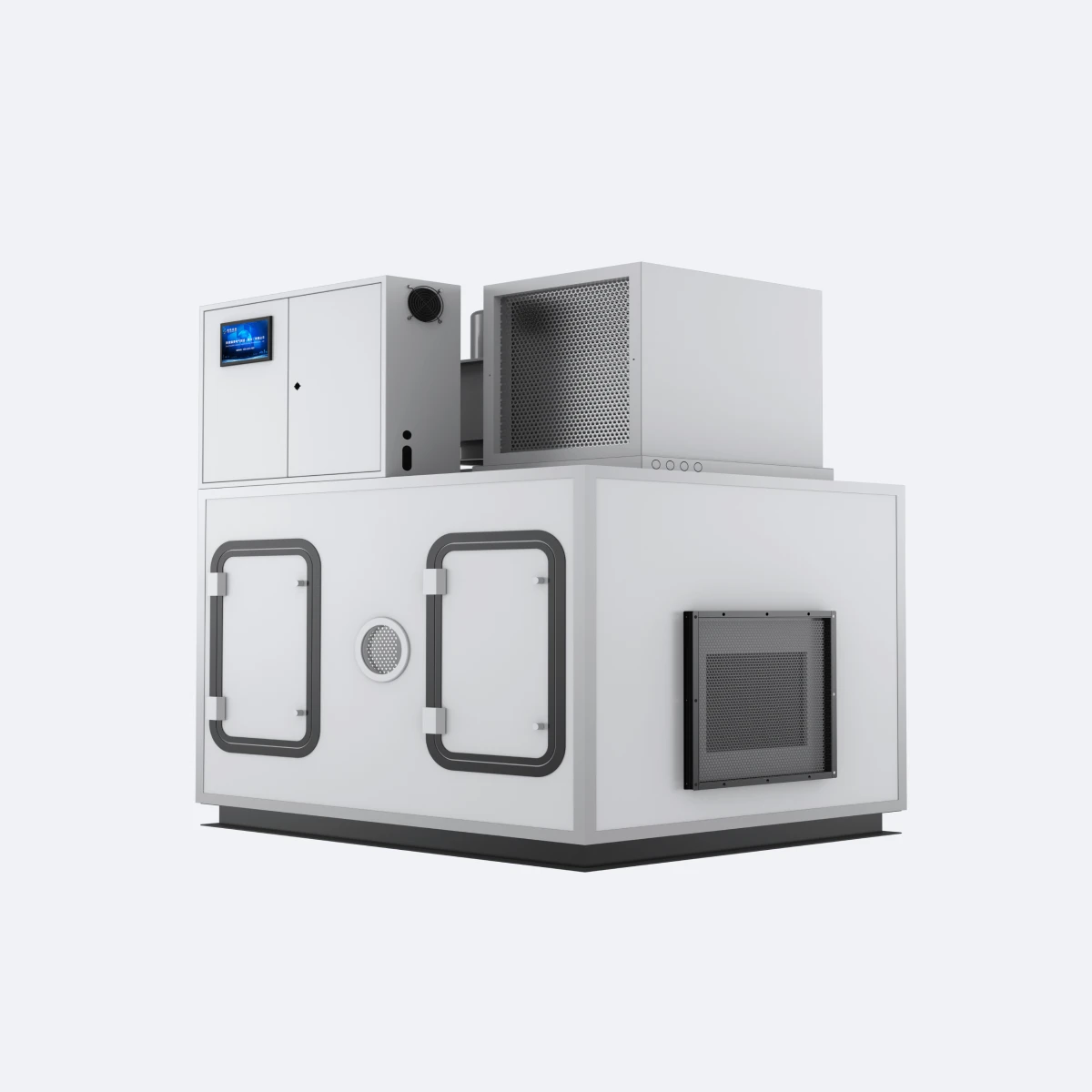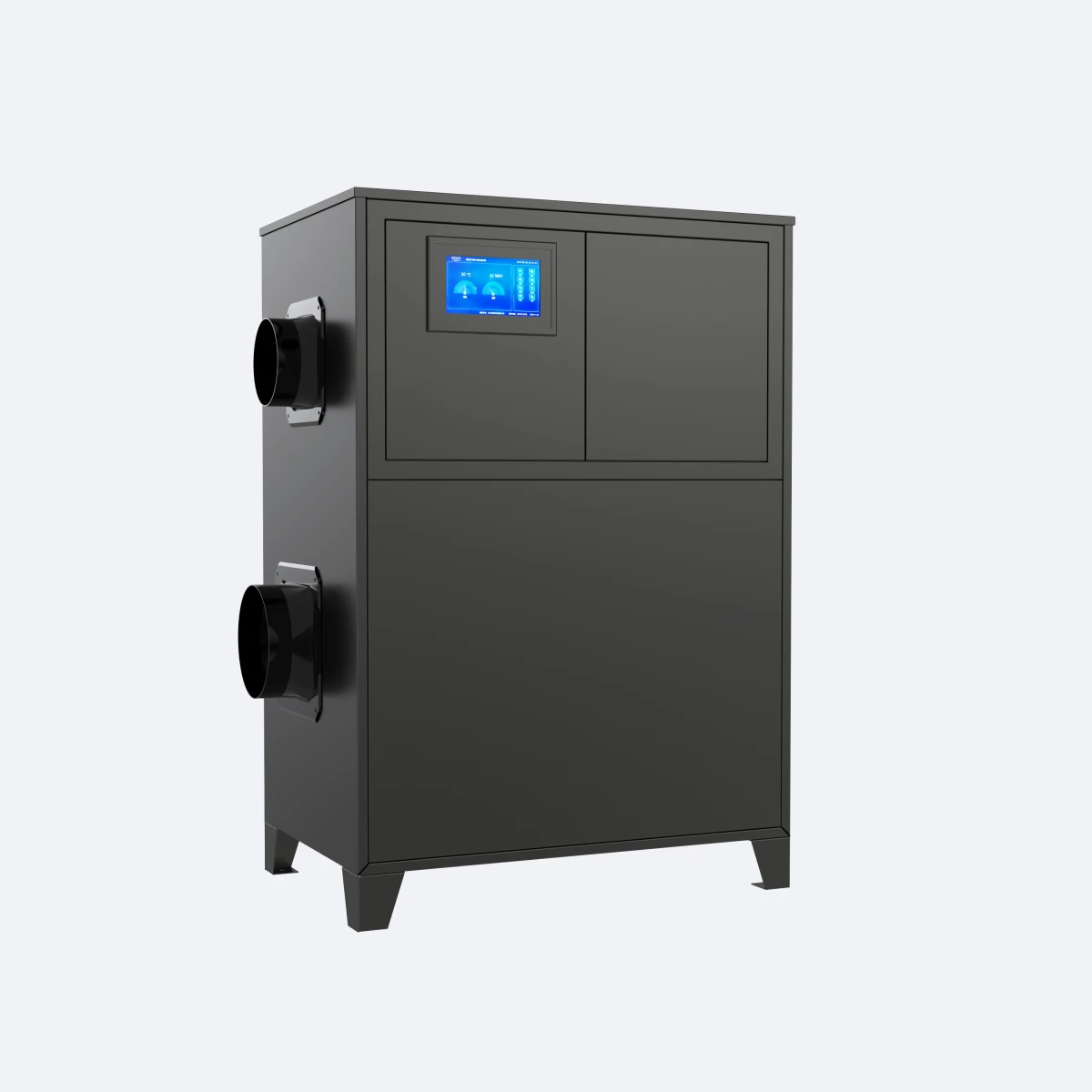
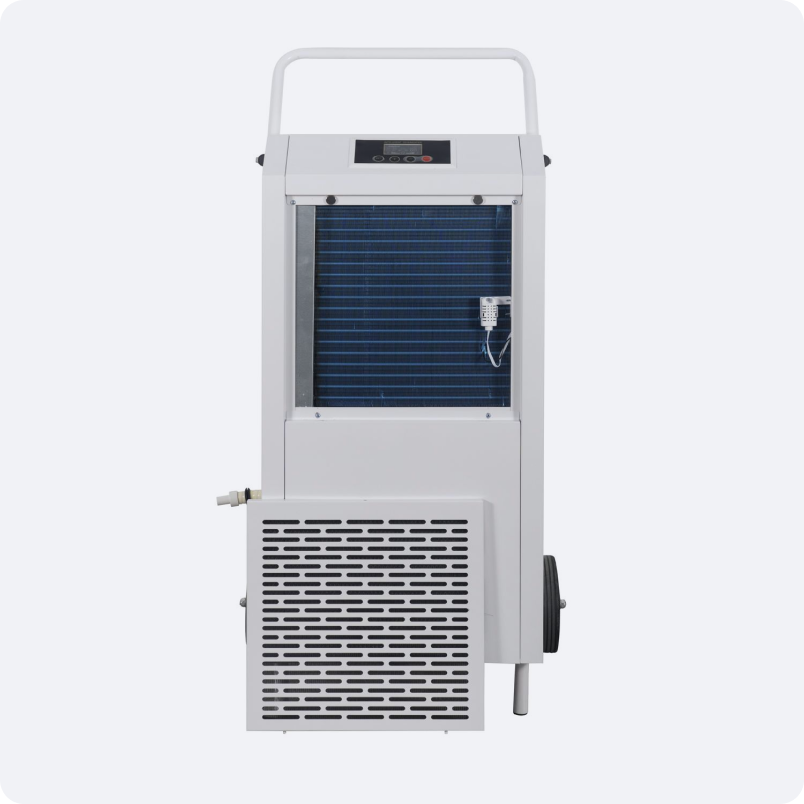
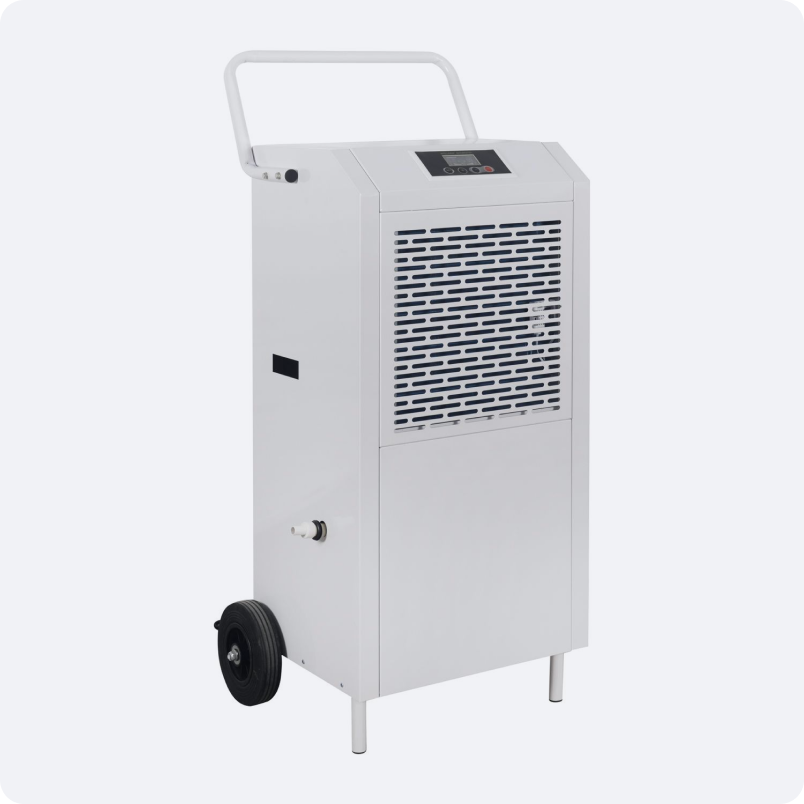
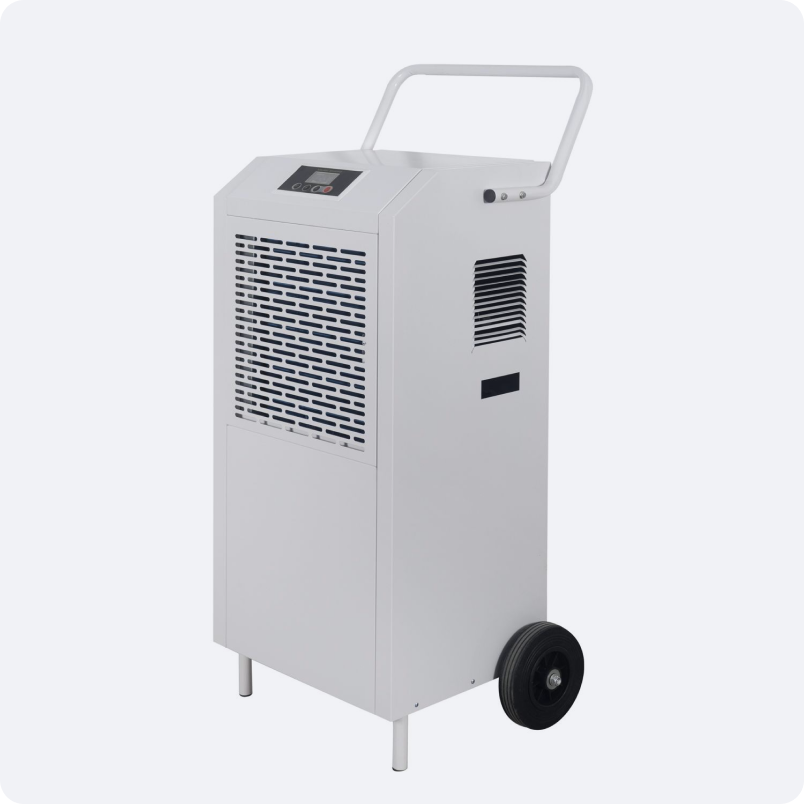
| Item | Specification |
|---|---|
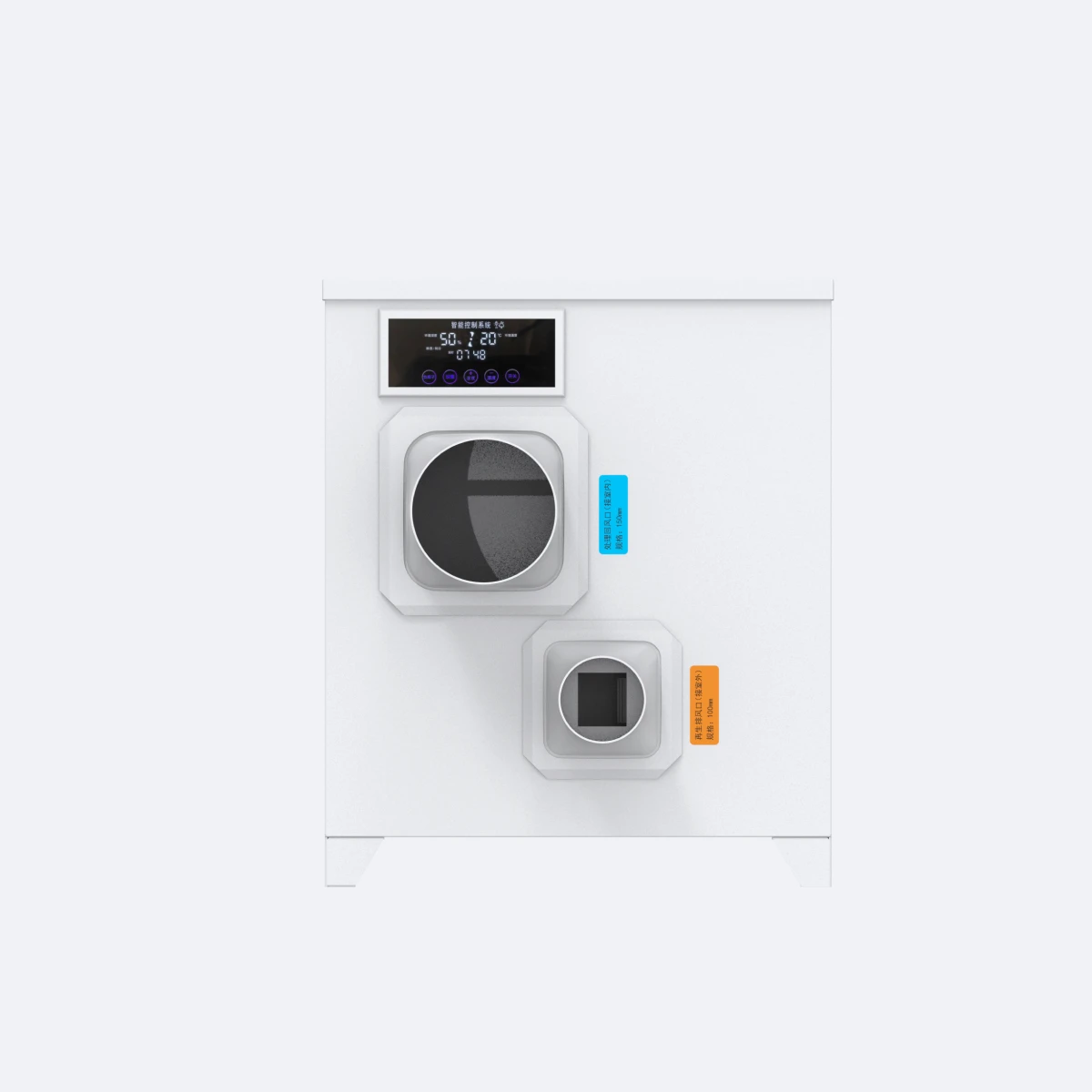
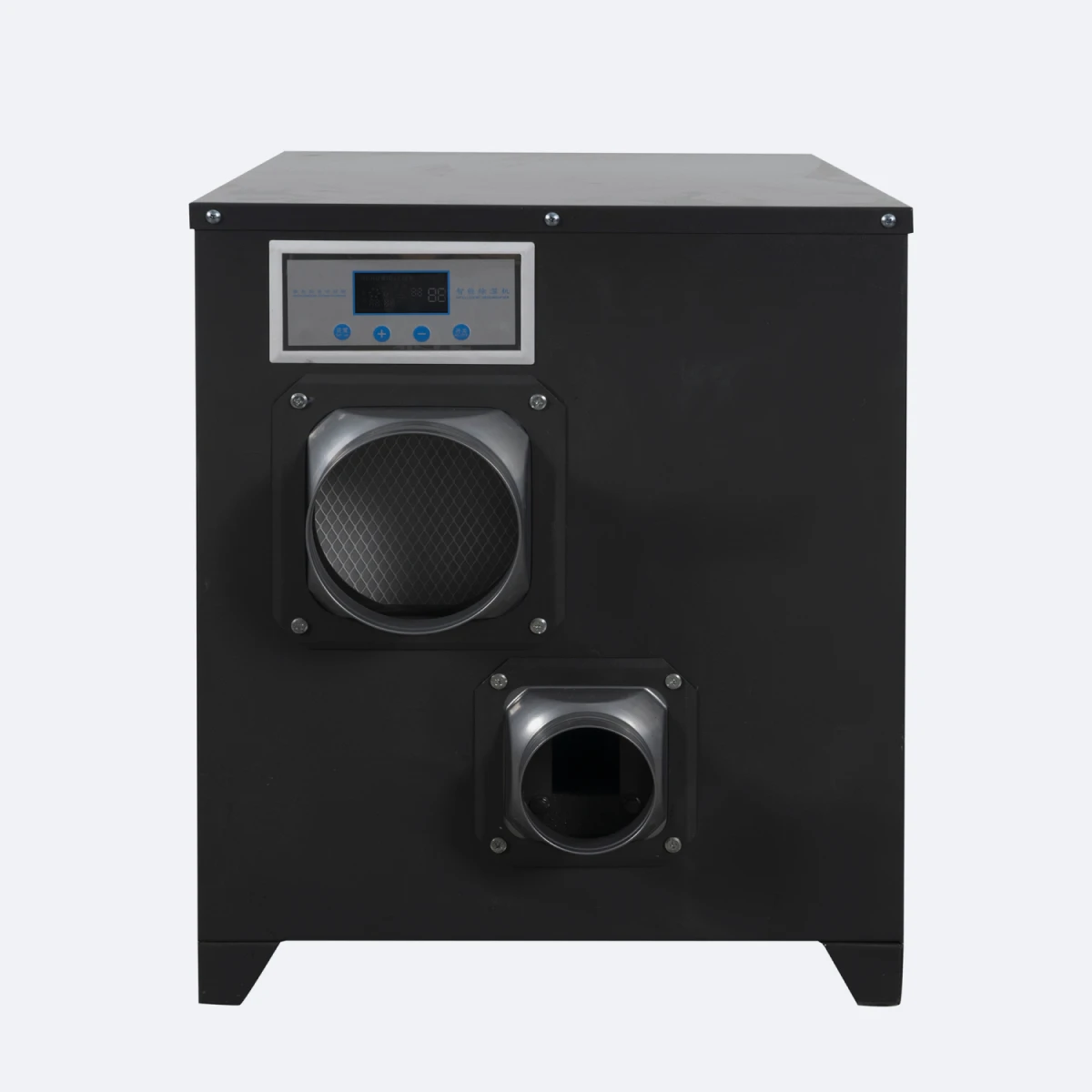
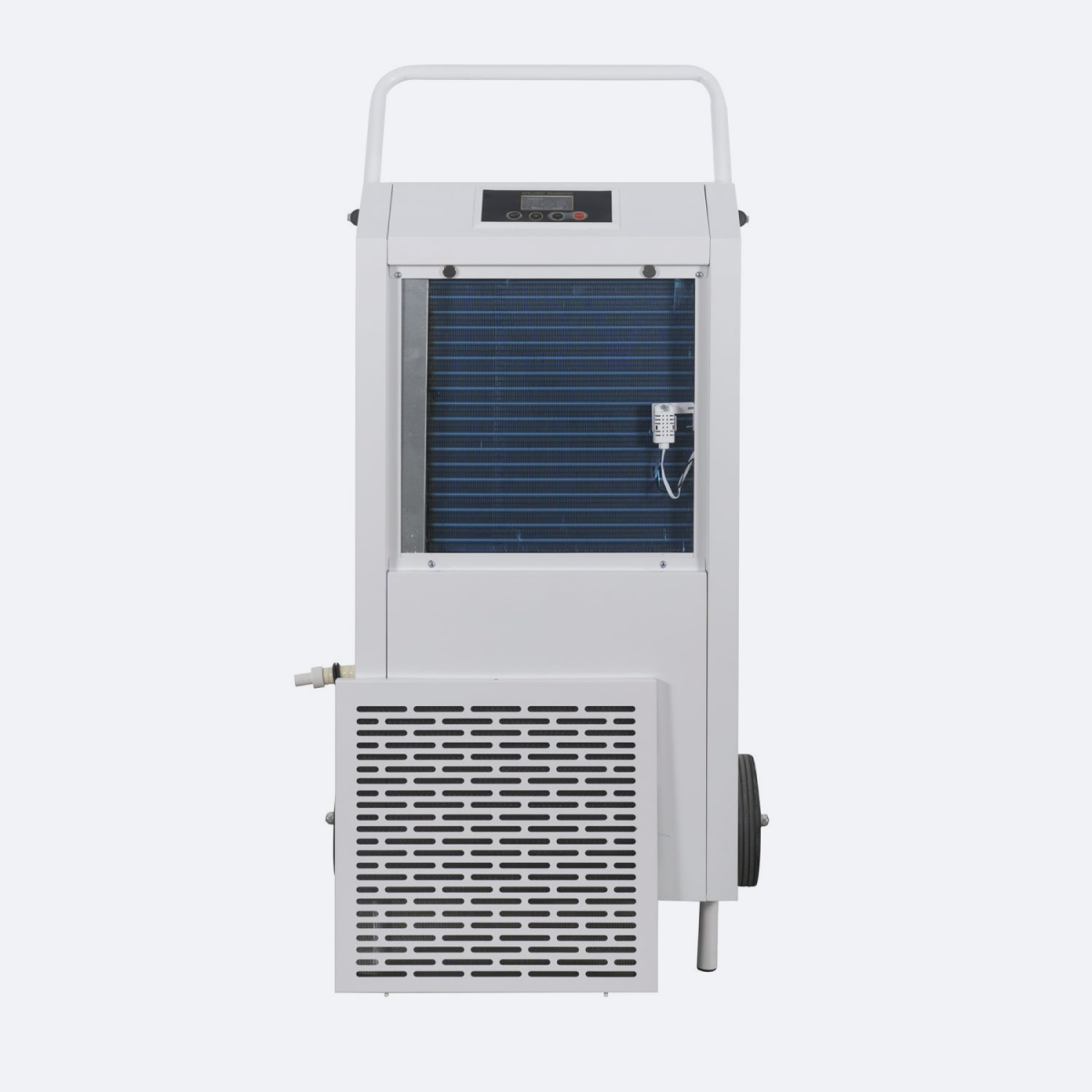
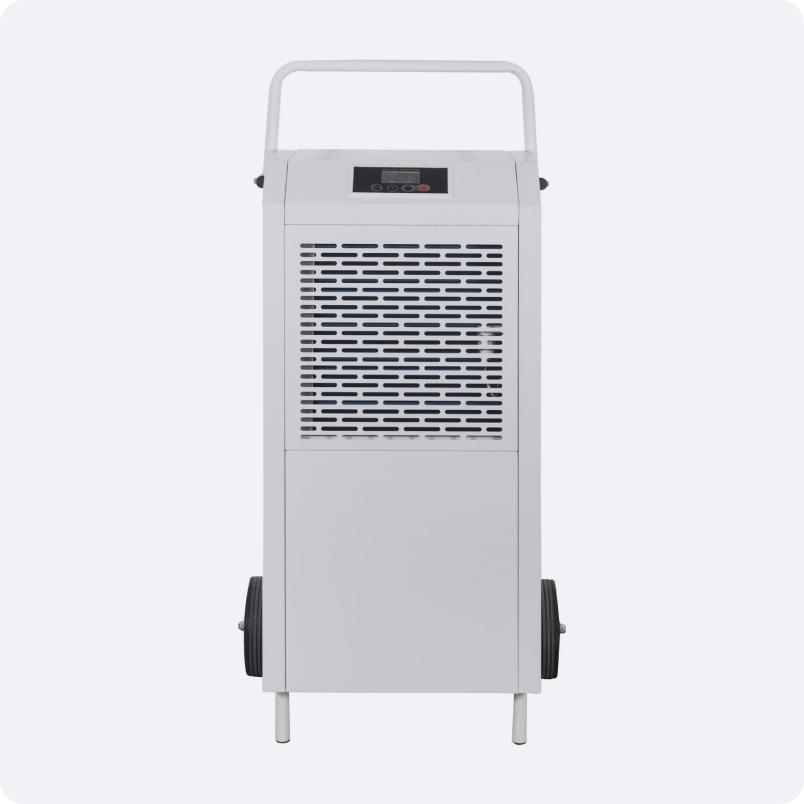
| Dehumidification Capacity (30℃, 80%RH) | 156L/D |
| Power Supply | 220V/50Hz |
| Rated Power | 1800W |
| Noise Level | ≤55dB(A) |
| Air Circulation | 1200 m³/h |
| Working Humidity Range | 30-80% |
| Applicable Area | 140-160 ㎡ |
| Working Temperature | 5-30℃ |
| Drainage Method | Water tank + hose (optional) |
| Product Dimensions (L×W×H) | 520×630×1260mm |
| Packing Dimensions (Carton) | 615×711×1330mm |
| Refrigerant | R410A/290G |
| Net Weight / Gross Weight | 49kg / 52kg |
Engineered for Extreme Transpiration: The Agricultural Dehumidification Unit
Commercial indoor agriculture generates unprecedented latent heat and moisture loads. As dense plant canopies photosynthesize and transpire, they release massive volumes of water vapor into the enclosed atmospheric envelope, rapidly driving ambient relative humidity to saturation points. An active agricultural dehumidification unit is structurally required to mechanically intercept and extract this vapor. By aggressively processing the saturated air, these high-capacity systems prevent the localized microclimate from reaching the dew point, ensuring that structural condensation does not form on the ceiling glazing and drip back onto the vulnerable crop below.
Pathogen Prevention with a Commercial Glasshouse Moisture Extractor
When high humidity is left unregulated, condensation forms directly on the plant foliage, creating the exact biological conditions required for devastating agricultural pathogens. Fungal infections such as Botrytis cinerea (bud rot) and powdery mildew thrive in damp, stagnant environments, often resulting in total crop loss. Deploying a dedicated commercial glasshouse moisture extractor acts as the primary mechanical defense against these spores. By continuously stripping excess water vapor from the facility, the machinery keeps the canopy dry and inhospitable to fungal proliferation, directly protecting the commercial yield and reducing the need for chemical fungicide applications.
Optimizing Vapor Pressure Deficit (VPD) via an Indoor Farming Humidity Control System
Advanced agricultural facilities do not merely extract water; they precisely target Vapor Pressure Deficit (VPD) to maximize plant metabolism. VPD measures the difference between the amount of moisture in the air and how much moisture the air can hold when saturated. An intelligent indoor farming humidity control system is critical for maintaining this exact atmospheric pressure. By holding the relative humidity at the exact parameter required for the specific growth stage, the equipment ensures that plant stomata remain open, driving optimal root transpiration and maximizing the continuous uptake of water and essential nutrients.
Facility Integration of the Plant Nursery Air Dryer
Floor space in a commercial growing facility is exclusively reserved for revenue-generating canopy space. Therefore, heavy mechanical infrastructure must be deployed strategically. Our factory engineers the plant nursery air dryer for versatile, off-the-floor installation. The heavy-gauge steel chassis is equipped with reinforced mounting brackets, allowing the machinery to be securely suspended directly from the overhead truss system. Paired with high-CFM (cubic feet per minute) centrifugal fans, this elevated positioning forcefully distributes dry, conditioned air down through the dense foliage, mechanically breaking up stagnant, humid microclimates hidden deep within the plant beds.
Maintenance and Durability of Cultivation Environment Dehumidifying Equipment
Equipment operating in agricultural zones is continuously exposed to harsh airborne fertilizers, sulfur vaporizers, and heavy organic particulates. The internal architecture of our cultivation environment dehumidifying equipment is chemically fortified for this reality. The evaporator and condenser coils are treated with a specialized epoxy or hydrophilic anti-corrosive coating, preventing the rapid degradation caused by agricultural off-gassing. Routine maintenance is highly streamlined; the heavy-duty, washable pre-filters slide out effortlessly to clear captured pollen and dust, while the automated continuous gravity drainage system safely routes extracted water directly into the facility’s irrigation runoff network.