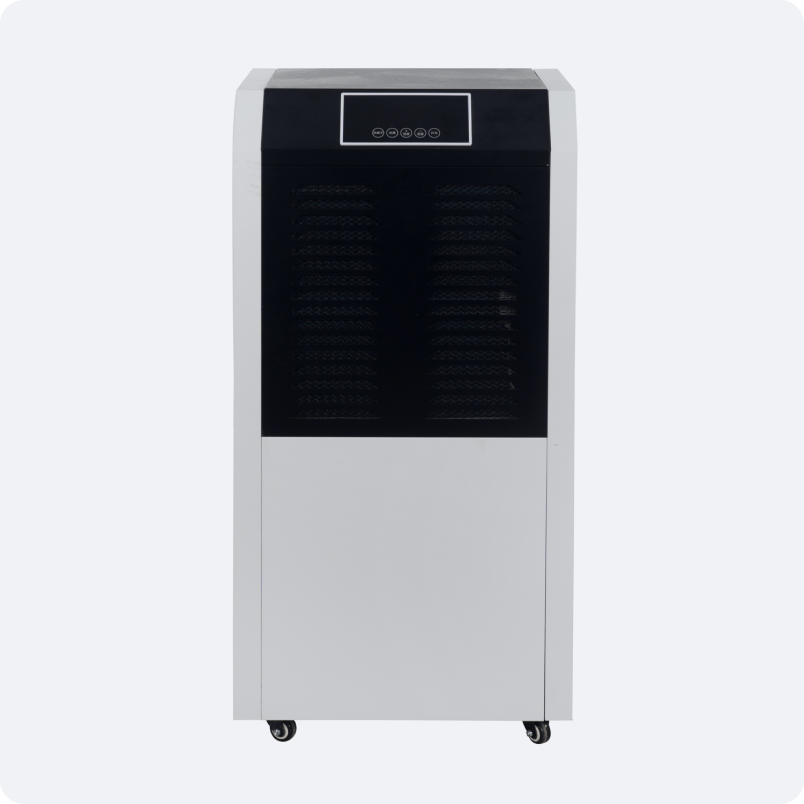
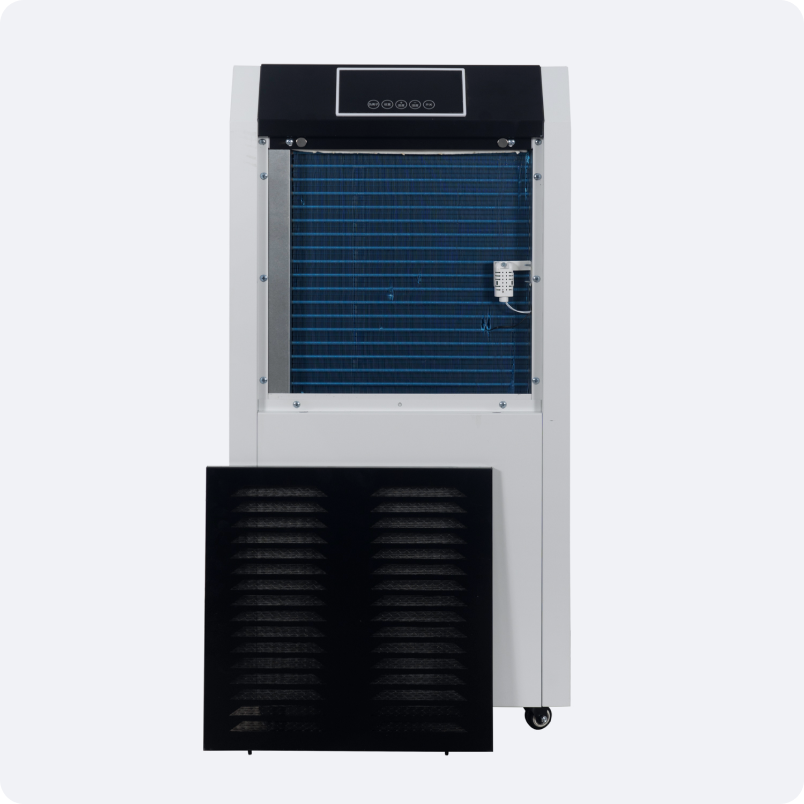
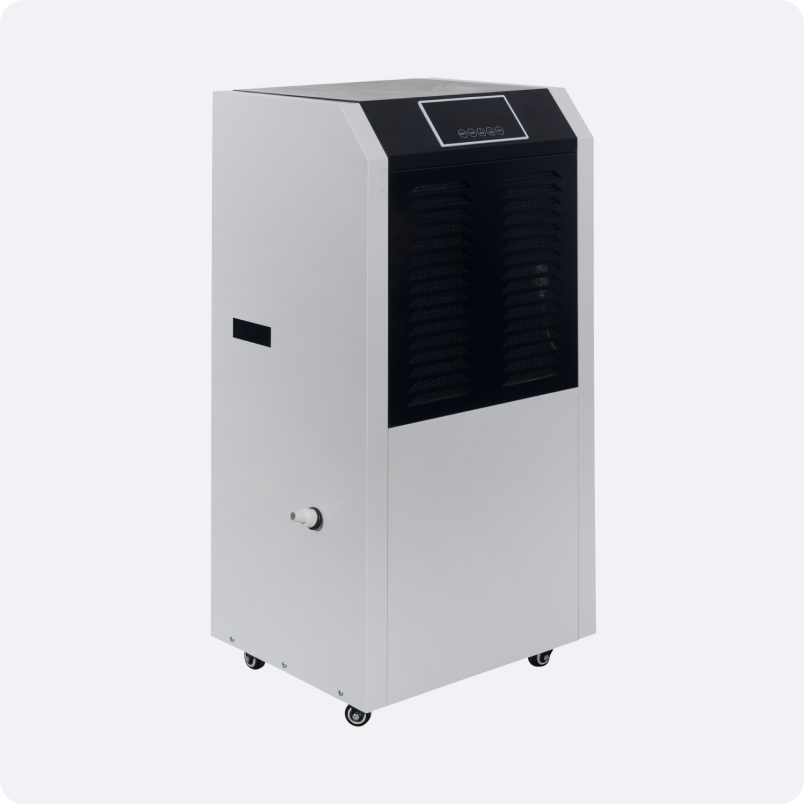
| Item | Specification |
|---|---|
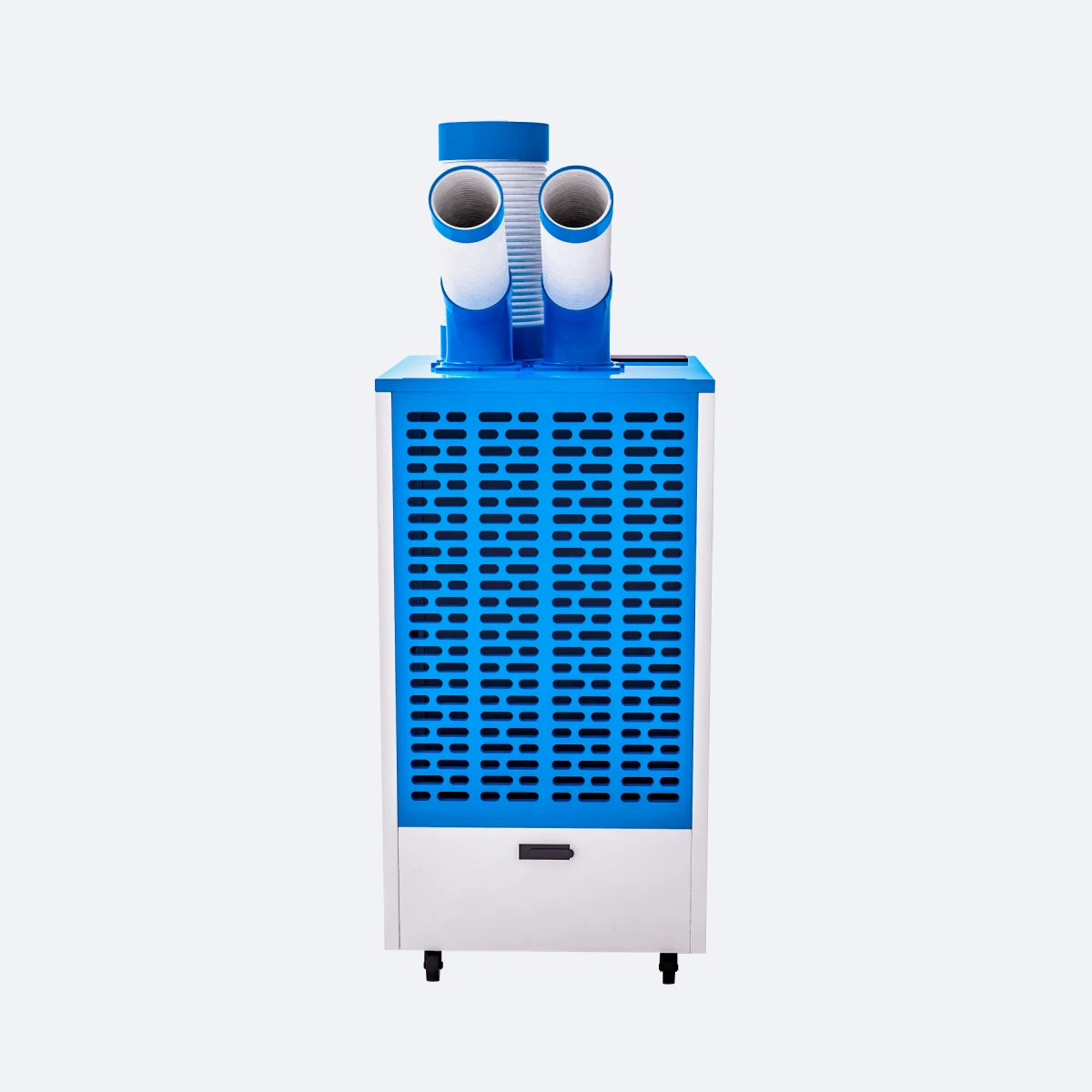
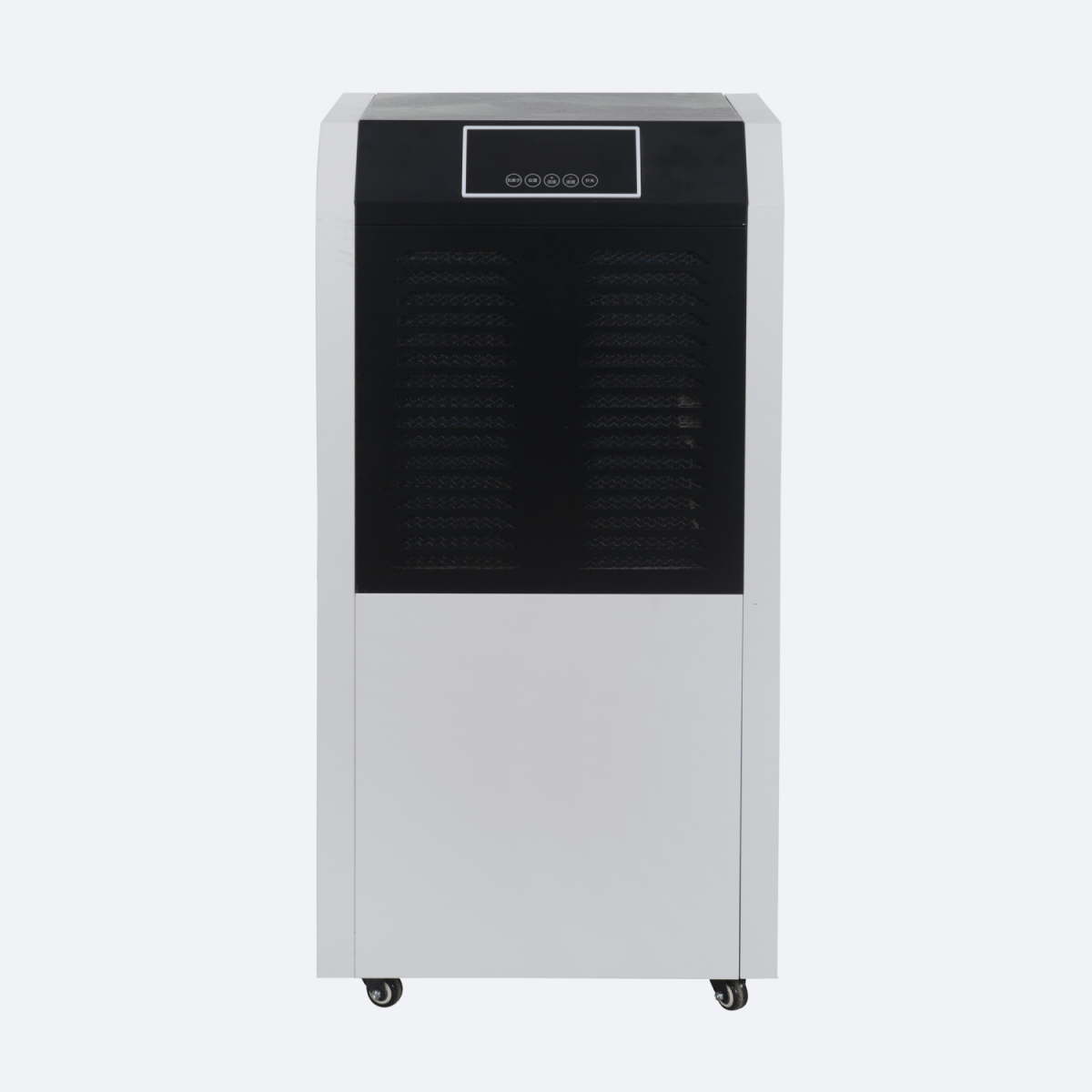
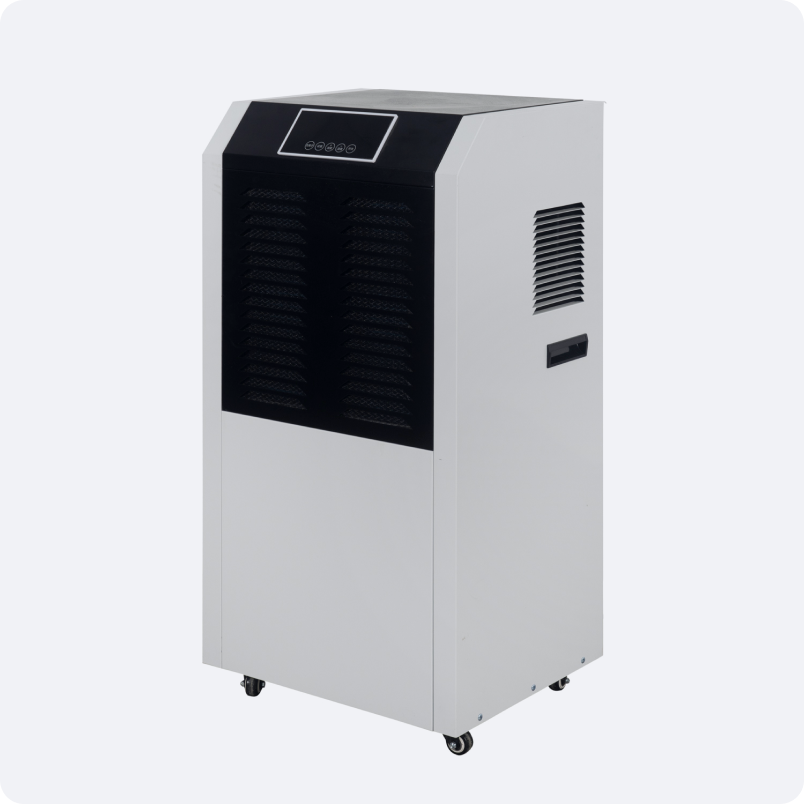
| Dehumidification Capacity (30℃, 80%RH) | 138L/D |
| Power Supply | 220V/50Hz |
| Rated Power | 1500W |
| Noise Level | ≤55dB(A) |
| Air Circulation | 1200 m³/h |
| Working Humidity Range | 30-80% |
| Applicable Area | 120-140 ㎡ |
| Working Temperature | 5-35℃ |
| Drainage Method | Water tank + water pipe (optional) |
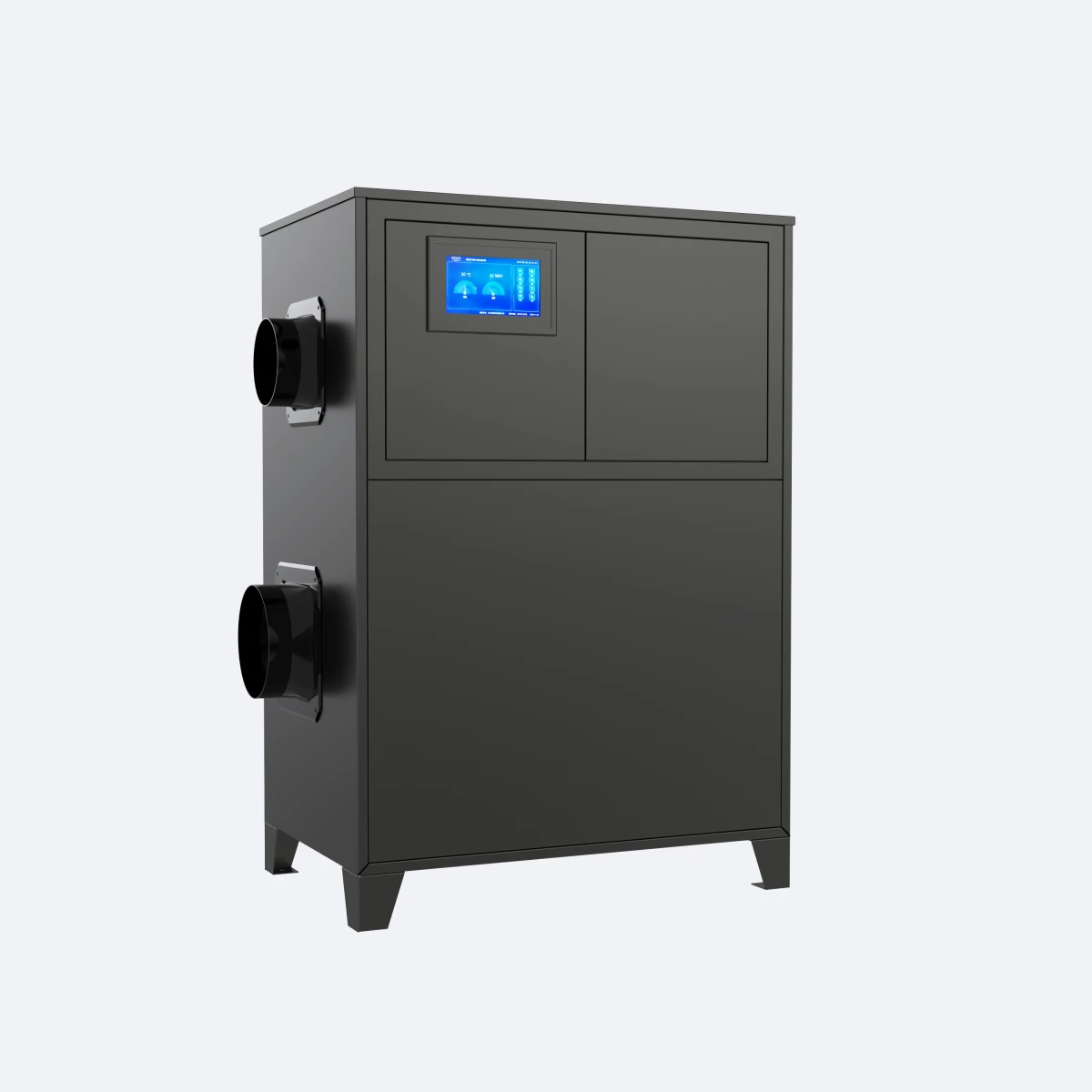
| Product Dimensions (L×W×H) | 500×400×1025mm |
| Packing Dimensions (Carton) | 61×51×1130mm |
| Refrigerant | R410/290A |
| Net Weight / Gross Weight | 48kg / 50kg |
Engineered for Extreme Evaporation: The Indoor Swimming Pool Dehumidification Unit
Heated bodies of water within enclosed architectural spaces generate continuous, massive evaporation. This relentless moisture load rapidly drives ambient relative humidity toward the saturation point, creating an oppressive microclimate. Standard commercial HVAC systems are not equipped to handle this volume of latent heat. A dedicated indoor swimming pool dehumidification unit is structurally required to mechanically intercept and process this saturated air. By continuously extracting hundreds of liters of water vapor per day, these high-capacity systems maintain a stable atmospheric baseline—typically between 50% and 60% relative humidity—ensuring bather comfort and strict environmental control.
Structural Protection via a Natatorium Moisture Control System
When warm, highly humid air comes into contact with colder exterior walls, skylights, or glass facades, the air drops below its dew point, resulting in immediate and heavy condensation. If left unregulated, this moisture permeates the building envelope. Deploying a commercial-grade natatorium moisture control system is a mandatory mechanical intervention to halt structural degradation. By aggressively driving down the internal vapor pressure, the machinery prevents condensation from forming, thereby eliminating the risk of rotting wood trusses, degrading fiberglass insulation, and the catastrophic rusting of load-bearing steel frameworks.
Corrosion Resistance in the Enclosed Pool Air Dryer
The atmosphere inside an aquatic facility is not just wet; it is chemically aggressive. As pool water evaporates, it carries vaporized chlorine, chloramines, and other water sanitation chemicals into the air. This corrosive vapor will rapidly destroy standard refrigeration coils. To ensure operational longevity, we manufacture every enclosed pool air dryer with severe-duty chemical protection. The internal evaporator and condenser coils are treated with advanced epoxy or hydrophilic anti-corrosive coatings, creating a robust physical barrier that prevents acidic pitting, galvanic corrosion, and premature refrigerant leaks within the heat exchange matrix.
Energy Recovery via an Indoor Aquatic Facility Humidity Controller
Extracting moisture from a pool room requires significant thermodynamic exchange, which presents an opportunity for high-efficiency energy recovery. Instead of simply exhausting warm, conditioned air outside, an intelligent indoor aquatic facility humidity controller captures the latent heat released during the condensation cycle. The system's refrigeration circuit is engineered to recycle this recovered thermal energy, re-injecting it directly back into the supply air stream. This process drastically reduces the auxiliary heating requirements of the facility, lowering the total daily energy consumption required to keep the natatorium environment stable and warm.
Installation and Maintenance of Commercial Pool Room Dehumidifying Equipment
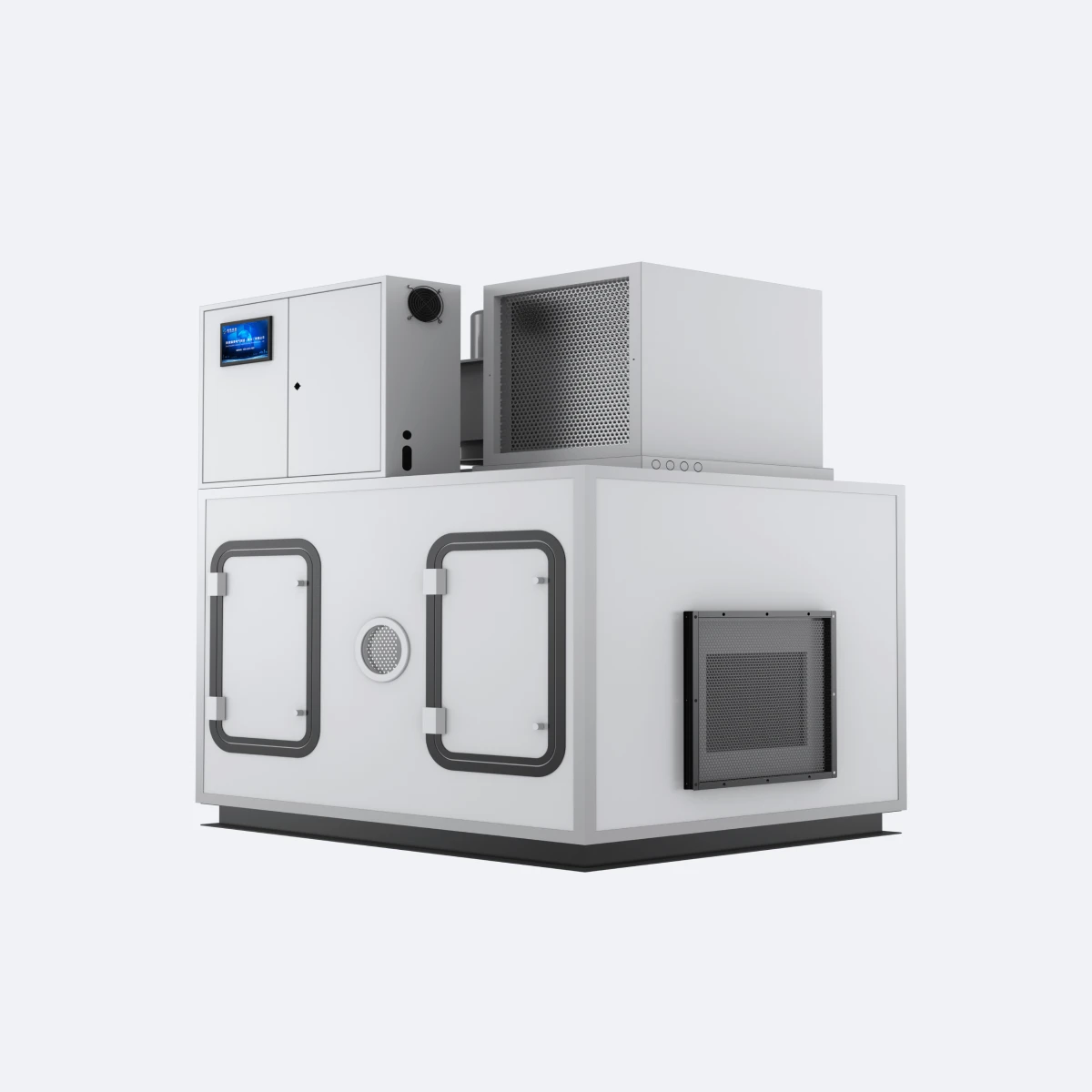
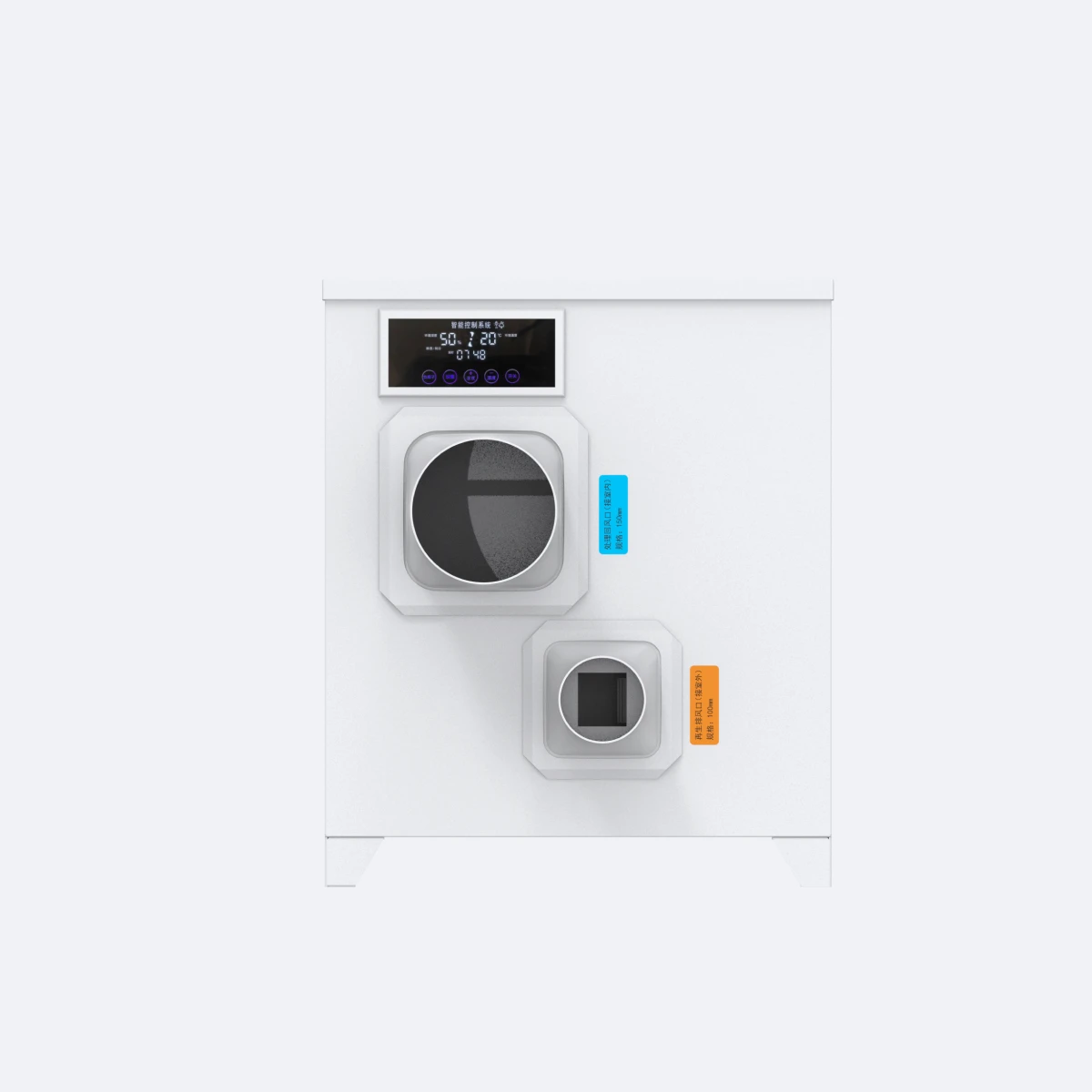
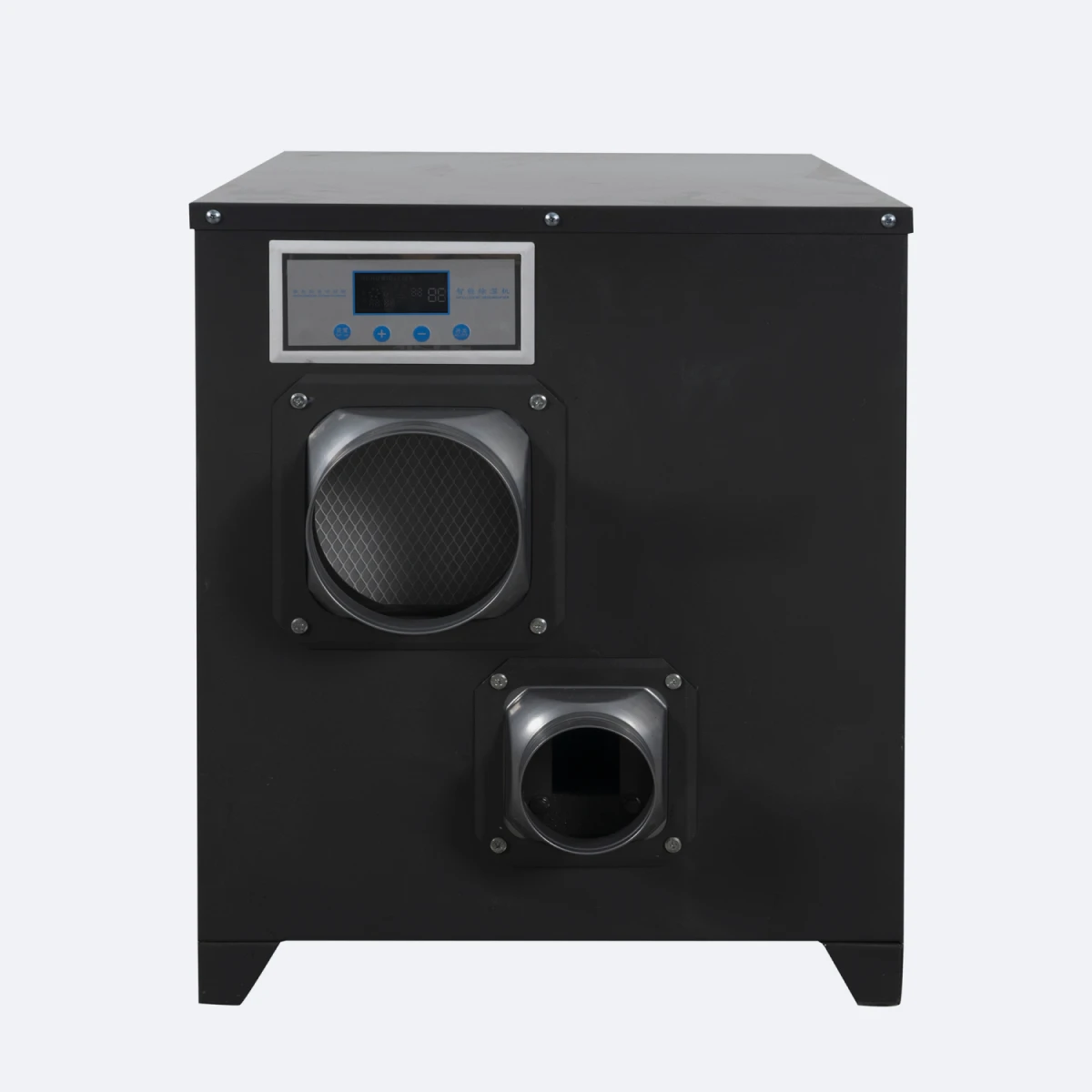
Large-scale aquatic environmental systems must integrate seamlessly with existing commercial plant architecture. Our commercial pool room dehumidifying equipment is designed for versatile, out-of-sight installation. The heavy-gauge, insulated steel cabinets are typically installed in an adjacent mechanical room, utilizing standardized supply and return air flanges to connect directly to the pool room’s overhead ductwork. This remote installation isolates mechanical noise from the bathers. For maintenance personnel, the machinery features automated continuous gravity drainage and weather-sealed access panels, allowing technicians to rapidly inspect the coated coils, verify compressor function, and replace washable pre-filters without dismantling the unit.