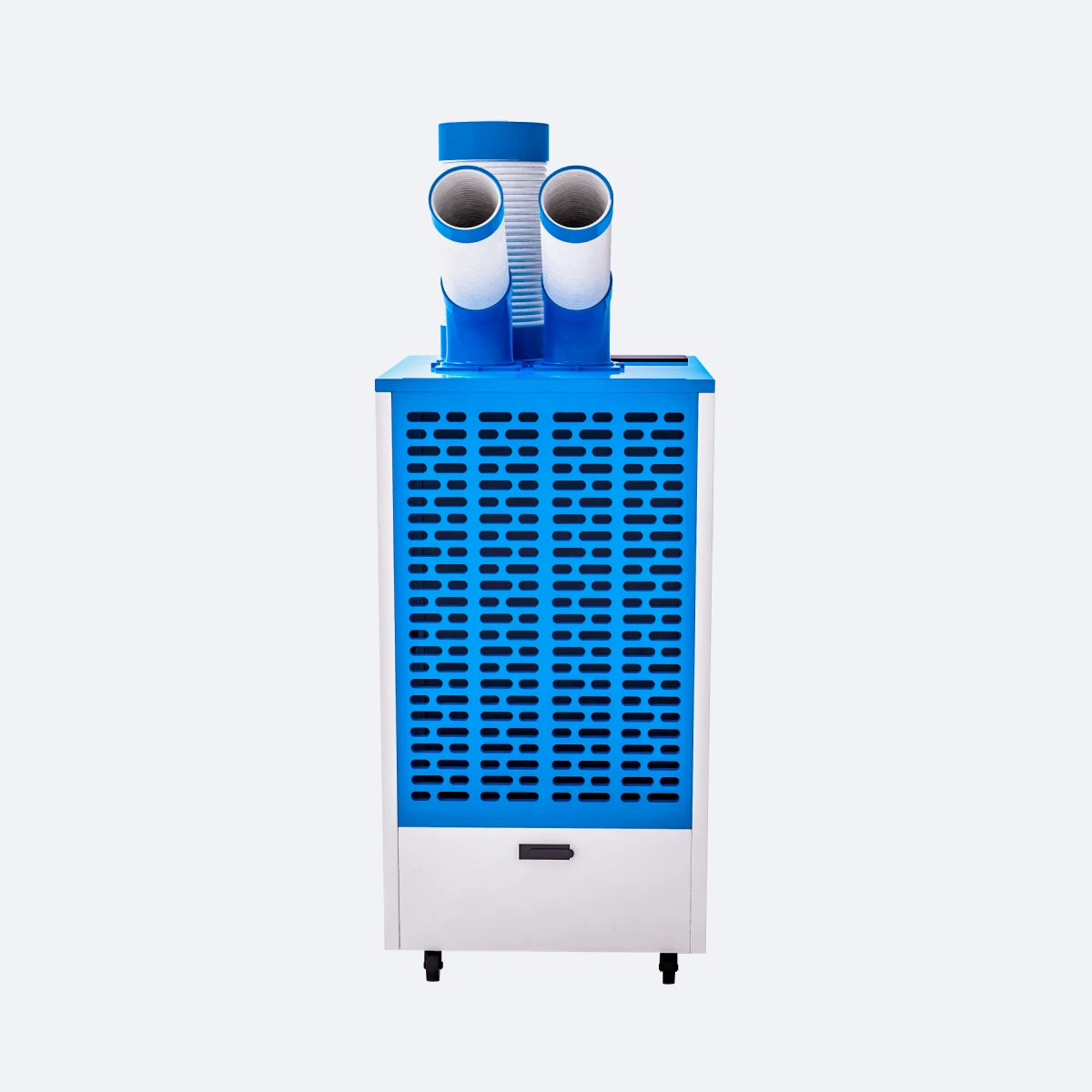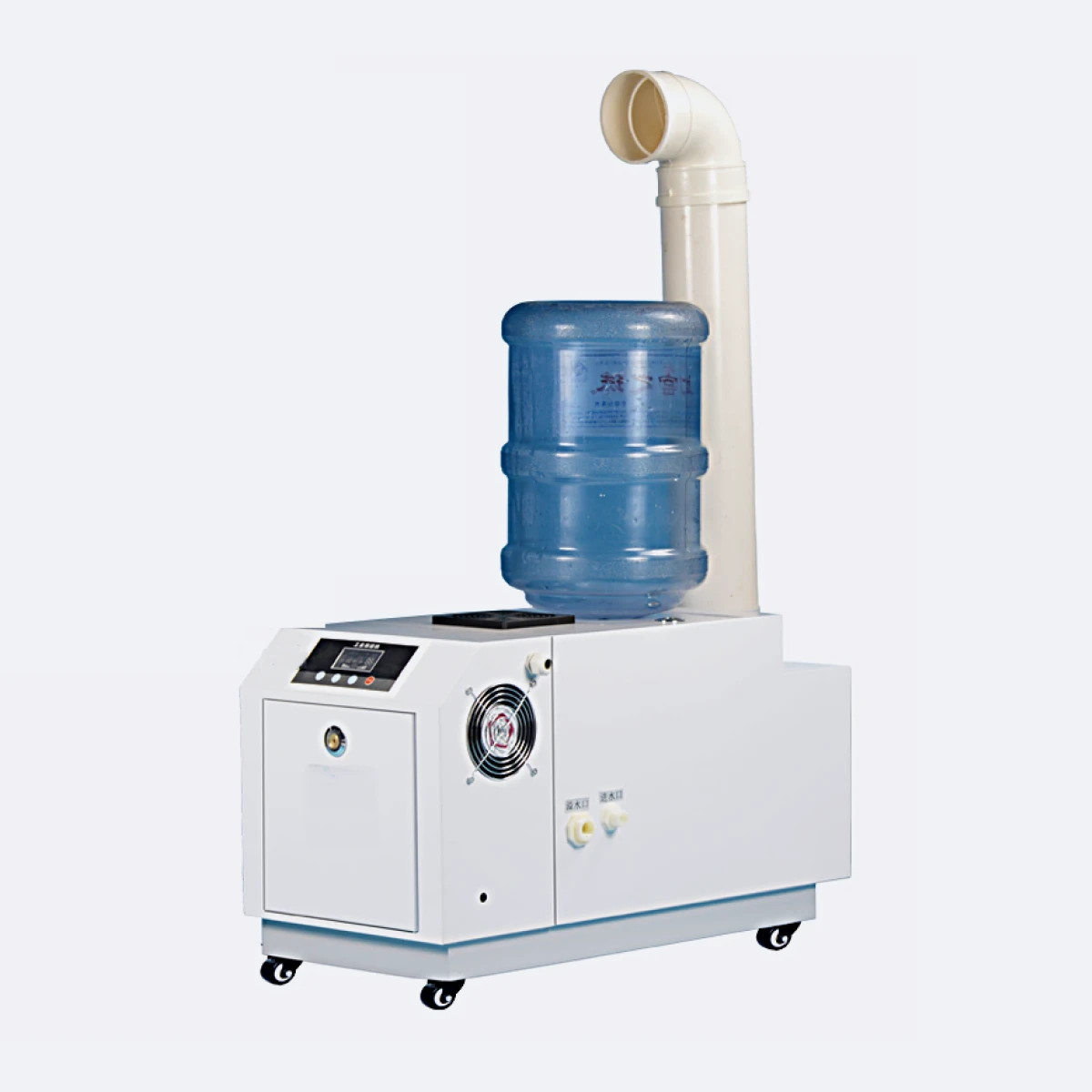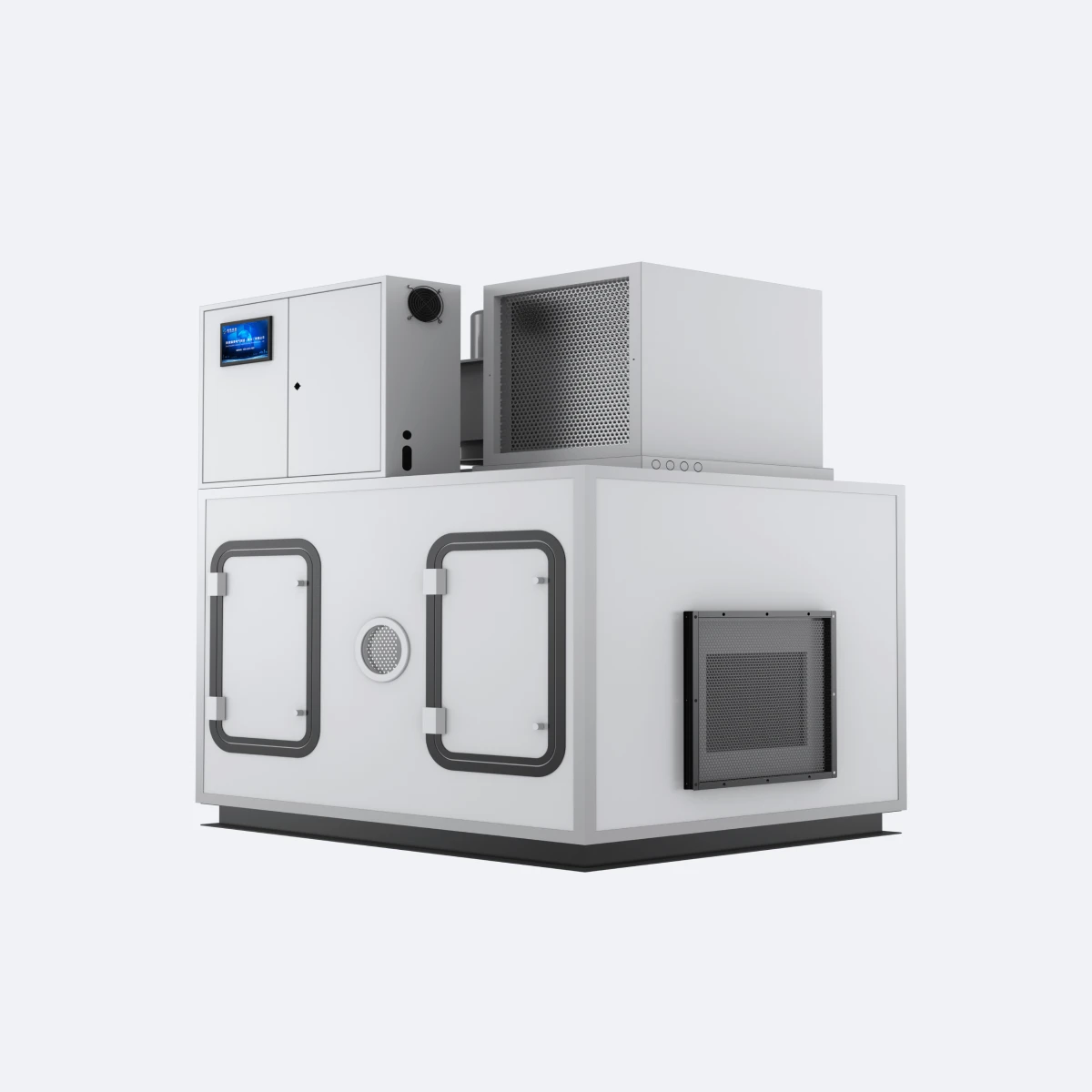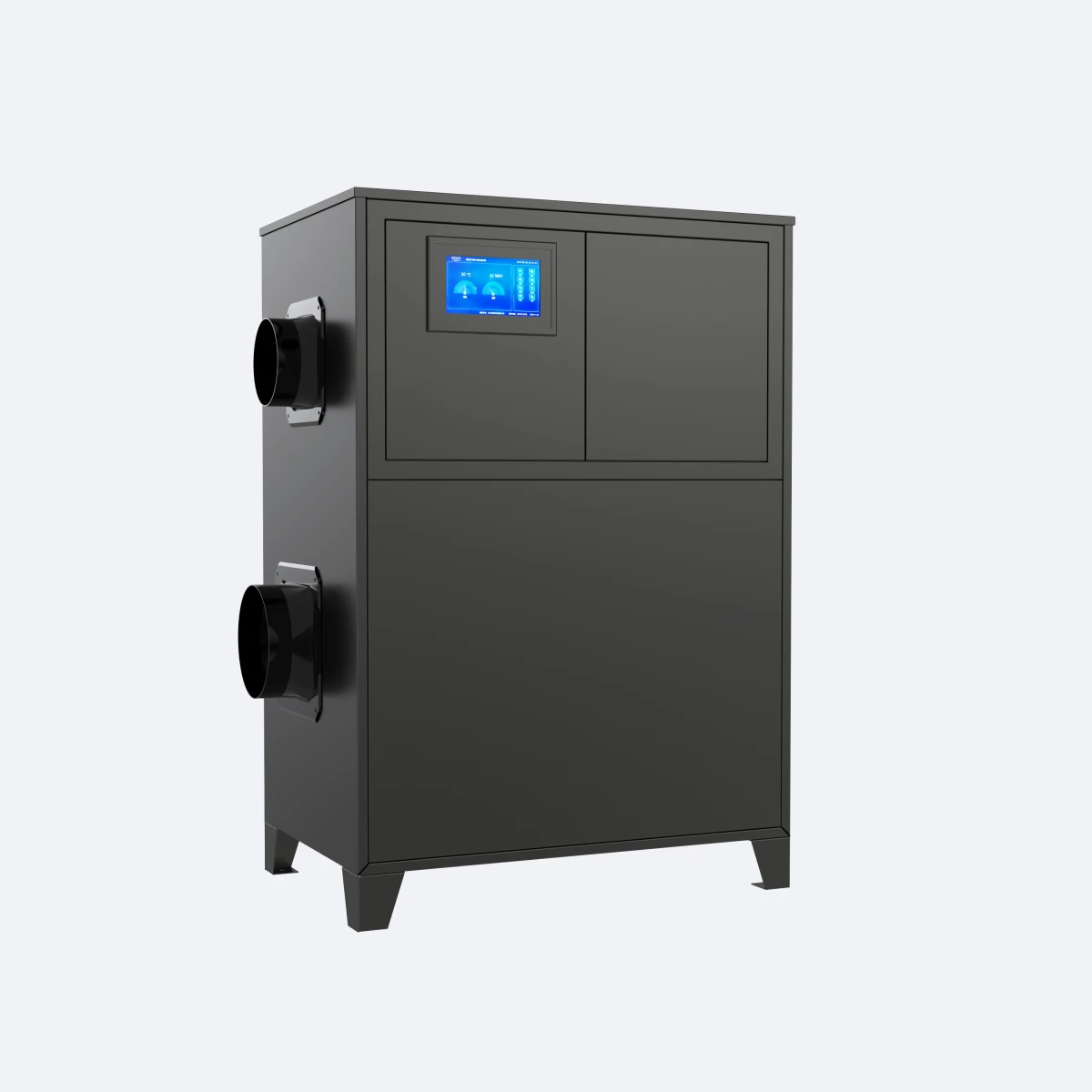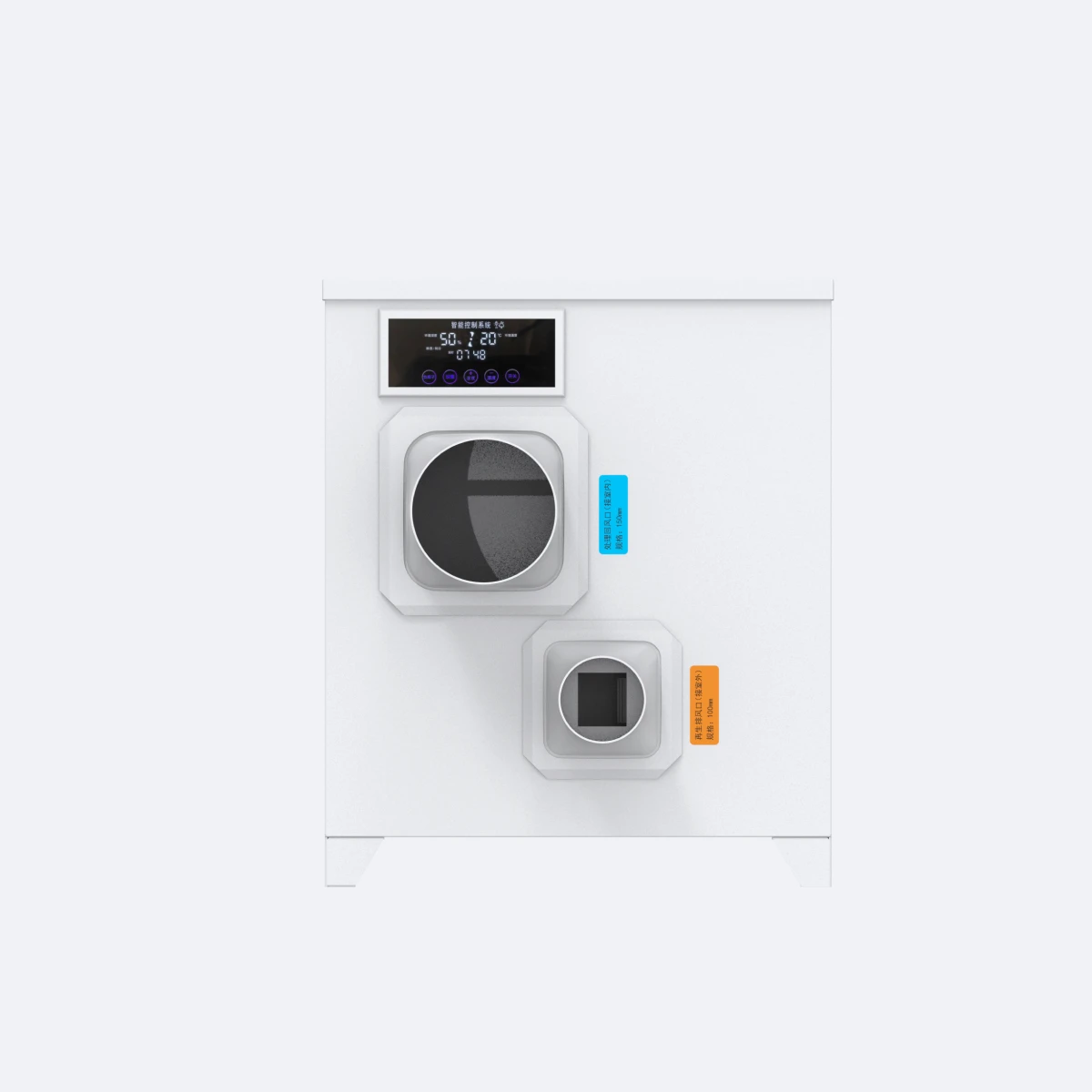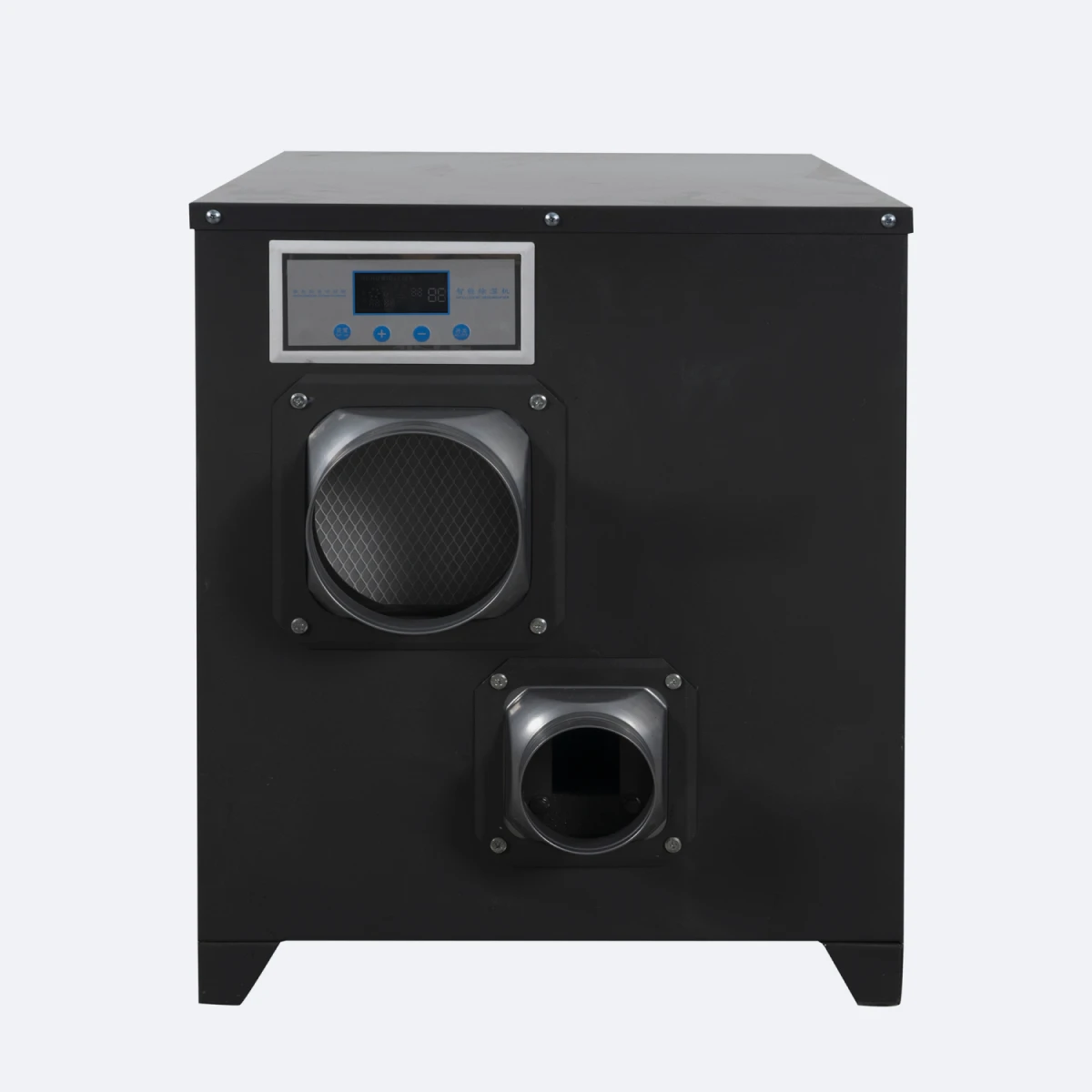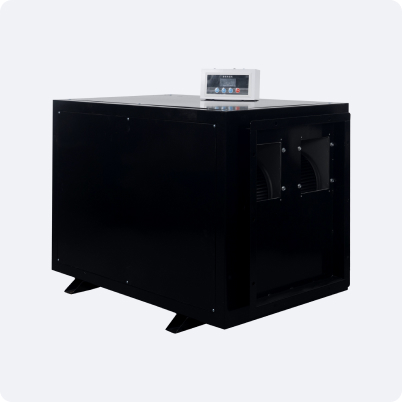
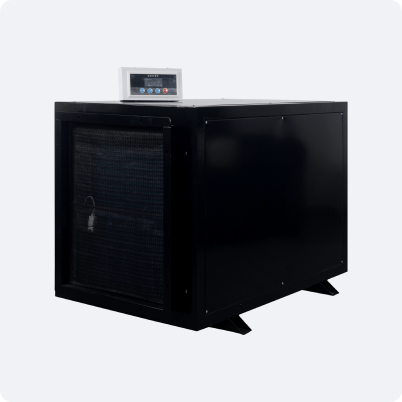
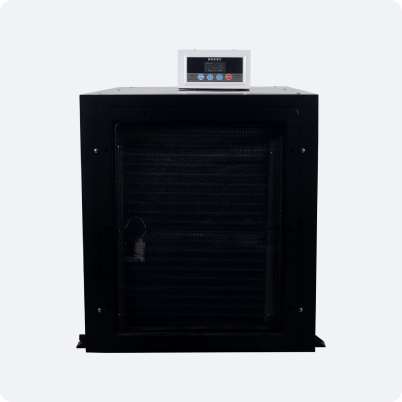
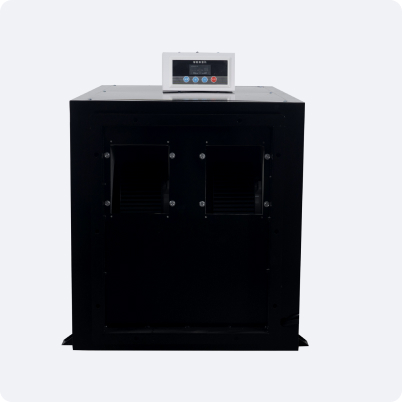
| Item | Specification |
|---|---|
| Dehumidification Capacity(30℃,80%RH) | 180L/D |
| Power Supply | 380V/50Hz |
| Rated Power | 2800W |
| Noise Level | ≤60dB(A) |
| Air Circulation (m³/h) | 2200 |
| working humidity range | 30-80% |
| Applicable Area | 180-240 |
| Working Temperature | 5-38℃ |
| Drainage Method | Direct Drainage via Hose |
| Product Dimensions | 950*600*700mm |
| Packing Dimensions | 1000*650*760mm |
| Refrigerant | R410a/1200G |
| Net Weight/Gross Weight | 70kg/75kg |
| FOB Shanghai(USD) | 660 |
| Air Inlet Size | 600*490mm |
| Air Outlet Size | 600*490mm |
Engineered for Micro-Environments: The Safe Dehumidification Unit
Secure storage environments, such as institutional vaults and heavy-gauge steel safes, represent the ultimate sealed architectural envelope. Because these structures are explicitly designed to lock out external atmospheric exchange, any trapped ambient humidity quickly stagnates. A dedicated safe dehumidification unit is mechanically engineered to intervene in these ultra-confined microclimates. By aggressively targeting and neutralizing the localized vapor pressure within the cabinet, these highly compact systems prevent the internal air from reaching its dew point, ensuring that temperature drops in the surrounding facility do not result in catastrophic condensation inside the locked vault.
Protecting High-Value Assets with a Lockbox Humidity Controller
In institutional and corporate settings, a lockbox humidity controller is critical for securing highly sensitive, proprietary assets. When storing delicate biotechnology assets, such as stabilized peptides or fragile protein expression samples within a secure vault, maintaining an ultra-low relative humidity is structurally required to prevent rapid chemical degradation or biological contamination. Similarly, maintaining a strictly dry atmosphere within a corporate safe ensures that the micro-circuitry of prototype electronic smart pet devices or automated sensor arrays does not succumb to electrostatic discharge (ESD) or moisture-induced short circuits during secure storage.
Corrosion Prevention via a Vault Moisture Extractor
The primary structural threat within a sealed steel enclosure is the rapid oxidation of stored metal components. A heavy-duty vault moisture extractor is deployed as a mandatory preventative measure against galvanic corrosion. Whether securing precision-machined industrial hardware, raw ADC12 aluminum master samples, or tactical equipment, the continuous extraction of water vapor prevents micro-rusting. By locking the internal humidity well below the threshold for oxidation, the equipment guarantees that sensitive mechanical tolerances and pristine metal finishes are perfectly preserved, regardless of how long the safe remains sealed.
Desiccant Technology in a Secure Storage Air Dryer
Running traditional refrigeration cycles inside a sealed, unventilated steel box is thermodynamically impossible due to the inability to exhaust latent heat or route liquid drainage. Therefore, our secure storage air dryer utilizes advanced, passive, or low-voltage active desiccant technology. These units are engineered with highly porous adsorption matrices—typically commercial-grade silica gel or specialized molecular sieves. This desiccant continuously physically bonds with ambient water molecules without requiring a continuous power draw, making it the only viable mechanical solution for deeply isolated security cabinets and fireproof document safes.
OEM Manufacturing of the Security Cabinet Moisture Removal System
Shishuo provides specialized, scalable manufacturing for safe manufacturers, security contractors, and institutional supply distributors requiring reliable, confined-space environmental systems. The external chassis of every security cabinet moisture removal system is constructed from high-heat-resistant polymers or perforated steel to ensure maximum airflow over the desiccant media. For our rechargeable OEM models, we integrate low-voltage, self-regulating PTC heating elements. When the desiccant reaches maximum saturation, end-users simply plug the unit into a standard outlet outside the safe, initiating a thermal reactivation cycle that safely vaporizes the trapped water and completely restores the unit's adsorption capacity for continuous reuse.