| Item | Specification |
|---|---|
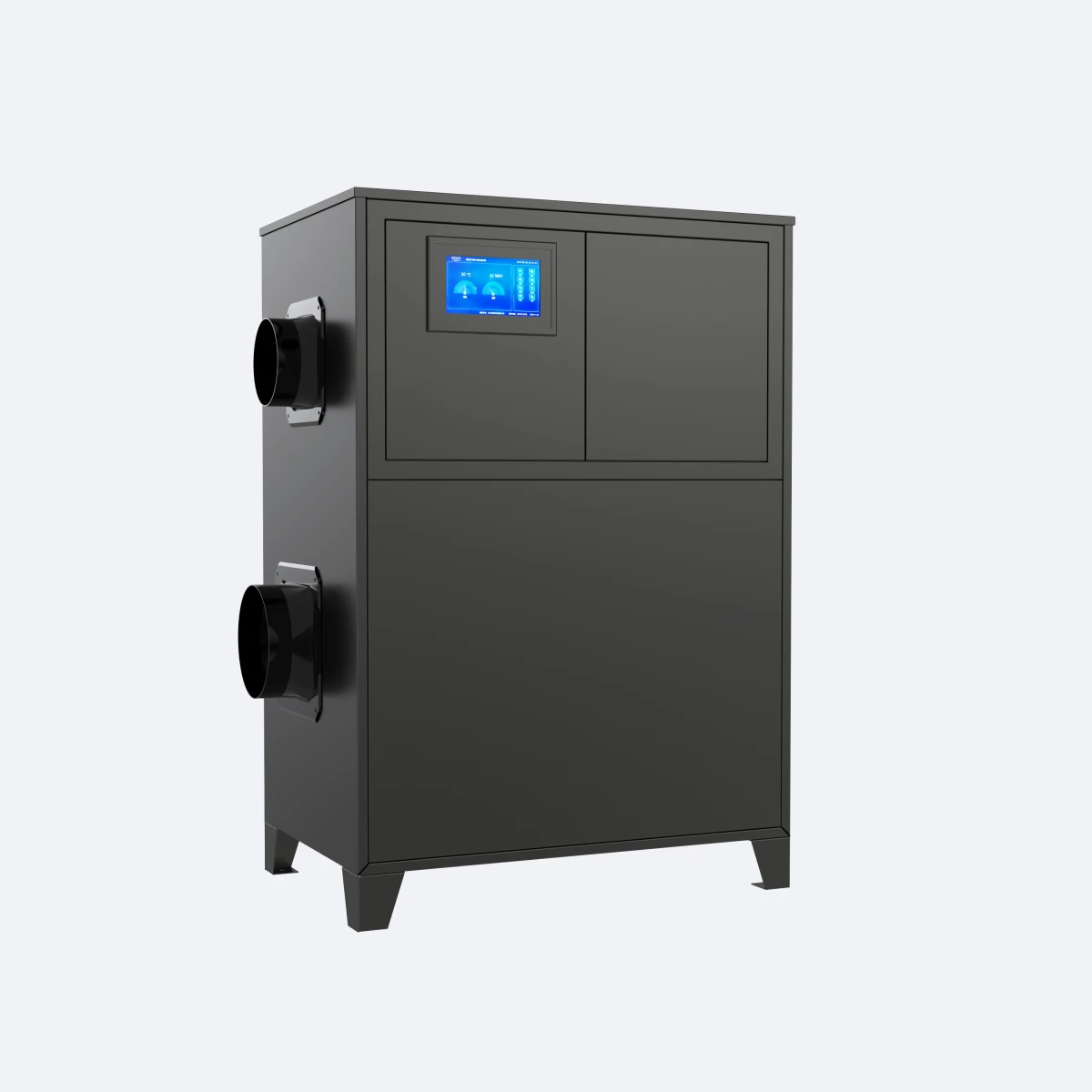
| Model | ROD-A |
| Power Supply (V/Hz) | 220 |
| Air Handling Capacity (m³/h) | 100 |
| Dehumidification Capacity (kg/h) | 0.5-0.6 |
| Max. Dehumidification Capacity (kg/h, L/day) | 0.6 |
| l/d | 14.4 |
| Regeneration Air Volume (m³/h) | 30 |
| Process Inlet/Outlet Diameter (mm) | 100/100 |
| Regeneration Inlet/Outlet Diameter (mm) | 75/75 |
| Operating Current (A) | 7.5 |
| Regeneration Heating Power (kW) | 0.9 |
| Total Power (kW) | 1.65 |
| Packaging Weight (kg) | 40 |
| Net Weight (kg) | 35 |
| Estimated Packaging Dimensions (mm) | 700*400*710 |
| External Dimensions (mm) | 600*400*680 |
Engineered Adsorption: The Desiccant Wheel Dehumidification Unit
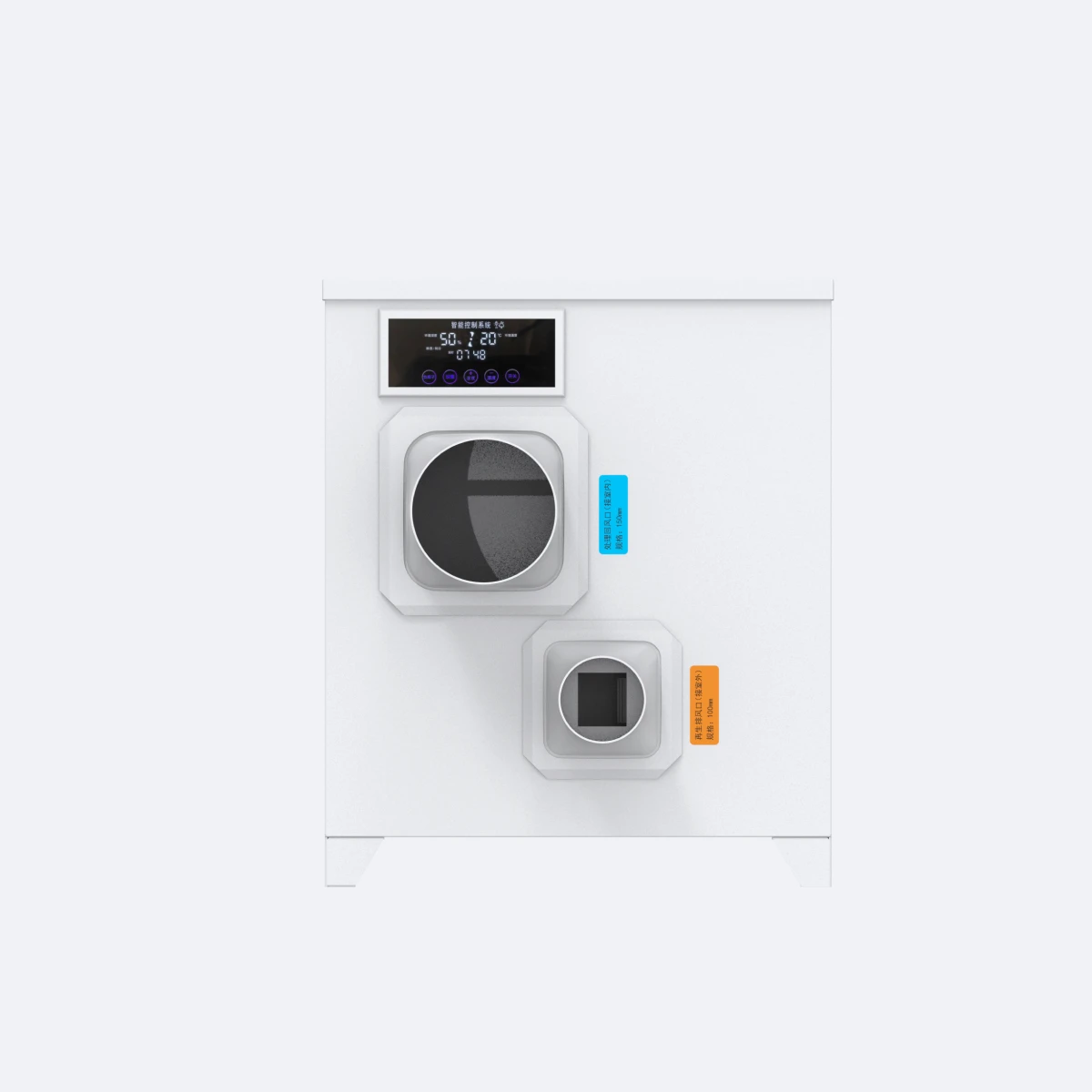
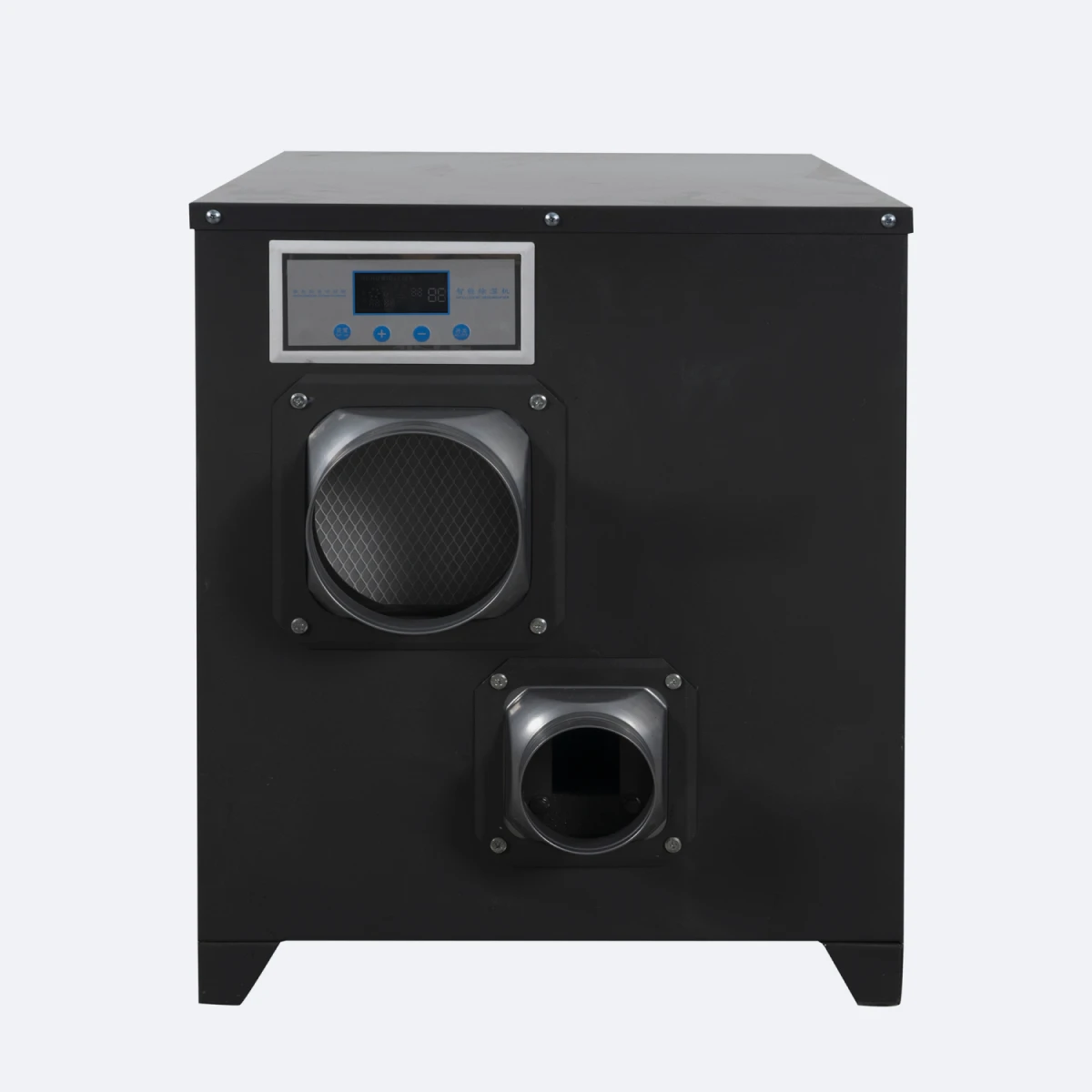
When industrial specifications require humidity levels lower than standard refrigeration can achieve, physical adsorption is the required engineering solution. Our equipment utilizes a high-capacity desiccant wheel dehumidification unit to extract water vapor directly from the processing environment. The defining component is a densely corrugated, honeycomb-structured rotor impregnated with active desiccant materials such as silica gel or molecular sieves. This specific geometry maximizes the surface area exposed to the passing airstream, allowing the equipment to capture moisture molecules efficiently even at sub-zero temperatures and extremely low vapor pressures.
Airflow Dynamics in a Rotary Silica Gel Dehumidifier
Continuous and stable moisture extraction depends on a synchronized, dual-stream airflow design. Inside a rotary silica gel dehumidifier, the primary process air is drawn through the larger sector of the rotating honeycomb matrix, where moisture is physically bonded to the desiccant surface. Simultaneously, a smaller, isolated sector of the wheel passes through a heated reactivation airstream. This thermal energy breaks the desiccant-moisture bond, expelling the accumulated water vapor outside the facility. The continuous, slow rotation of the wheel ensures that dry, conditioned air is supplied to your production lines without interruption.
Demanding Applications for an Adsorption Rotor Moisture Control System
Equipment capable of independent humidity and temperature control is critical infrastructure for facilities susceptible to moisture-induced degradation. An adsorption rotor moisture control system is deployed where strict environmental compliance is mandatory. Typical industrial applications include pharmaceutical cleanrooms to prevent powder agglomeration during tableting, lithium-ion battery dry rooms where moisture reactivity is a safety hazard, deep-freeze warehousing to eliminate the formation of ice on evaporator coils, and specialized coating processes in the automotive and aerospace sectors.
Structural Integrity of the Desiccant Cylinder Air Dryer
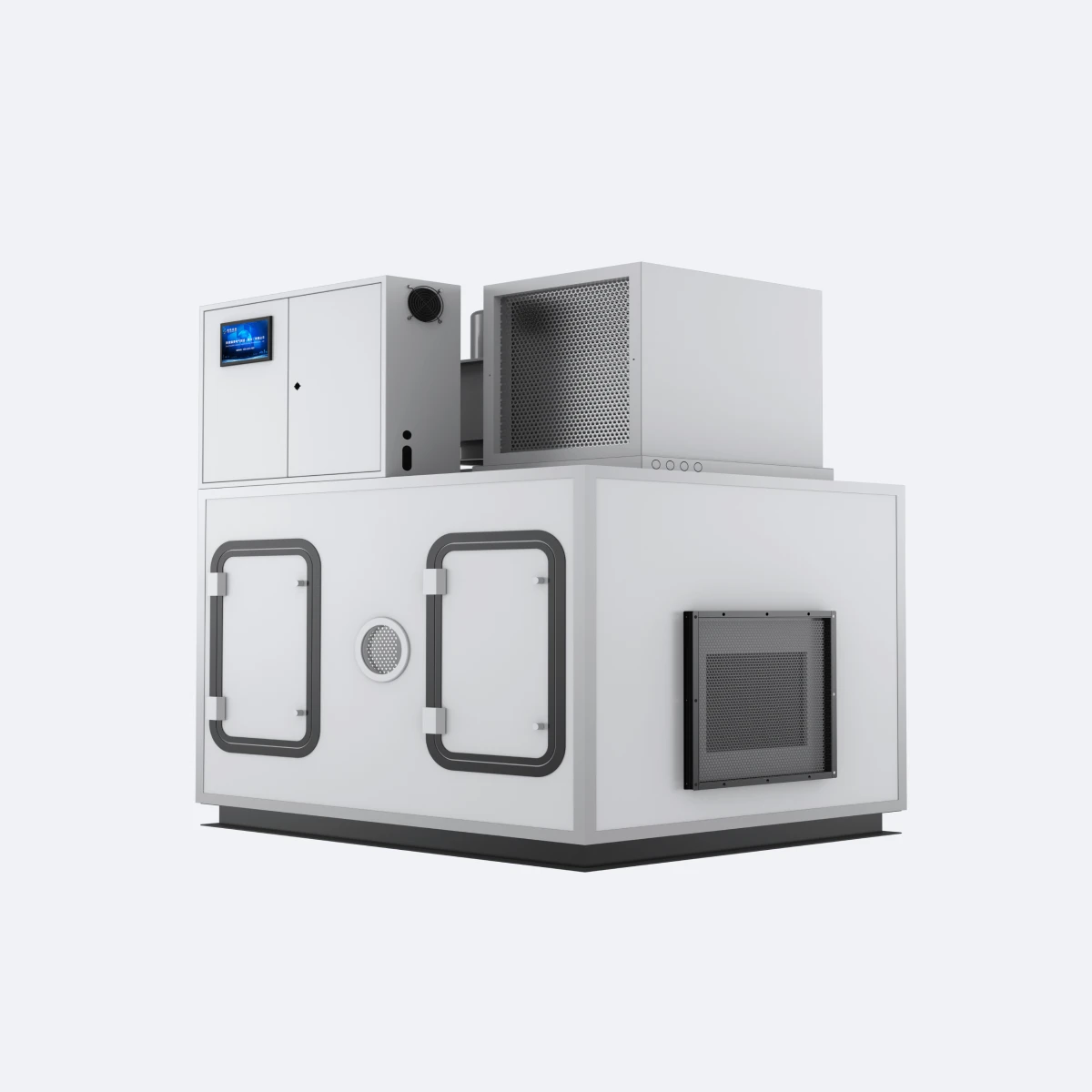
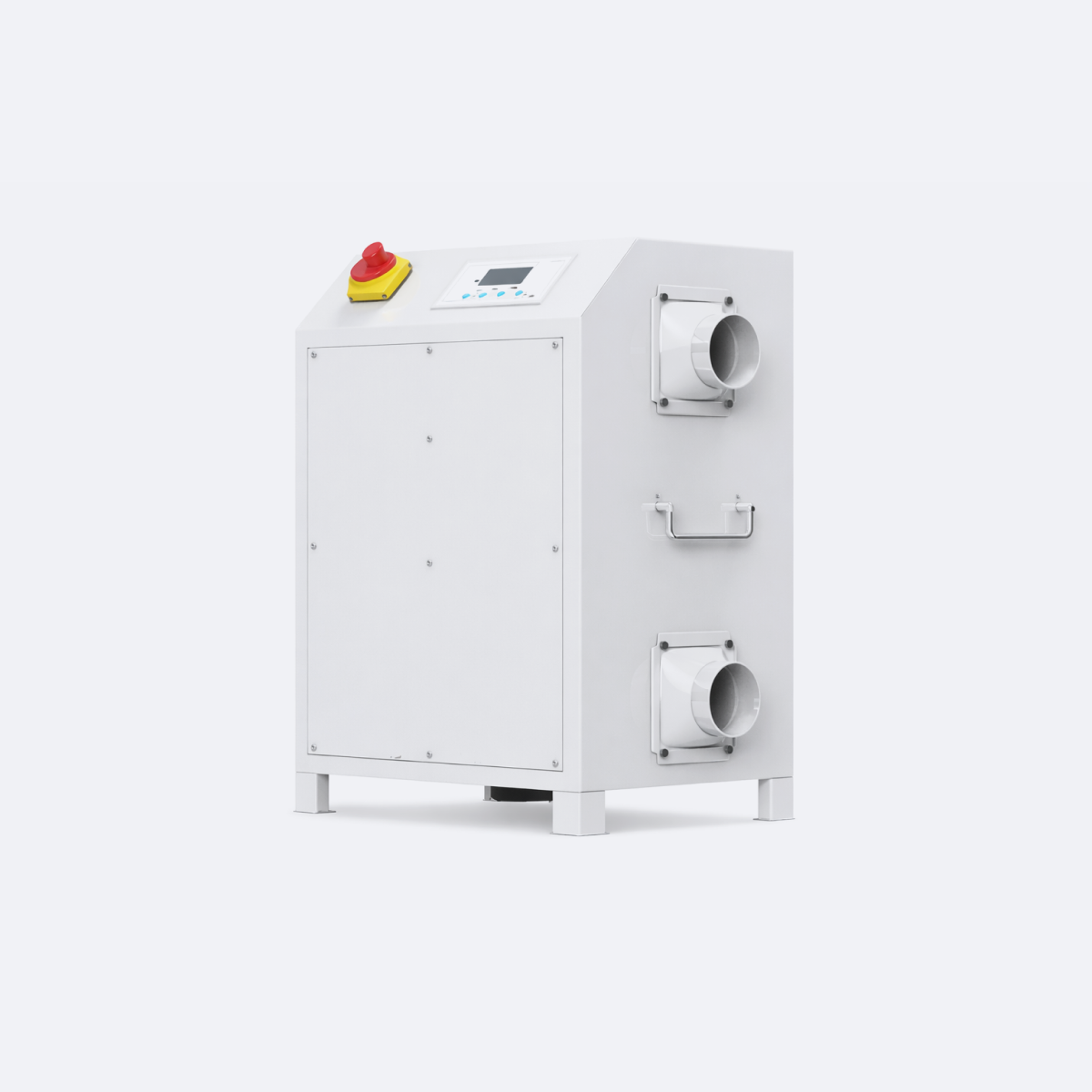
Heavy-duty industrial machinery must be constructed to prevent structural flexing and internal energy loss over years of continuous operation. We manufacture the chassis of the desiccant cylinder air dryer using cold-rolled steel, enclosed by double-walled, thermally insulated panels. This design provides a strict thermal break, eliminating external condensation when operating in humid environments. Internally, precision-engineered radial and perimeter friction seals are utilized to separate the cold process air from the high-temperature reactivation sector, ensuring zero cross-contamination and maintaining the system's rated moisture removal capacity.
Long-Term Maintenance of a Continuous Desiccant Rotary Dehumidifier
Predictable maintenance schedules and energy efficiency define the total cost of ownership for capital equipment. The operation of a continuous desiccant rotary dehumidifier is regulated by advanced PLC systems that modulate the reactivation heat source based on real-time environmental loads, significantly reducing unnecessary power consumption. The structural matrix of the rotor is engineered to be highly resilient against surface flaking and degradation. Routine maintenance is highly accessible, focusing primarily on the regular replacement of heavy-duty pre-filters to protect the rotor channels from airborne particulates, alongside periodic inspections of the drive mechanism and perimeter seals.