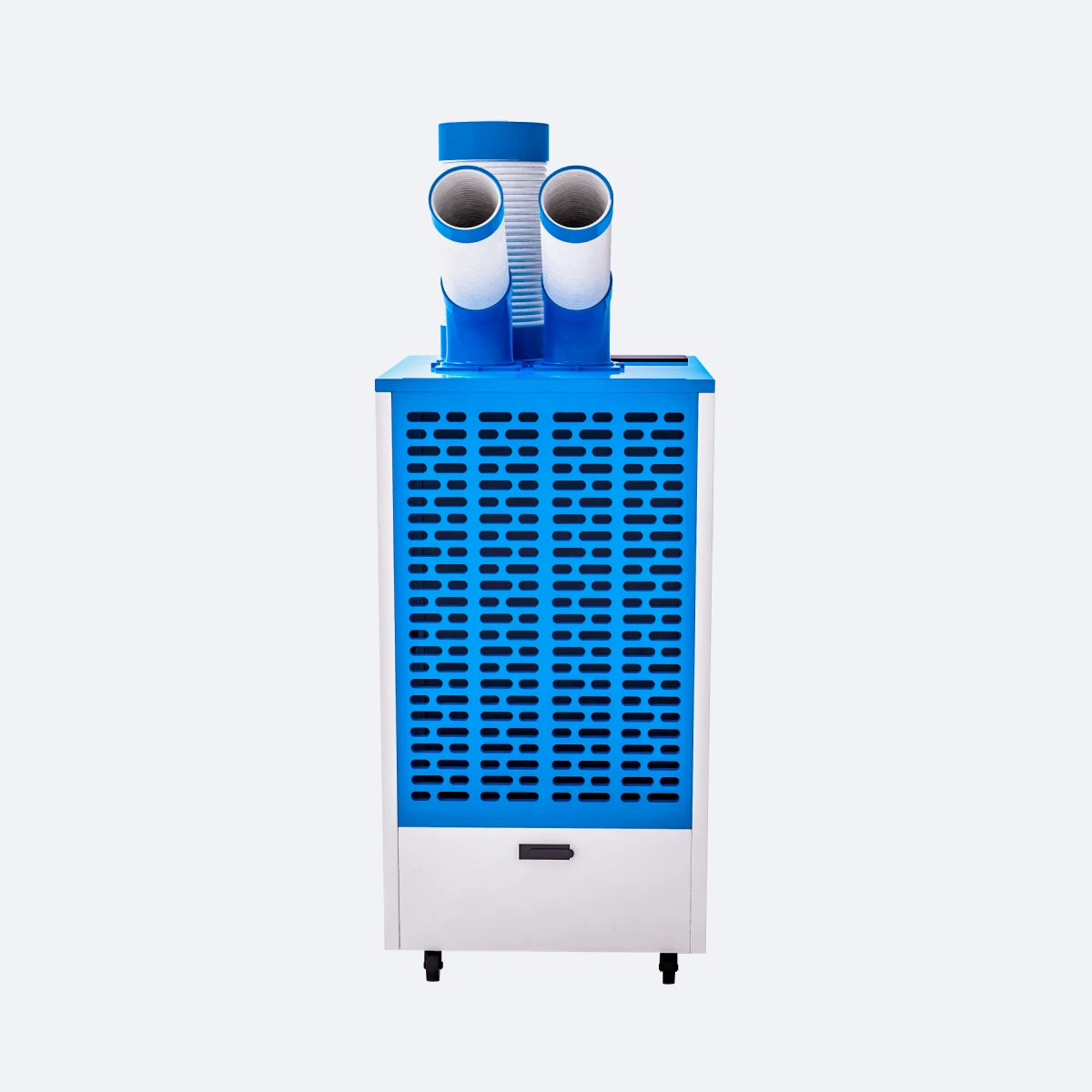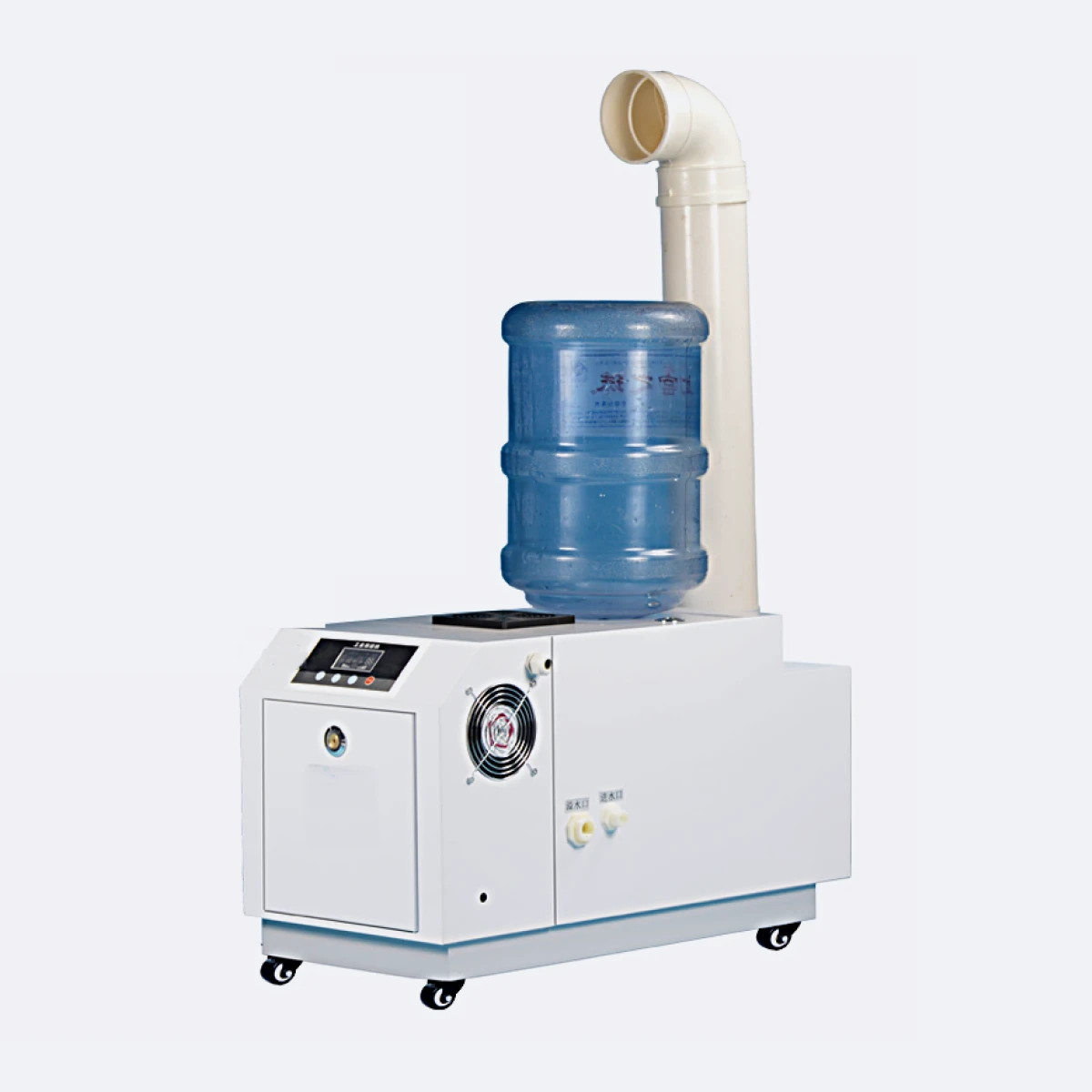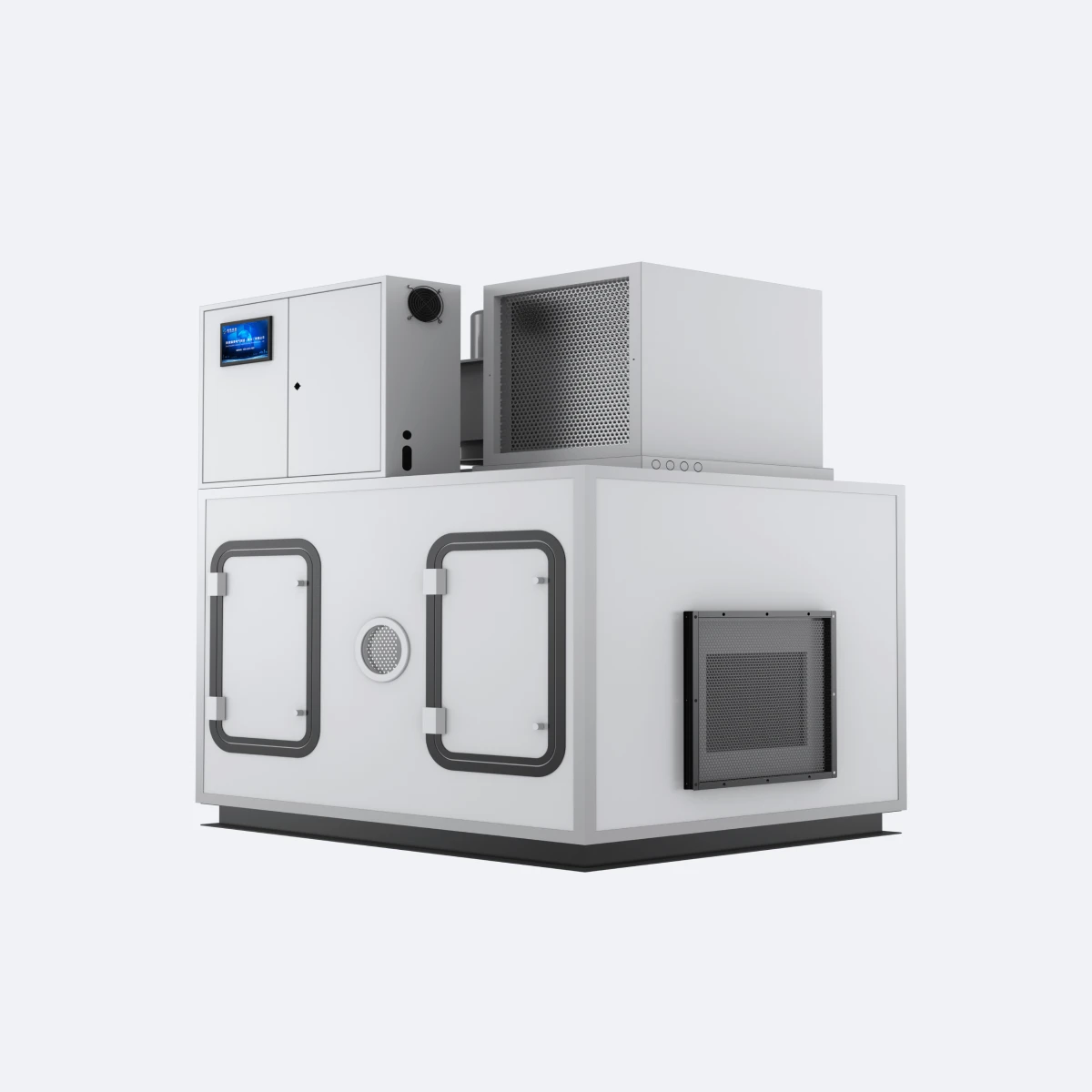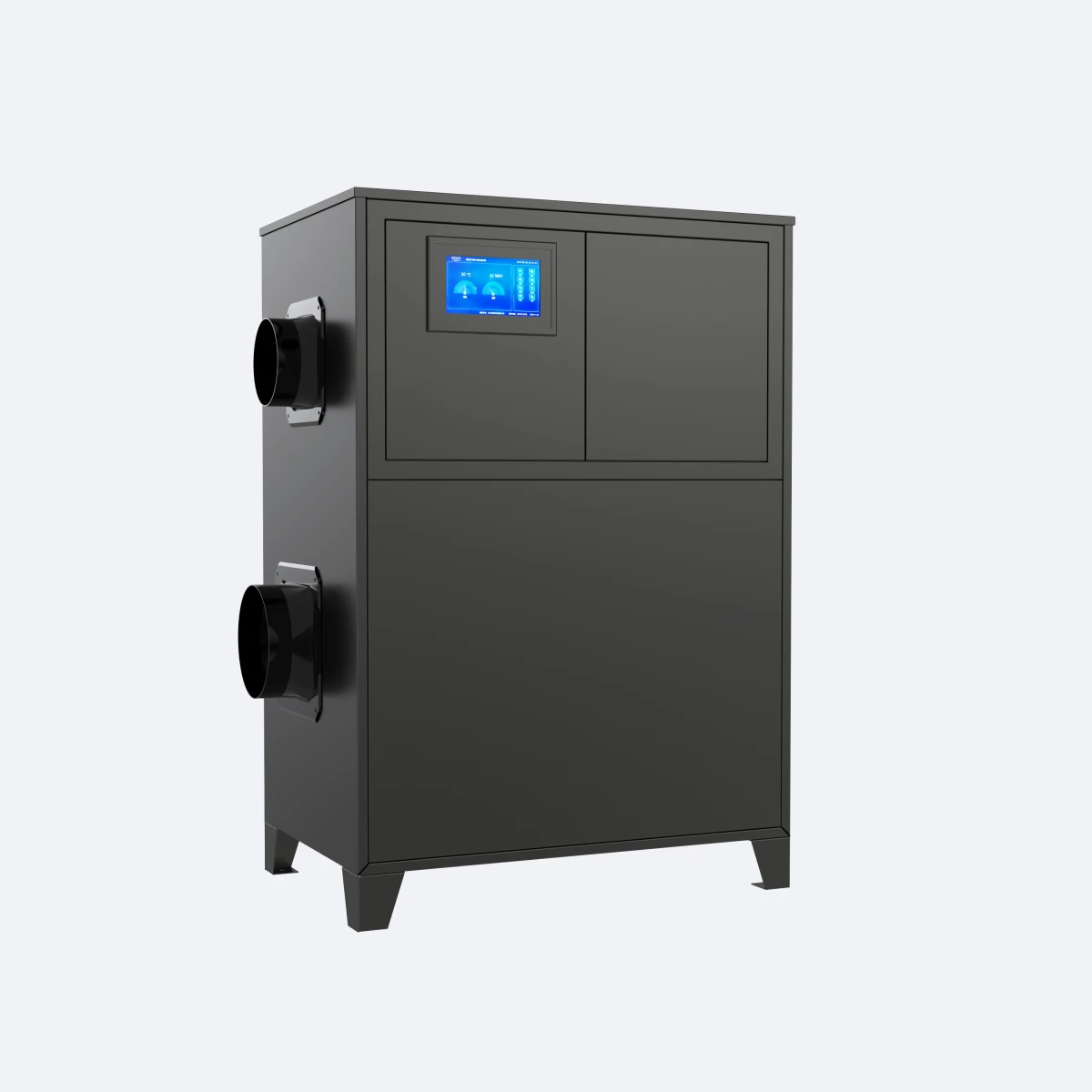
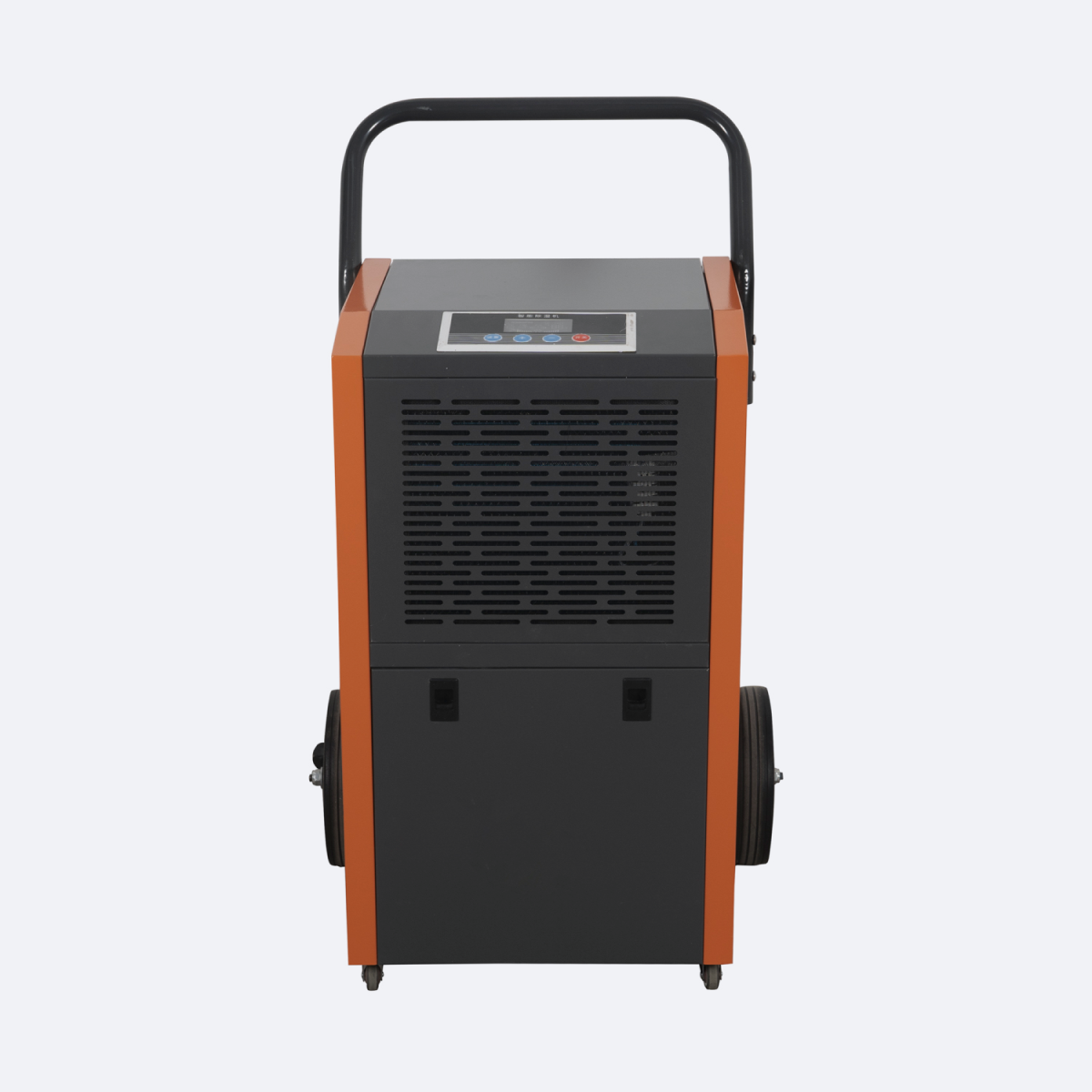
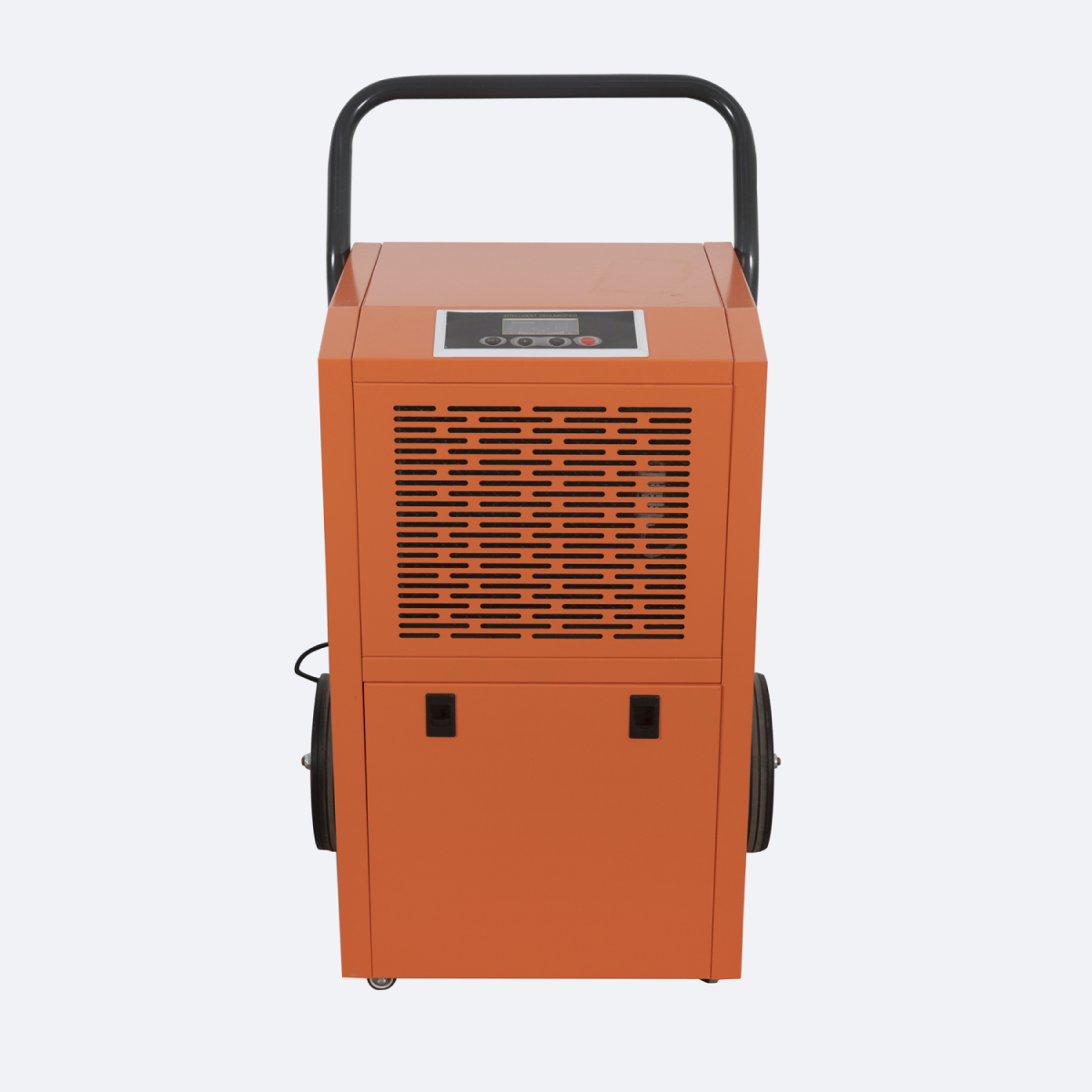
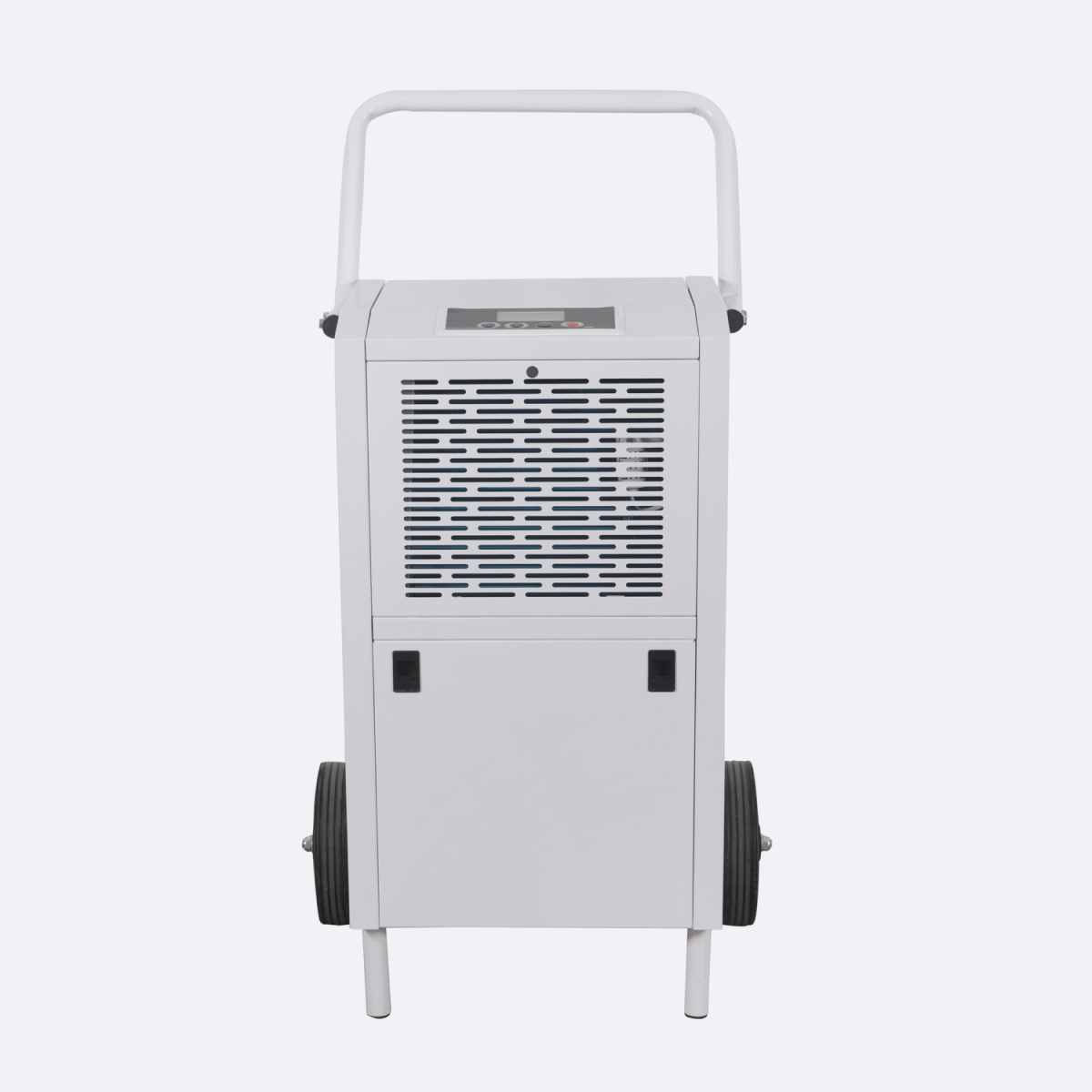
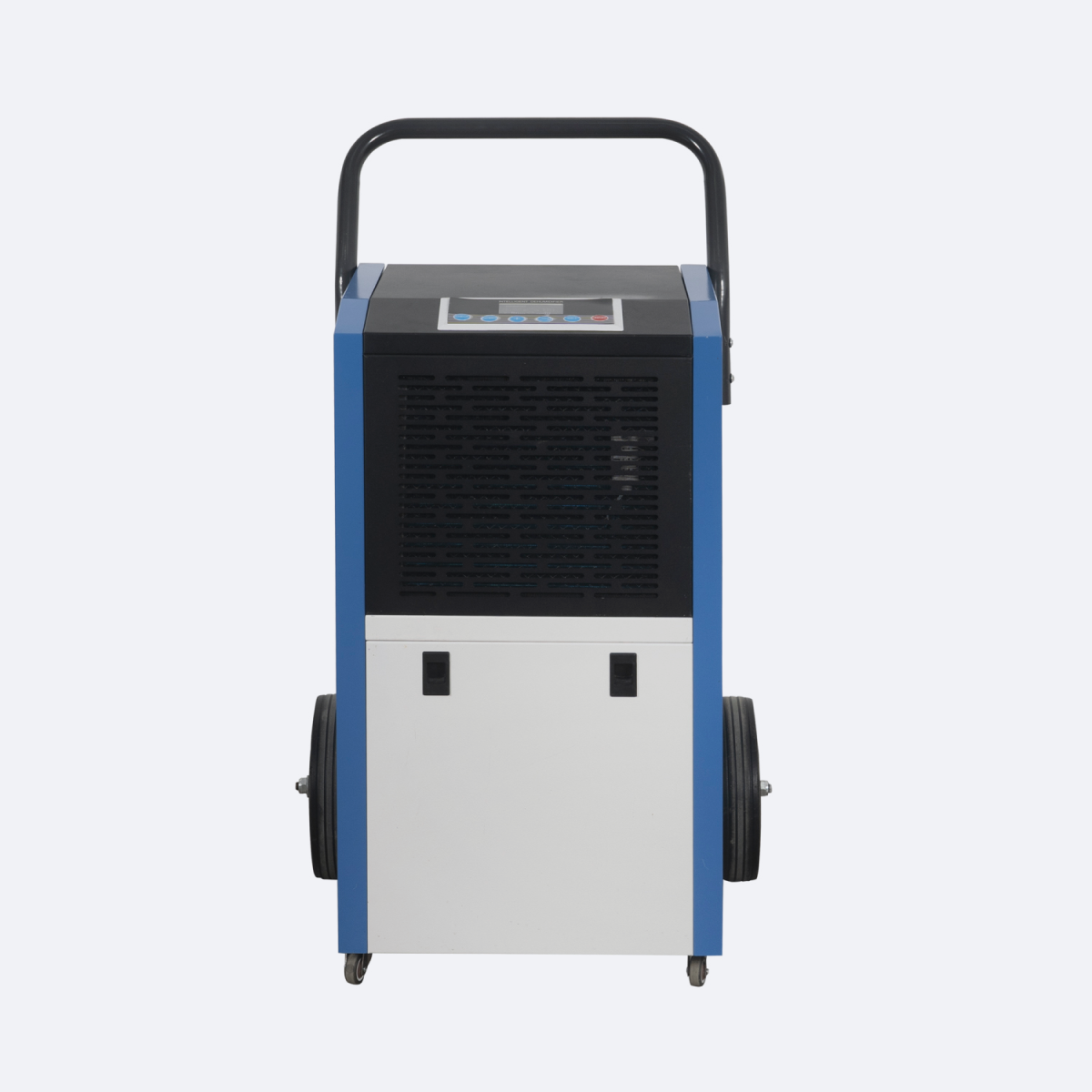
| Item | Specification |
|---|---|
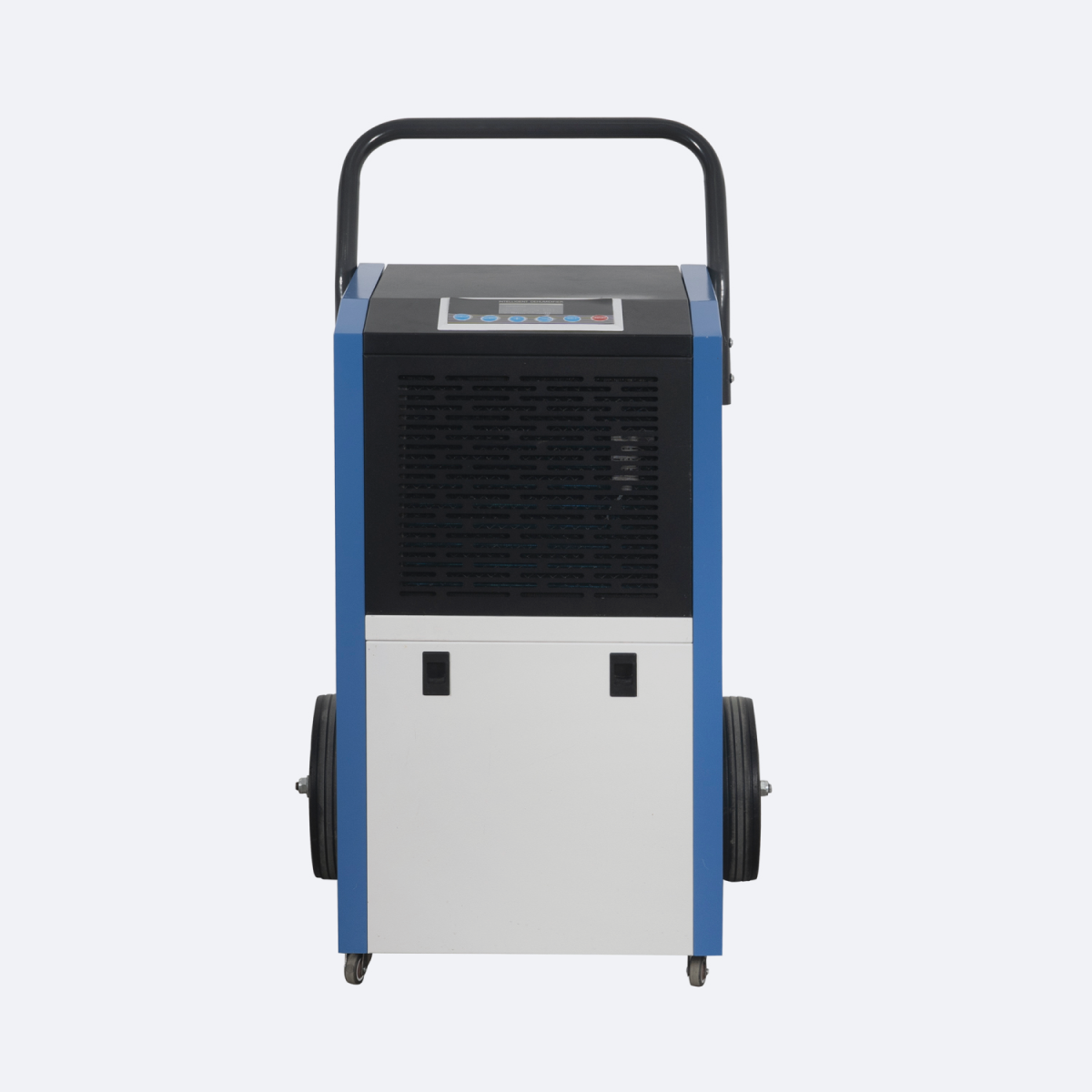
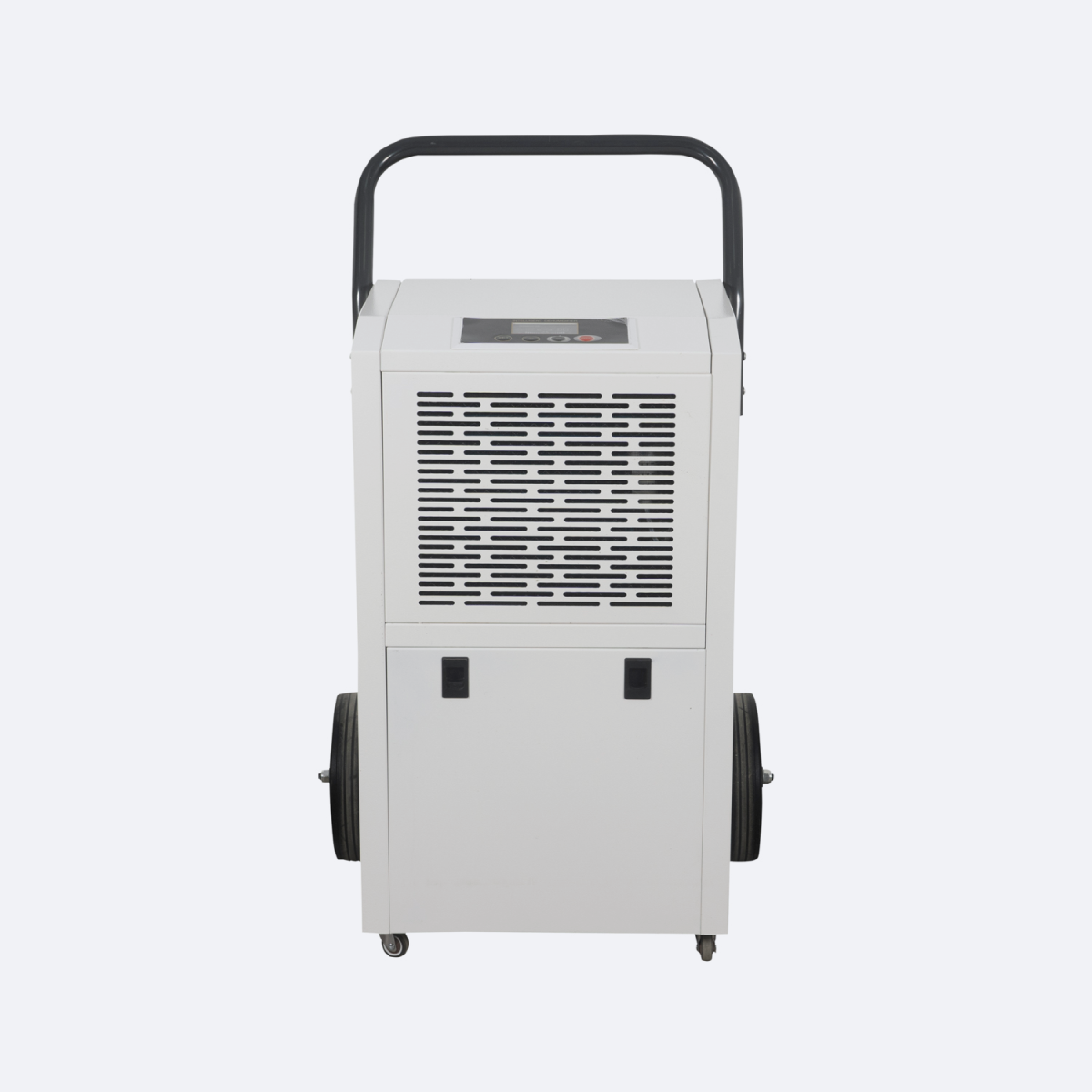
| Dehumidification Capacity(30℃,80%RH) | 60L/D |
| Power Supply | 220V/50Hz |
| Rated Power | 850w |
| Noise Level | ≤45dB(A) |
| Air Circulation (m³/h) | 600 |
| working humidity range | 30-80% |
| Applicable Area | 40-60 |
| Working Temperature | 5-38℃ |
| Drainage Method | Water Tank+Water Pipe |
| Product Dimensions | 500*460*855mm |
| Packing Dimensions | 500*470*790mm |
| Refrigerant | R410/290A |
| Net Weight/Gross Weight | 36.9kg/38.9kg |
| FOB Shanghai(USD) | 260 |
Engineered for Physical Extraction: The Moisture Absorbing Dehumidification Unit
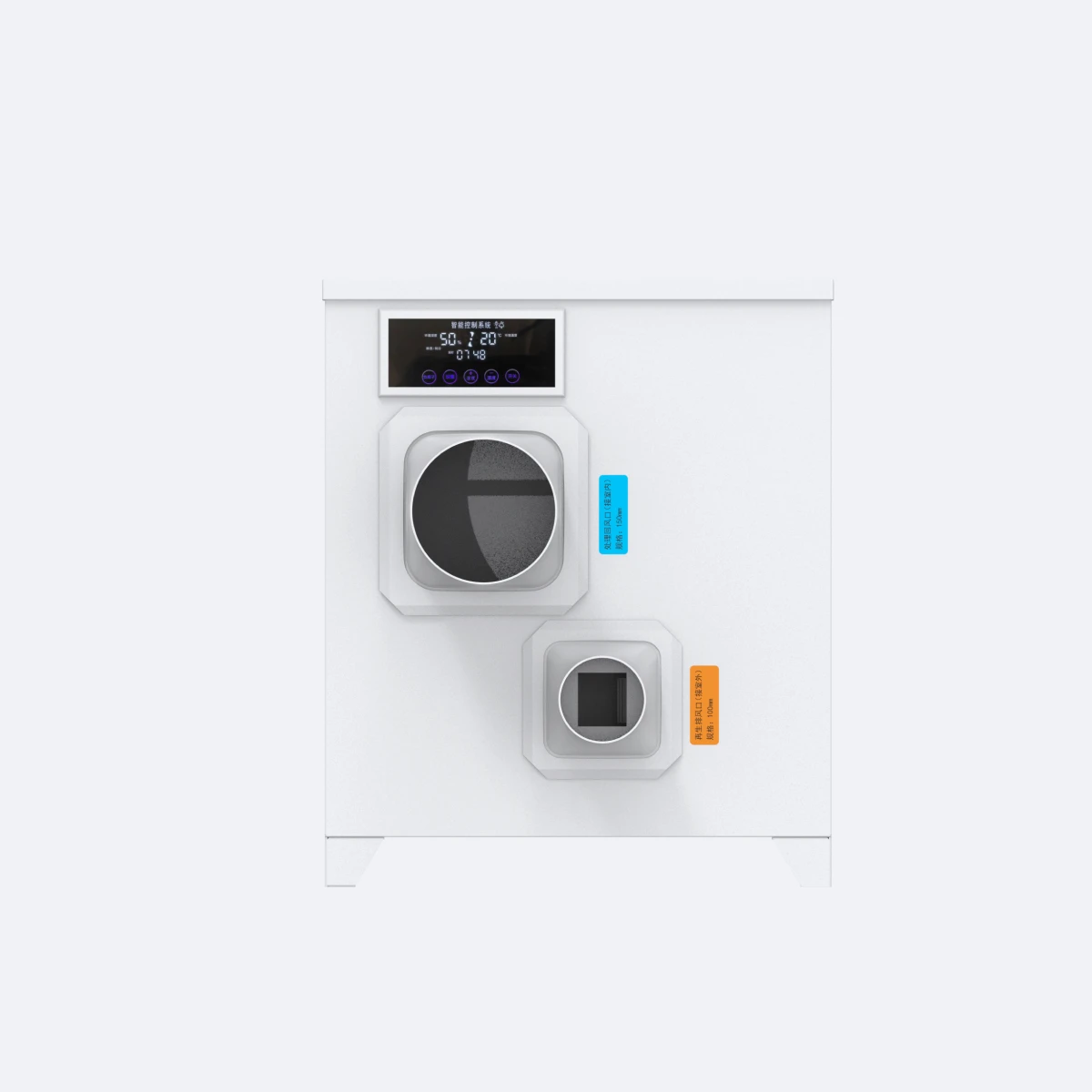
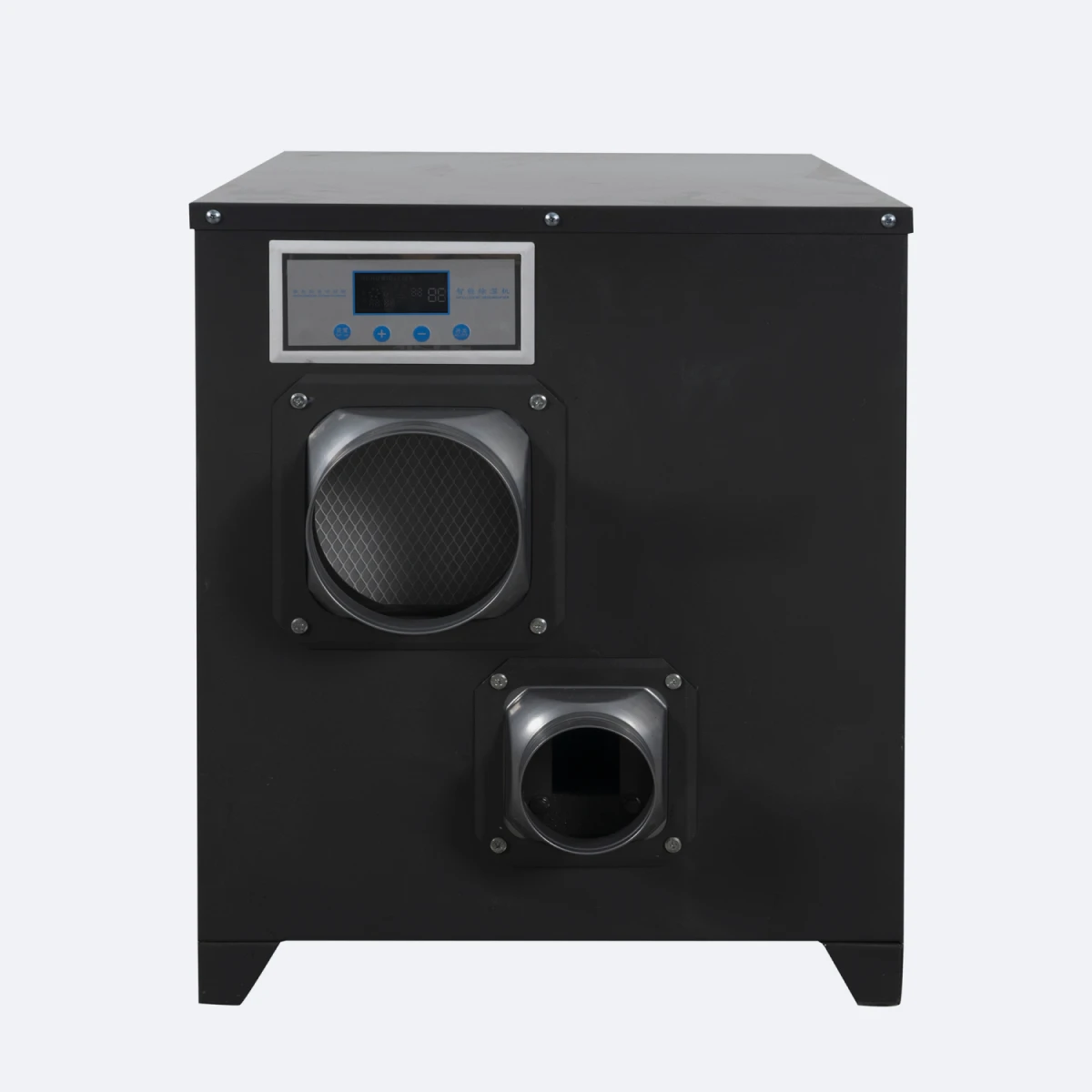
When traditional condensation-based cooling reaches its thermodynamic limits, industrial facilities must transition to active physical water extraction. An industrial moisture absorbing dehumidification unit is engineered to capture water molecules directly from the airstream using highly porous materials. Unlike consumer-grade passive chemical tubs that saturate quickly, these active mechanical systems utilize motorized, high-CFM centrifugal fans to continuously force ambient air through an engineered adsorption matrix. This process rapidly strips excess water vapor from the environment, maintaining strict, ultra-low relative humidity parameters regardless of surrounding temperature drops.
Material Preservation via a Dampness Absorber Air Dryer
Unregulated moisture in a manufacturing staging environment directly threatens the structural integrity of porous raw materials. A heavy-duty dampness absorber air dryer actively neutralizes this threat by locking the internal vapor pressure at a constant rate. Maintaining a strictly stabilized environment is required to ensure that sensitive hardwood materials, such as teak parquet and structural plywood, do not absorb suspended atmospheric water. By mechanically regulating the equilibrium moisture content of the air, the equipment prevents the warping, delamination, and dimensional shifting that destroys expensive office furniture components prior to final assembly.
Preventing Oxidation with a Water Vapor Absorbing Dehumidifier
Unheated exterior structures and logistics centers are frequently utilized for the storage of industrial hardware. When left in an unregulated, high-humidity environment, metal inventory is highly susceptible to rapid galvanic corrosion. Deploying a robust water vapor absorbing dehumidifier is a critical preventative measure. By driving down the internal ambient humidity, the machinery ensures that stored industrial pump assemblies, raw ADC12 aluminum alloys, and machined motorcycle cylinder heads remain completely dry. This aggressive environmental control prevents micro-rusting and preserves exact factory machining tolerances until the components are ready for deployment.
Protecting Sensitive Electronics using a Humidity Absorber Moisture Extractor
Complex manufacturing and assembly processes demand exacting atmospheric tolerances to prevent catastrophic component failure. A humidity absorber moisture extractor is critical infrastructure for facilities assembling sensitive electronic hardware. By strictly holding the relative humidity (RH) between 40% and 50%, the equipment eliminates the risk of electrostatic discharge (ESD) and prevents micro-condensation from forming on printed circuit boards. This precision regulation is mandatory when assembling intricate consumer goods, such as electronic smart pet devices and automated feeding systems, ensuring consistent factory yield and long-term product reliability.
Facility Integration of the Desiccant Moisture Absorbing System
Capital machinery must integrate seamlessly into commercial plant architecture without requiring daily manual intervention from facility staff. We engineer every desiccant moisture absorbing system for autonomous, long-term deployment. Because the extracted water is driven off entirely as vapor during the internal thermal reactivation cycle, there are no liquid water collection tanks to empty and no risk of internal freezing in sub-zero logistics centers. The system’s operation is strictly governed by advanced digital PLCs and remote hygrostats, allowing facility managers to integrate the equipment directly into existing ductwork for continuous, fully automated environmental control.