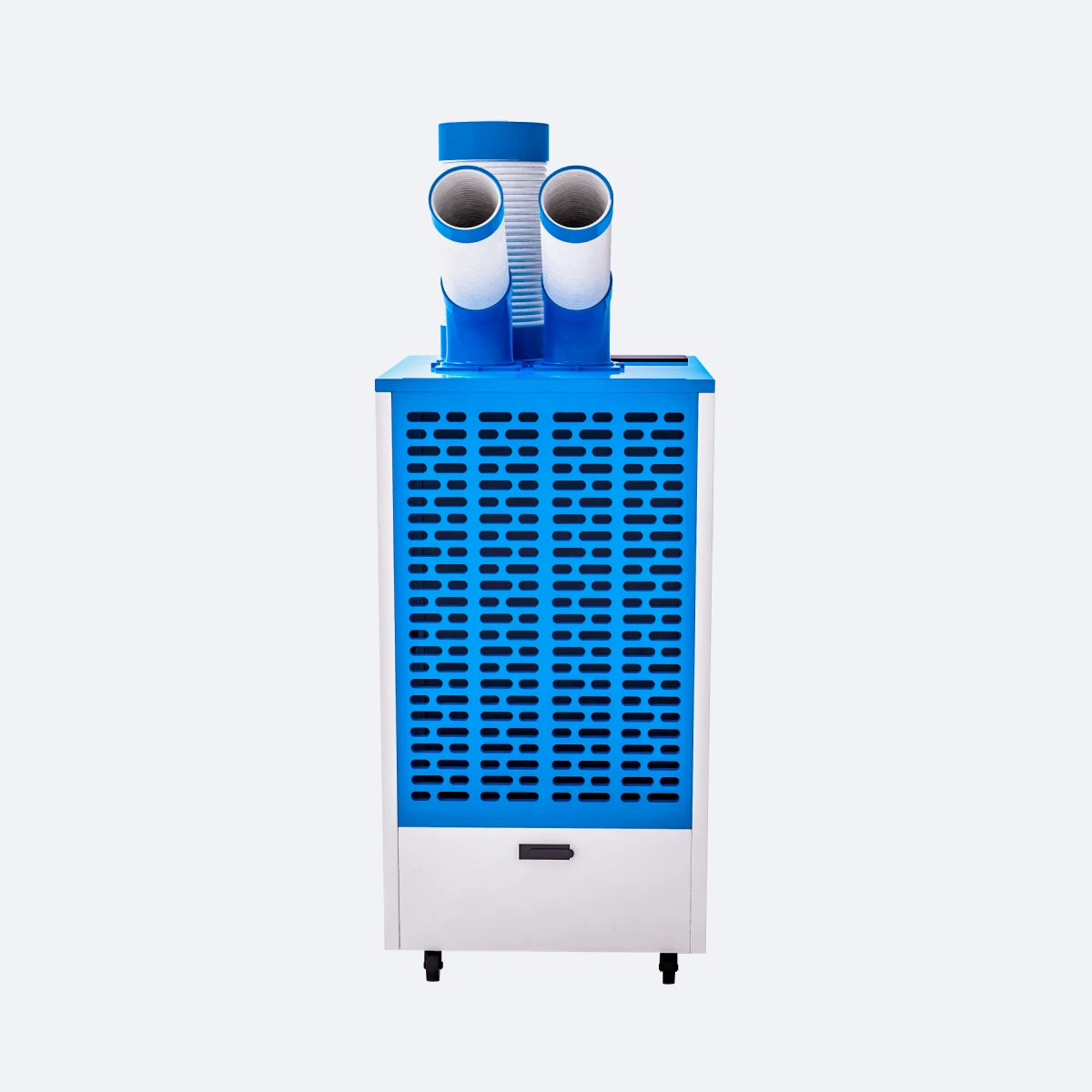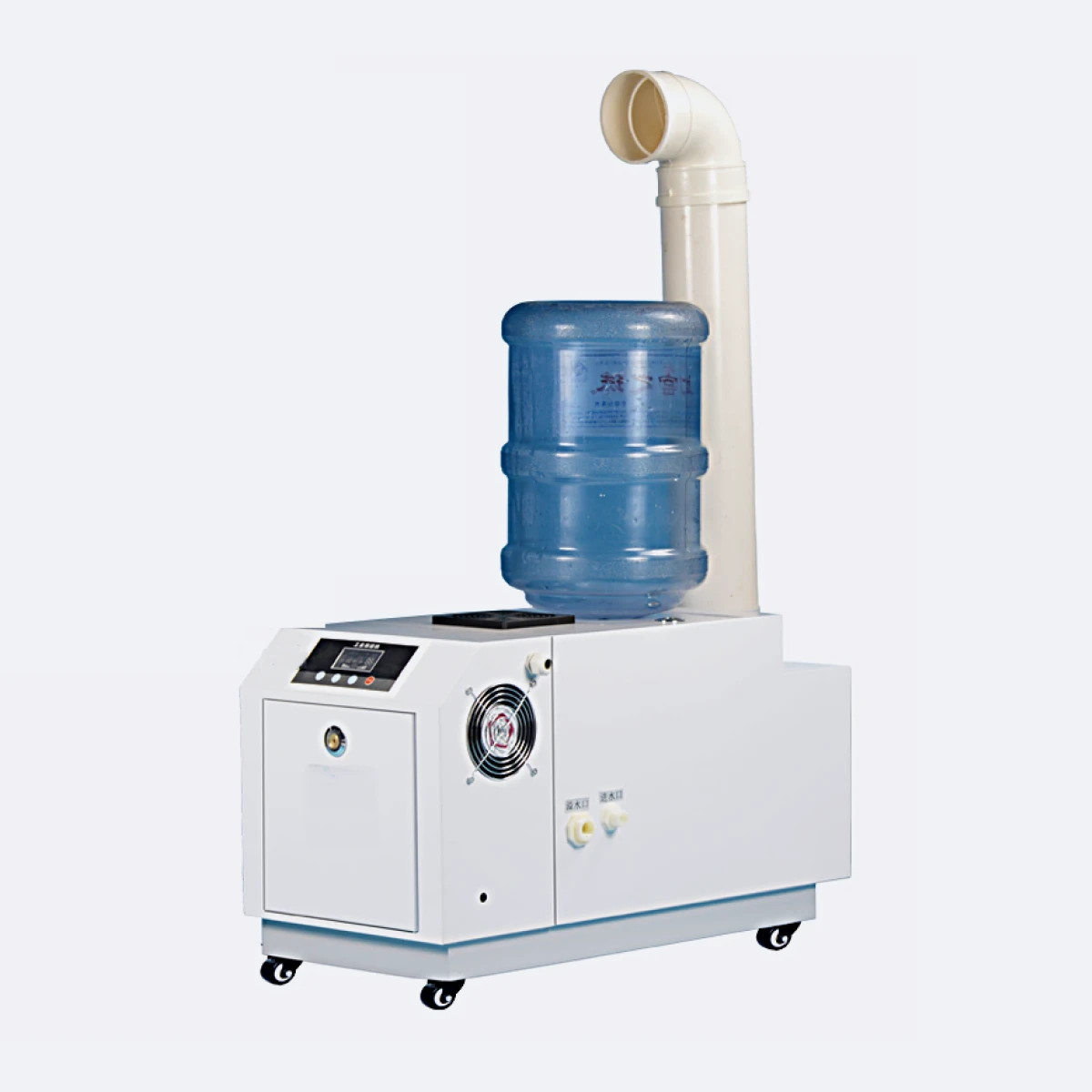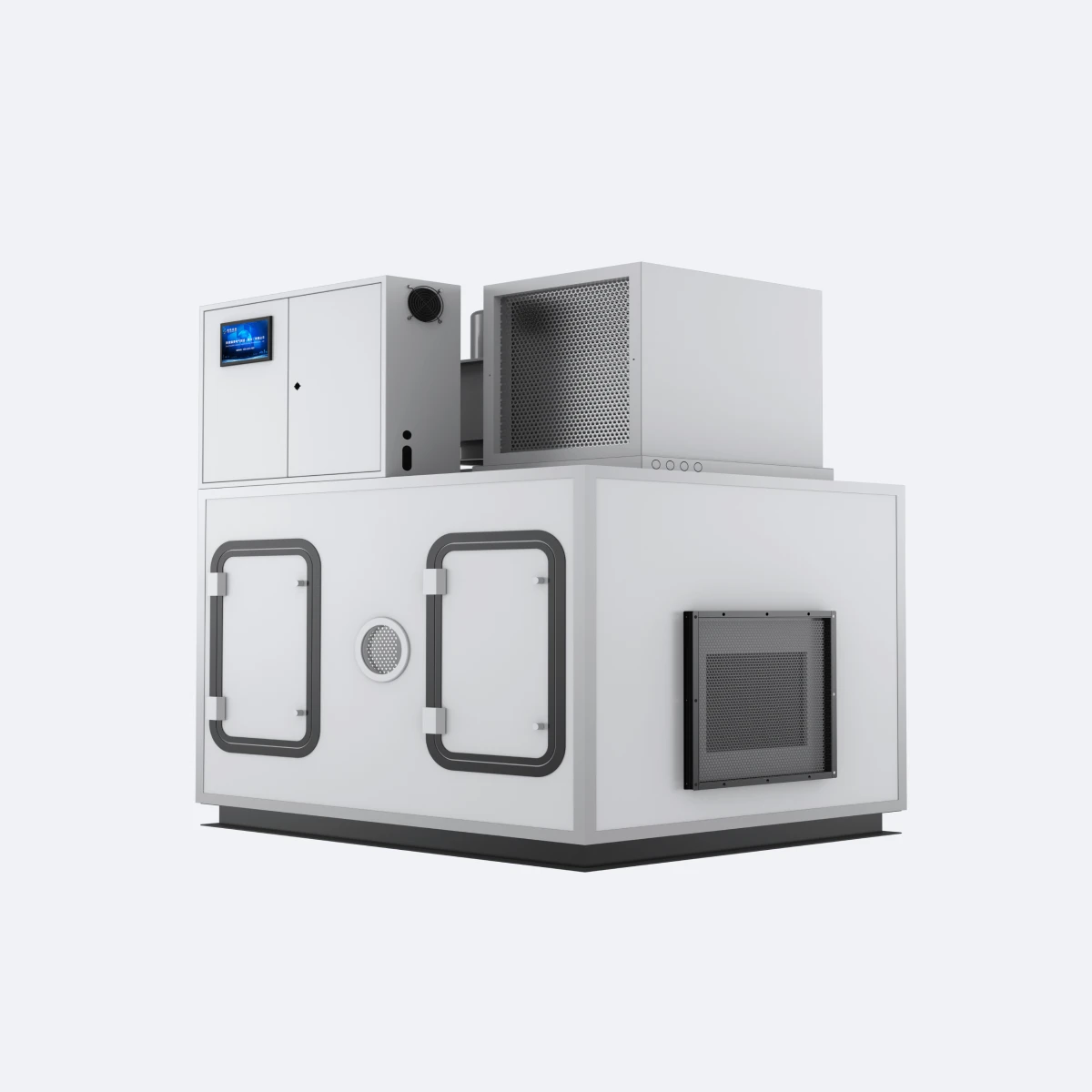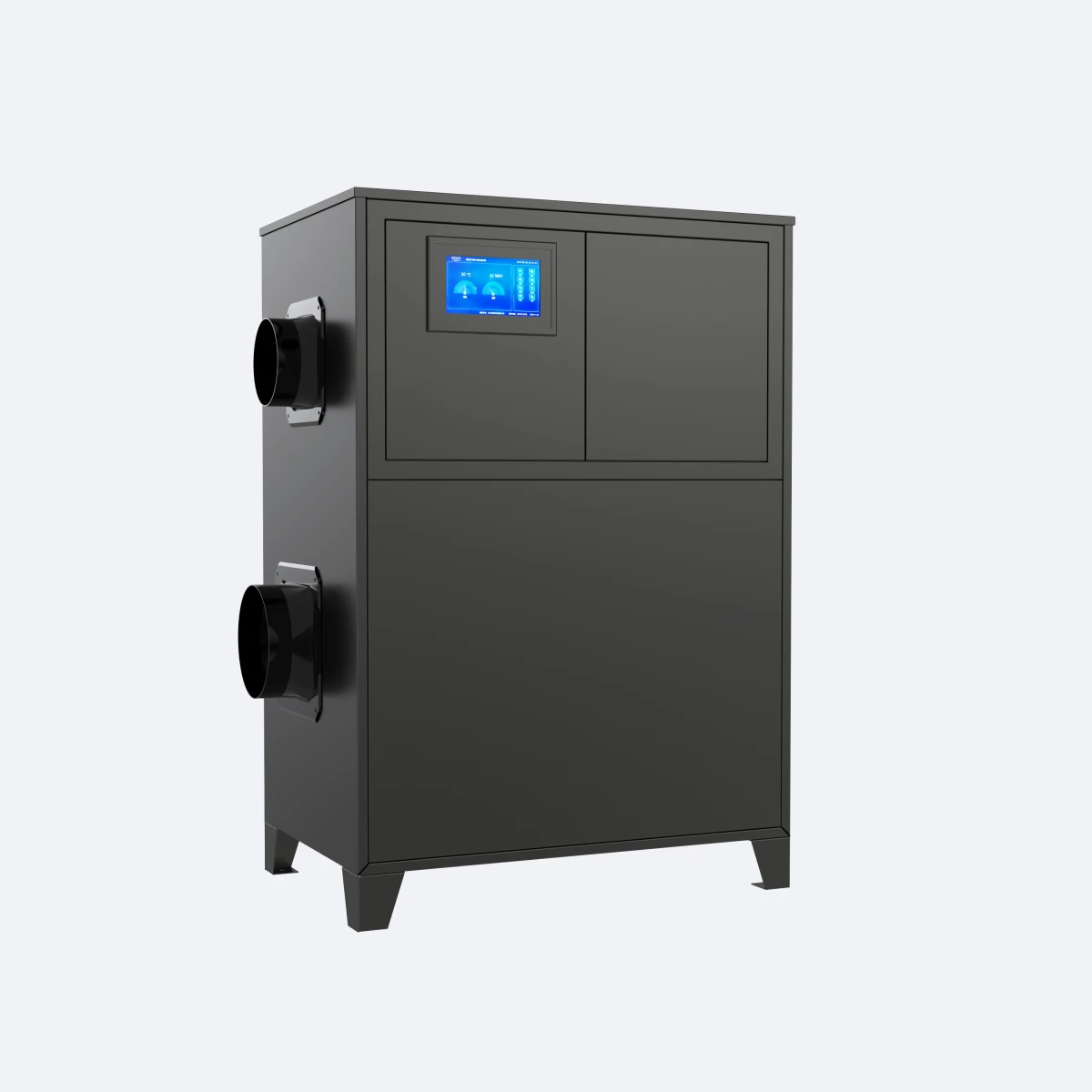
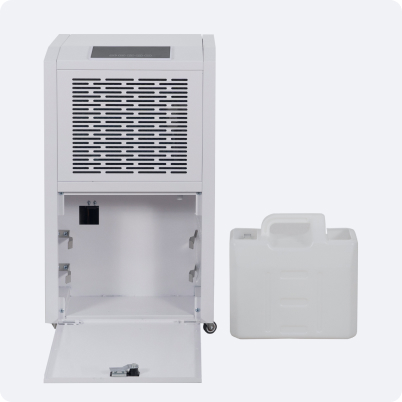
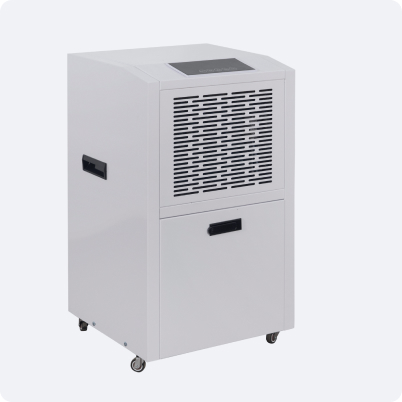
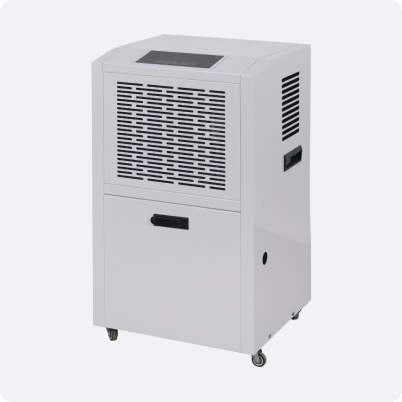
| Item | Specification |
|---|---|
| Dehumidification Capacity(30℃,80%RH) | 60L/D |
| Power Supply | 220V/50Hz |
| Rated Power | 850w |
| Noise Level | ≤45dB(A) |
| Air Circulation (m³/h) | 600 |
| working humidity range | 30-80% |
| Applicable Area | 40-80 |
| Working Temperature | 5-38℃ |
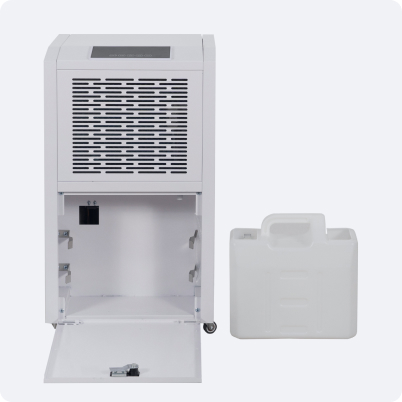
| Drainage Method | Water Tank+Water Pipe |
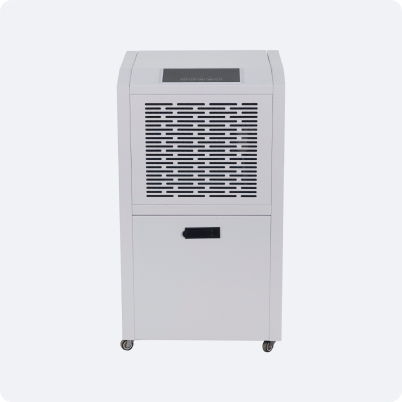
| Product Dimensions | 395×365×695mm |
| Packing Dimensions | 500*470*790mm |
| Refrigerant | R410/290A |
| Net Weight/Gross Weight | 32kg/34kg |
| FOB Shanghai(USD) | 248 |
Engineered for Continuous Regeneration: The Reusable Desiccant Dehumidifier
Heavy-duty industrial facilities cannot rely on static, consumable moisture control methods. When massive air volumes require continuous conditioning, a regenerative reusable desiccant dehumidifier is the required mechanical solution. Unlike disposable chemical absorbers that saturate and must be discarded, these active systems utilize an engineered honeycomb rotor impregnated with active silica gel or molecular sieves. This advanced adsorption matrix physically traps ambient water molecules and continuously regenerates itself, providing decades of uninterrupted moisture extraction without the need for constant consumable replacements.
Structural Durability of Washable and Reusable Moisture Extraction Units
The operational longevity of capital equipment depends on the resilience of its core components. We manufacture every chassis using heavy-gauge, double-walled galvanized steel to protect the internal mechanics. At the heart of these washable and reusable moisture extraction units is the desiccant rotor, which is highly resistant to surface flaking and degradation. In environments with heavy airborne particulates, the rotor itself can often be carefully washed to restore its adsorption capacity. Furthermore, the primary air intakes are protected by high-density, washable industrial pre-filters, ensuring that the system's efficiency is maintained through simple, low-cost routine cleaning.
Thermal Dynamics in Regenerative Reusable Humidity Controllers
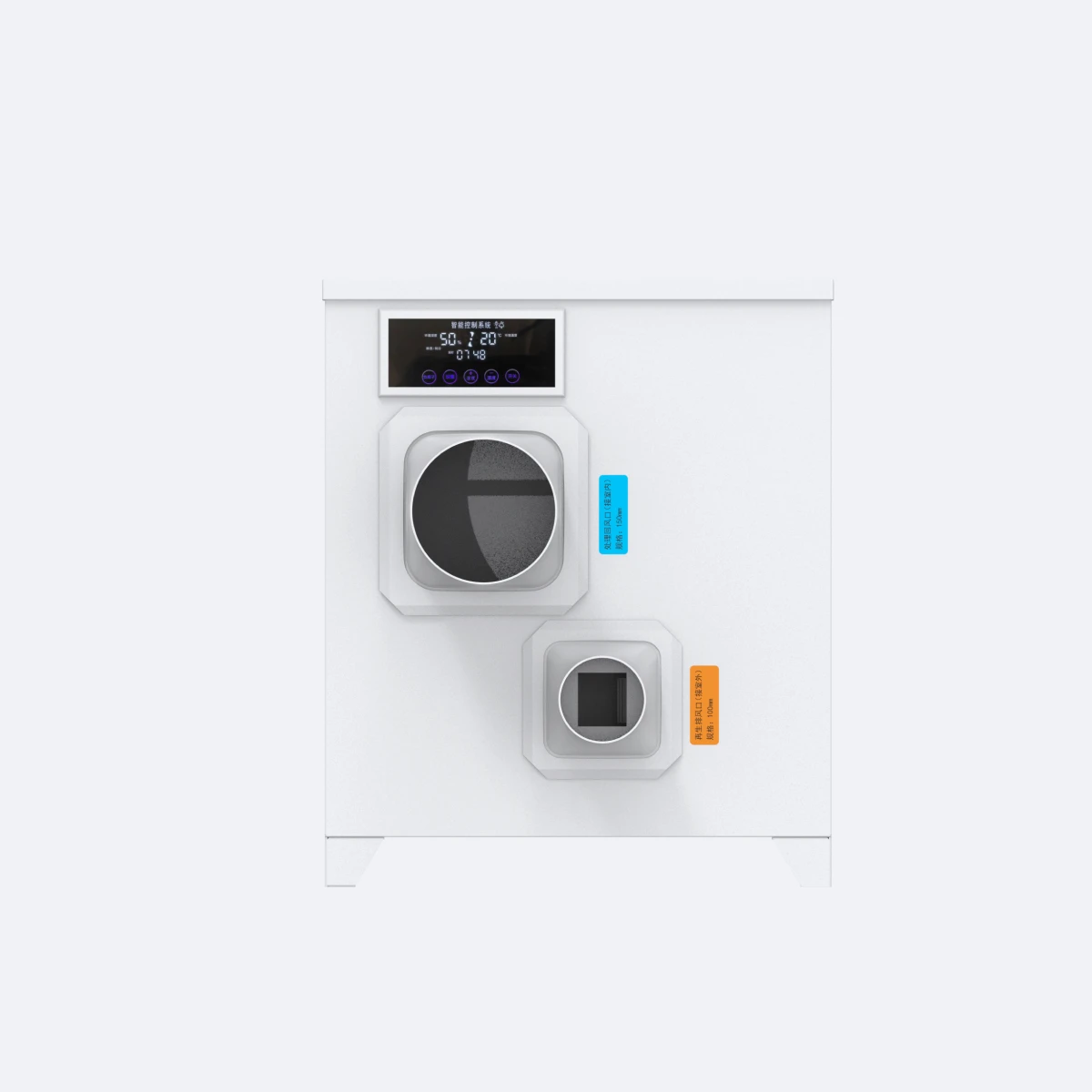
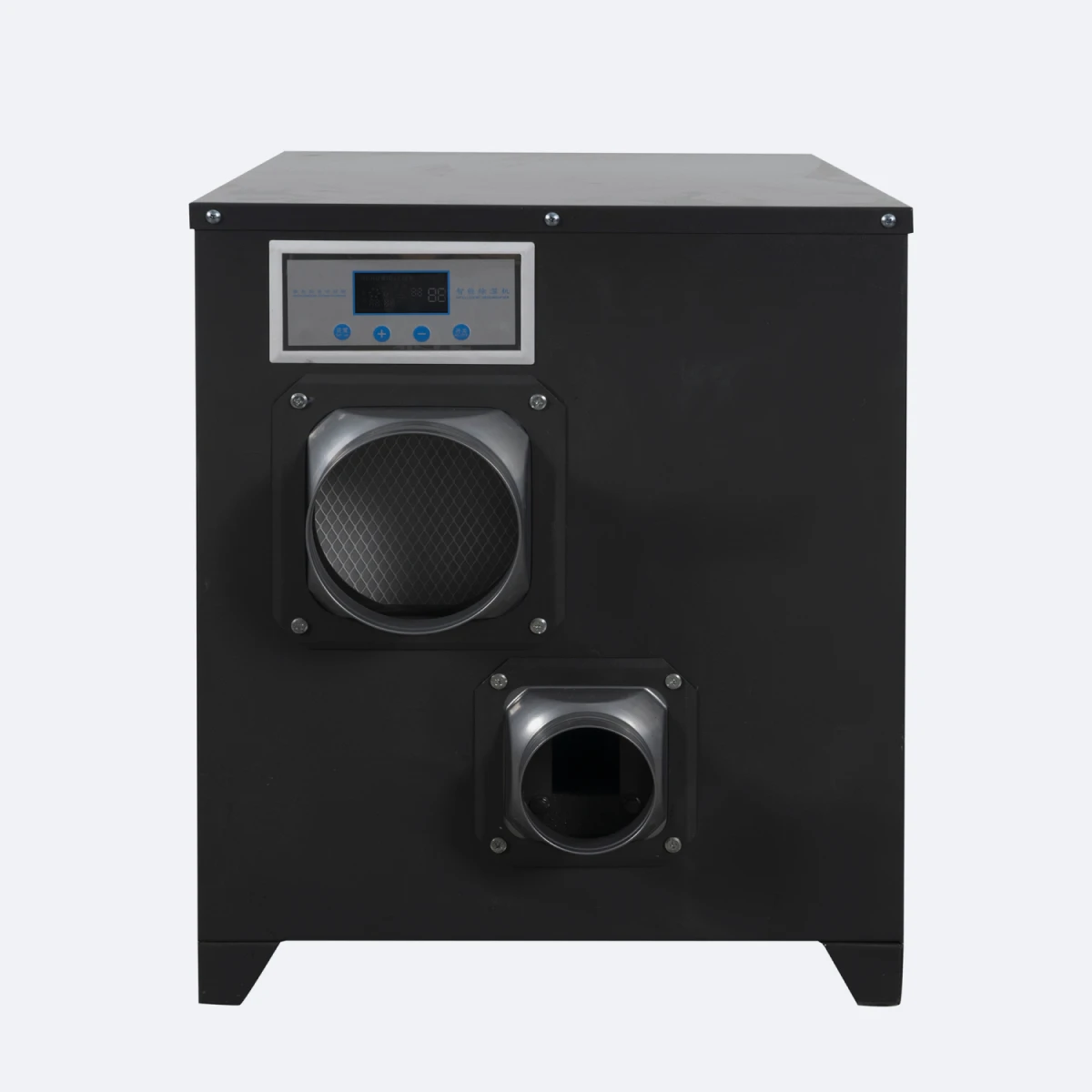
The ability of the equipment to continuously reuse its moisture-absorbing media relies on a synchronized, dual-stream airflow design. Inside regenerative reusable humidity controllers, the primary process air is drawn through the larger sector of the rotating matrix, where water vapor is captured. Simultaneously, a smaller, isolated sector of the wheel passes through a heated reactivation airstream. This thermal energy physically breaks the molecular bond between the desiccant and the water, vaporizing the moisture and exhausting it safely outside the building. This continuous thermal reactivation is what makes the adsorption cycle indefinitely repeatable.
Commercial Applications for Long-Lifespan Reusable Dampness Air Dryers
Sectors operating under strict environmental regulations require equipment that delivers reliable, long-term atmospheric stability. High-capacity, long-lifespan reusable dampness air dryers are deployed where standard refrigeration fails, particularly in low-temperature or ultra-low dew point environments. Critical applications include pharmaceutical processing cleanrooms to prevent powder agglomeration, lithium-ion battery manufacturing where atmospheric moisture is a severe safety hazard, and deep-freeze warehousing logistics where eliminating localized condensation prevents dangerous ice accumulation on evaporator coils and conveyor systems.
Autonomous Operation of Reusable Water Vapor Absorbers
Industrial mechanical infrastructure must integrate seamlessly into commercial plant architecture without requiring daily manual intervention from facility staff. We engineer all reusable water vapor absorbers for fully autonomous, long-term deployment. Because the extracted water is driven off entirely as vapor during the internal thermal reactivation cycle, there are no liquid water collection tanks to manually empty and no risk of internal freezing in sub-zero environments. The system’s operation is strictly governed by advanced digital PLCs and remote hygrostats, allowing facility managers to integrate the equipment directly into existing makeup air units (MAU) for continuous, hands-free environmental control.