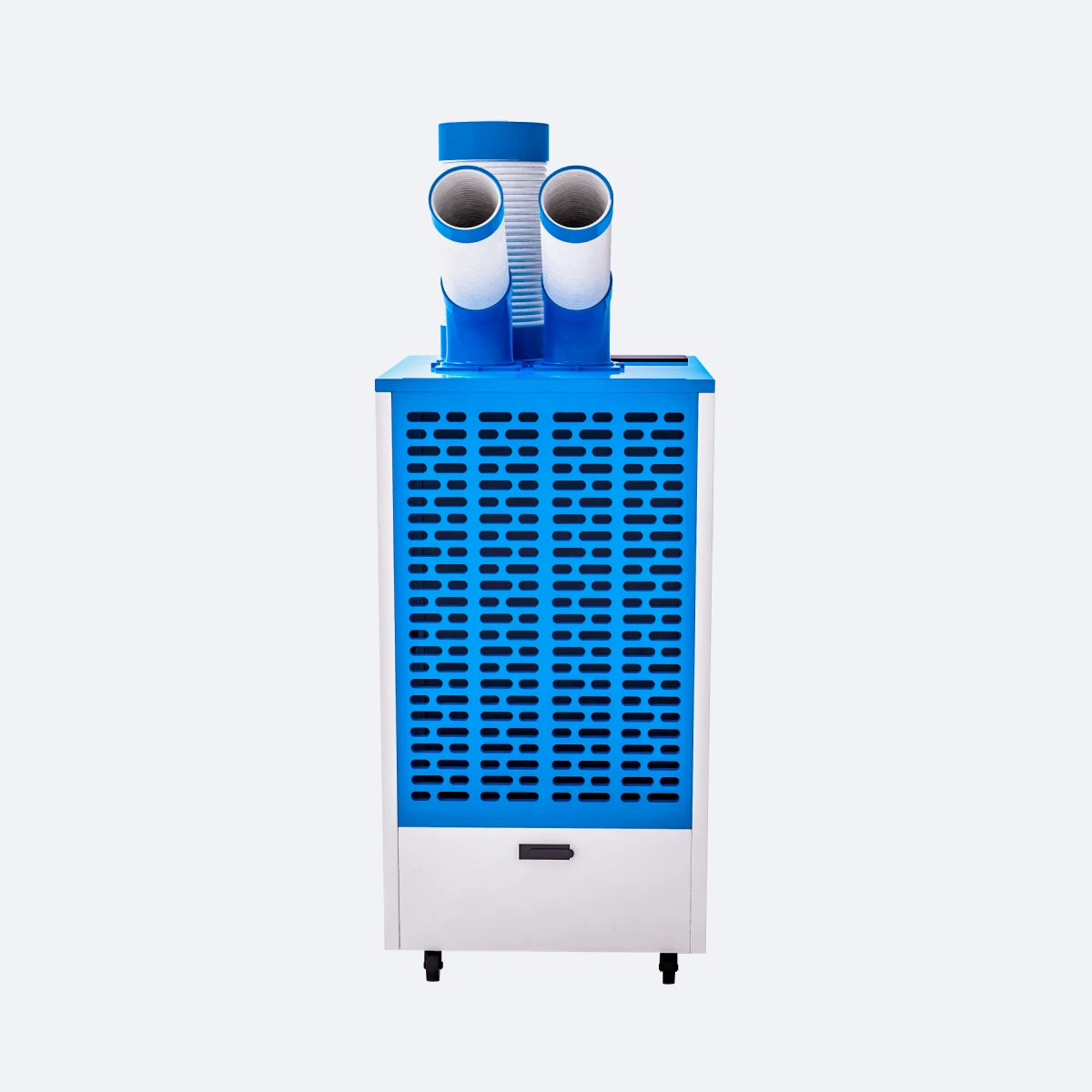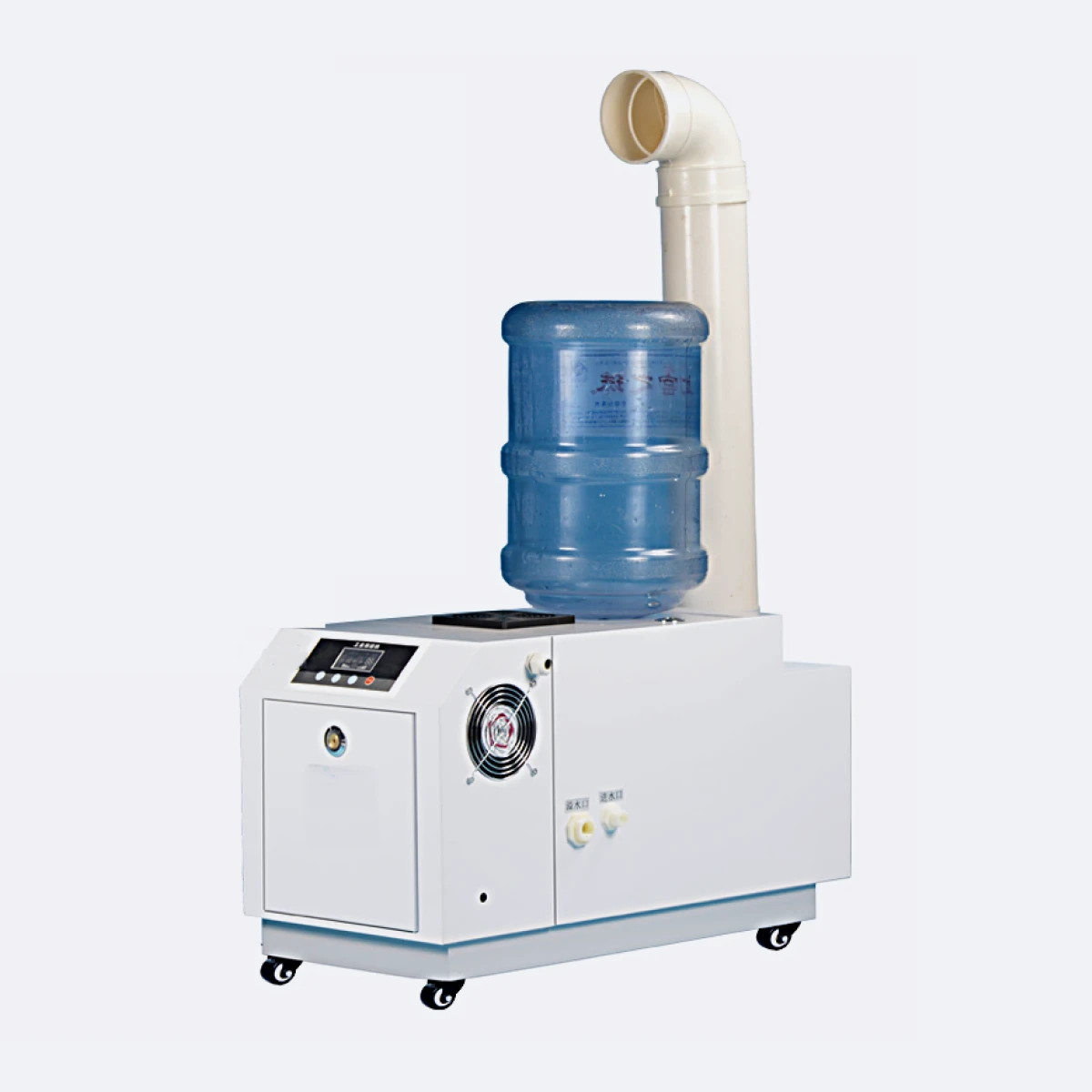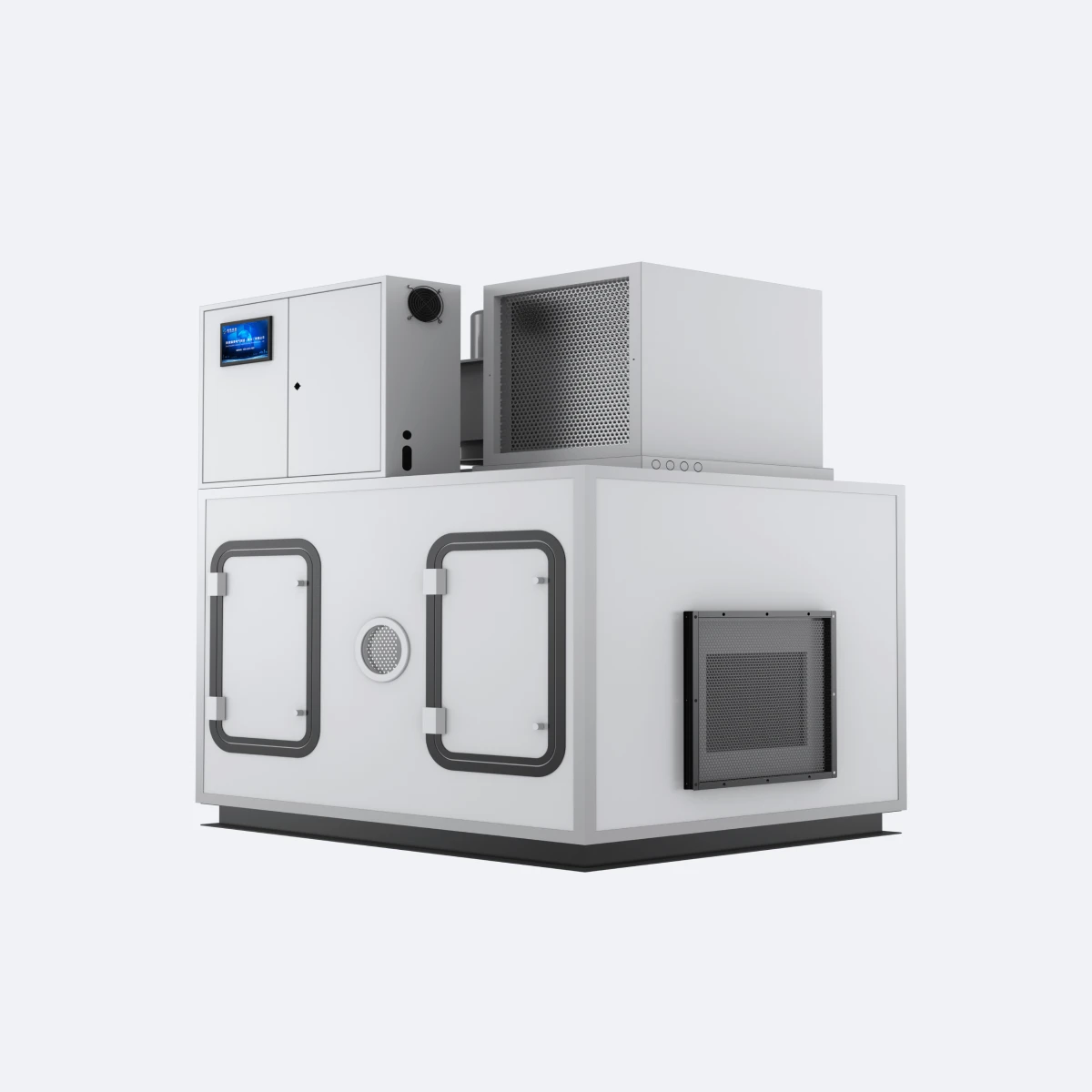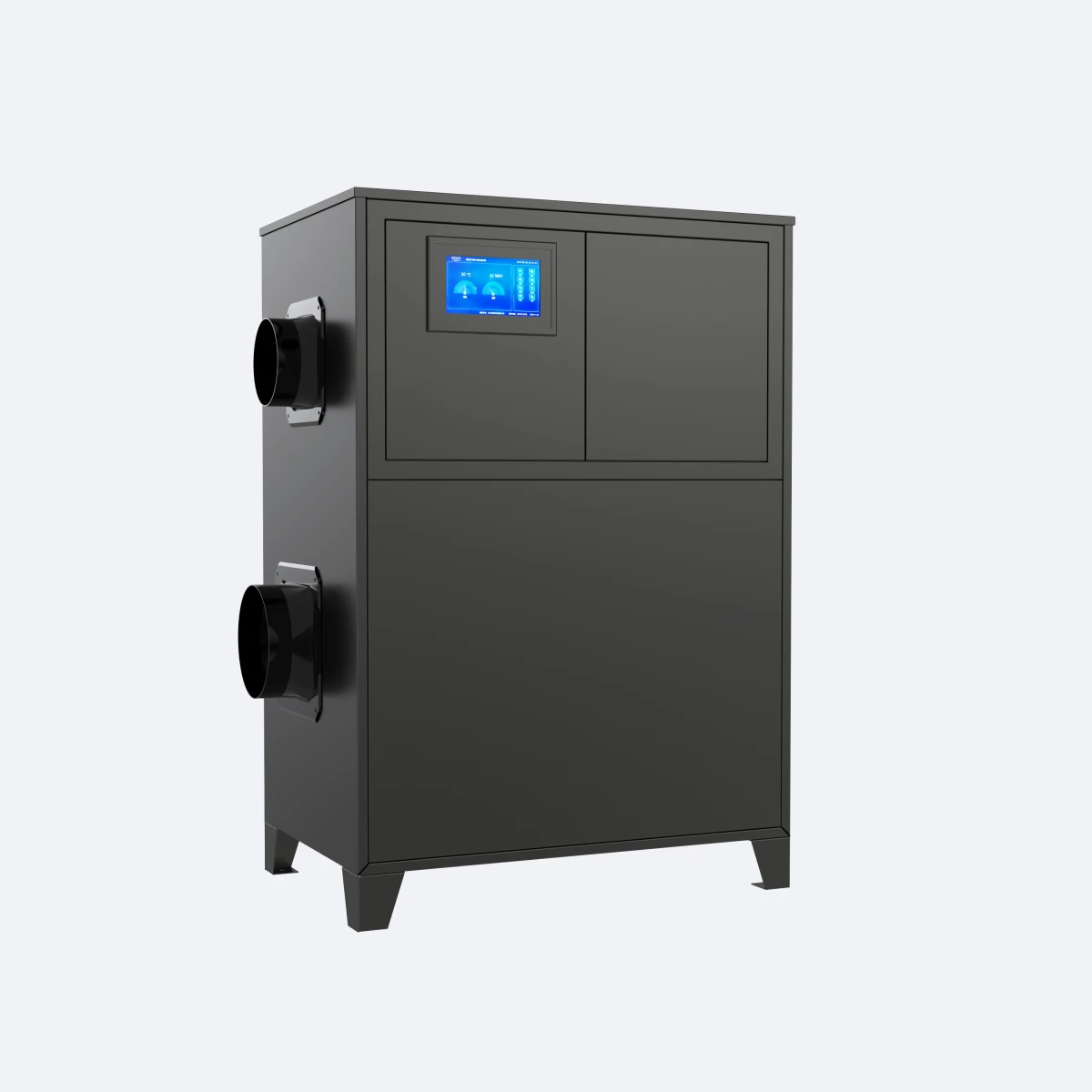
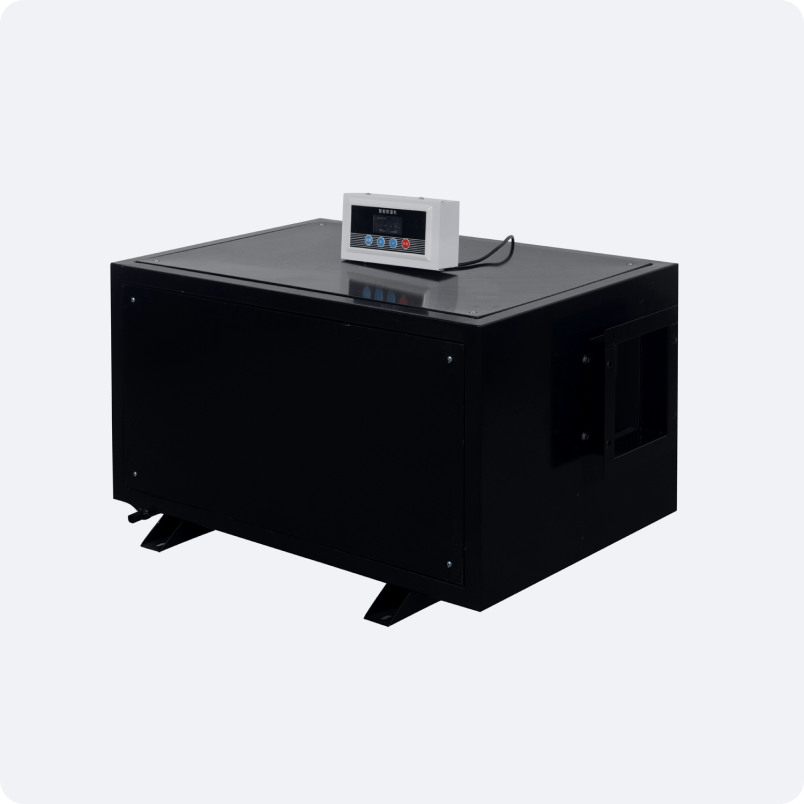
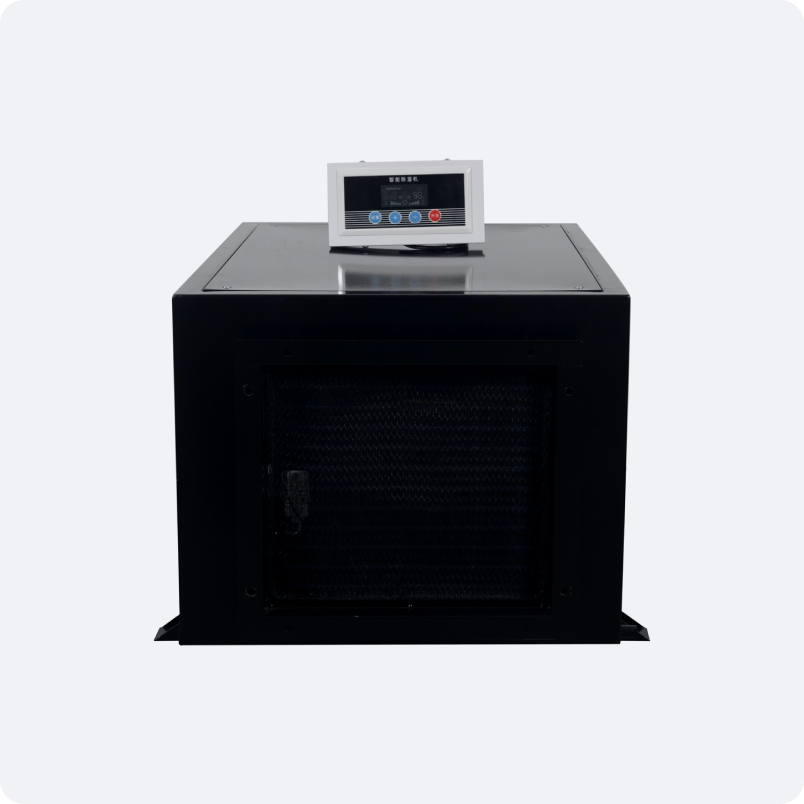
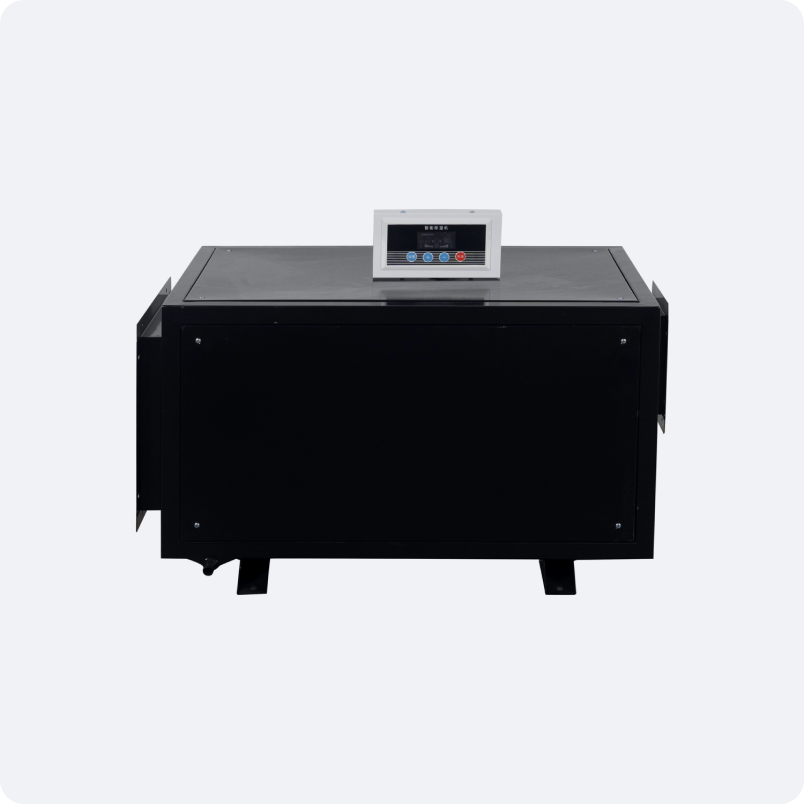
| Item | Specification |
|---|---|
| Dehumidification Capacity (30℃, 80%RH) | 90L/D |
| Power Supply | 220V/50Hz |
| Rated Power | 1250W |
| Noise Level | ≤55dB(A) |
| Air Circulation | 1200 m³/h |
| Working Humidity Range | 30-80% |
| Applicable Area | 80-120 ㎡ |
| Working Temperature | 5-38℃ |
| Drainage Method | Direct discharge via hose |
| Product Dimensions (L×W×H) | 800×540×470mm |
| Packing Dimensions (Carton) | 850×600×550mm |
| Refrigerant | R410a/550G |
| Net Weight / Gross Weight | 49kg / 51kg |
Engineered for Low Temperatures: Dehumidification Equipment for Winter
Managing moisture in cold environments presents a distinct thermodynamic challenge. As ambient temperatures drop, standard refrigeration-based drying systems lose their efficiency, and condensation rapidly freezes on the evaporator coils, causing mechanical failure. Our dehumidification equipment for winter is explicitly engineered to operate in these unheated spaces. By utilizing specialized low-temperature compressors and advanced adsorption technologies, these systems reliably extract water vapor from the air even when the facility temperature approaches or drops below freezing, preventing structural dampness and frost buildup.
Defrost Mechanics of a Cold Weather Moisture Extractor
When deploying condensation-based units in chilly environments (typically below 15°C or 59°F), ice accumulation is inevitable without mechanical intervention. To counteract this, we manufacture every cold weather moisture extractor with an integrated active hot gas bypass system. Instead of simply shutting down the compressor and waiting for the ambient air to slowly melt the ice, the system’s PLC detects frost formation and automatically redirects hot discharge gas directly back into the evaporator coils. This rapid thermal injection melts the ice in minutes, allowing the machine to quickly resume continuous moisture extraction without prolonged downtime.
Industrial Storage Protection with a Winter Season Humidity Control System
Unheated warehousing and transit facilities are highly susceptible to drastic temperature fluctuations during the colder months. This shifting environment creates extreme dew point risks, leading directly to condensation on cold metal surfaces. Deploying a robust winter season humidity control system is mechanically necessary to protect raw materials and fabricated components in storage. By maintaining a strict, low vapor pressure environment, facility managers can effectively prevent micro-rusting and galvanic corrosion on sensitive stored inventory, such as raw aluminum alloys like ADC12 and machined motorcycle cylinder heads, ensuring they remain in pristine condition prior to assembly or final delivery.
Adsorption Technology in a Low-Temperature Air Dryer
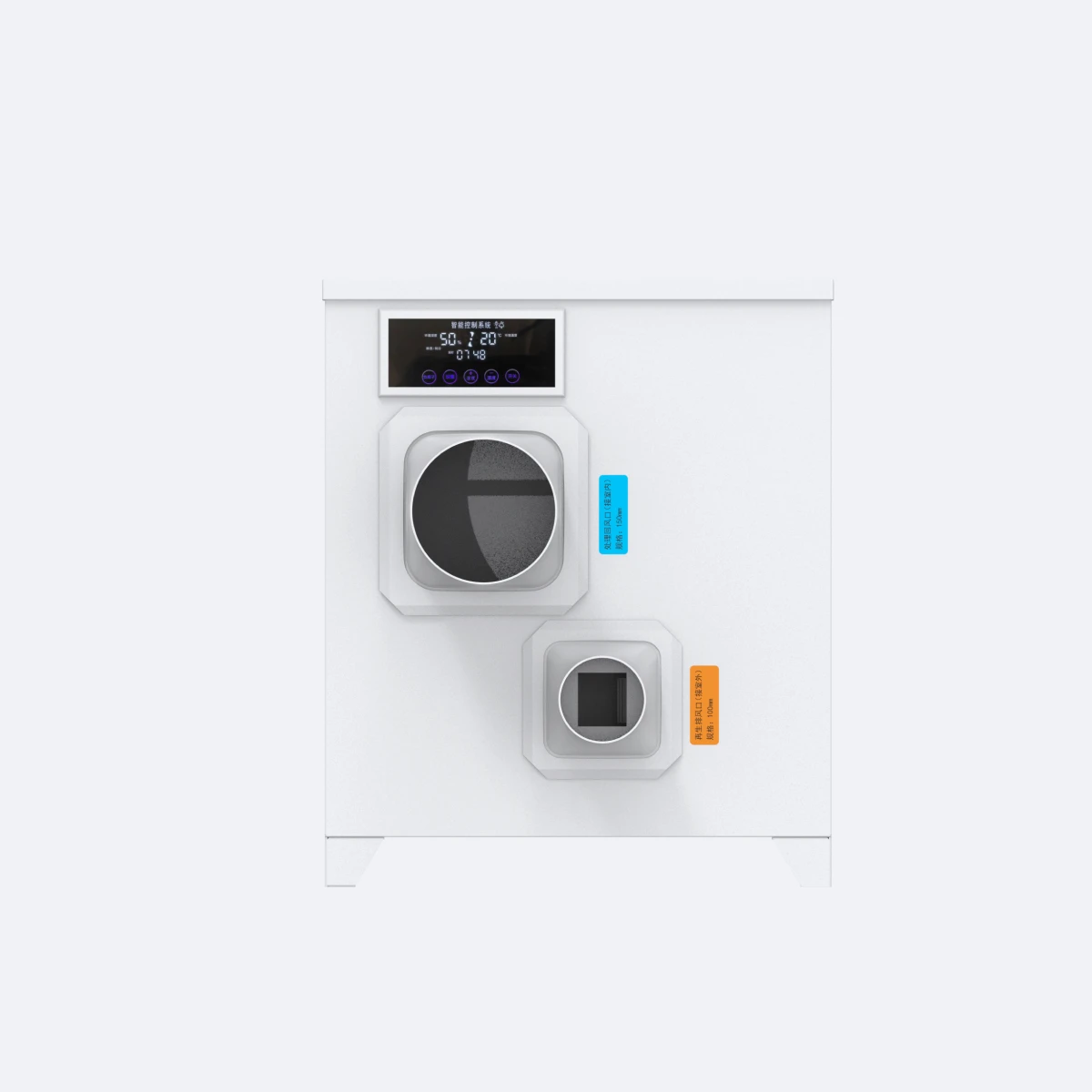
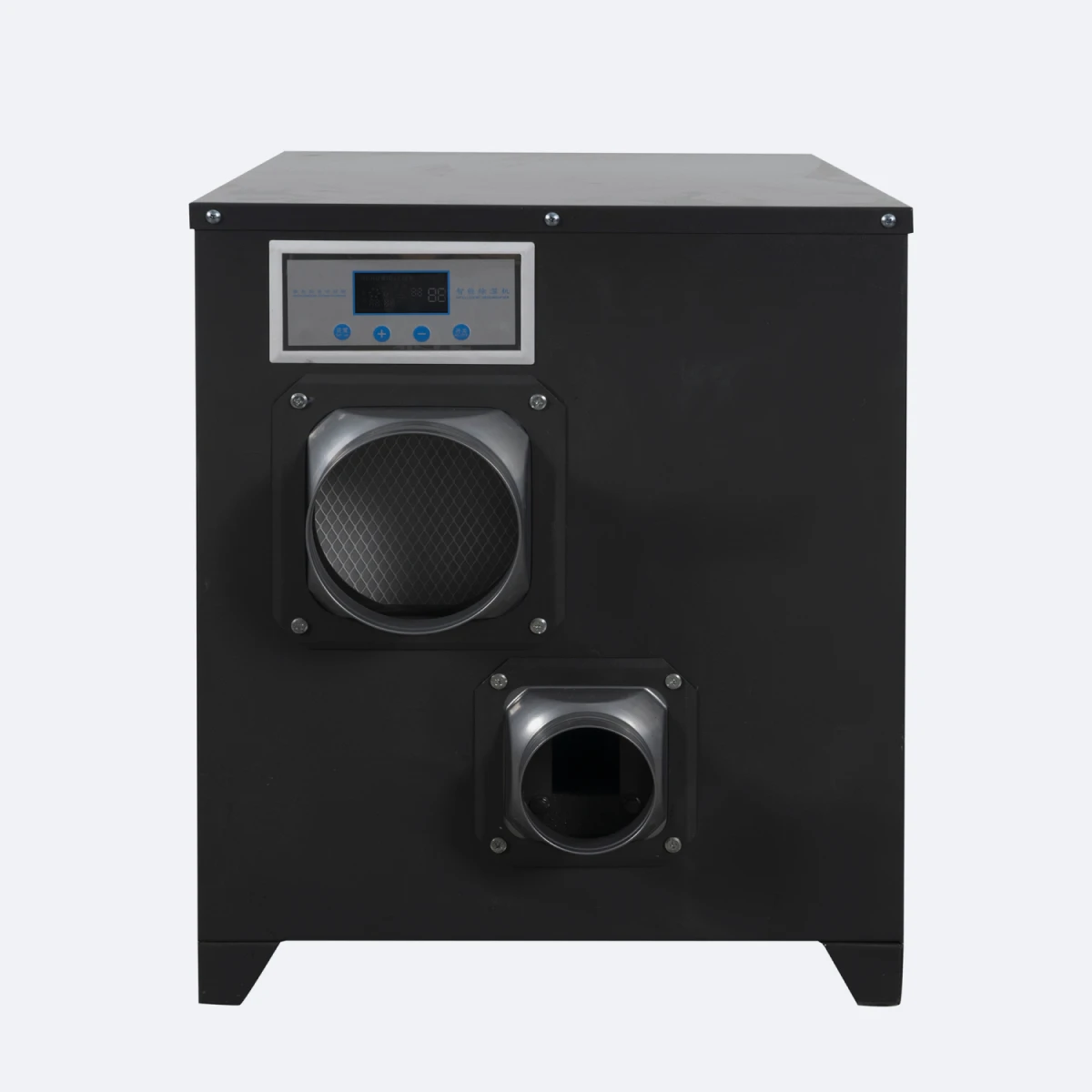
For environments that consistently operate at or below freezing, traditional refrigeration cycles are mechanically insufficient. In these scenarios, a desiccant-based low-temperature air dryer is the required engineering solution. Instead of relying on cooling coils, this equipment utilizes a continuously rotating honeycomb matrix impregnated with silica gel to physically adsorb moisture directly from the cold air stream. Because this process is entirely independent of condensation and dew points, the machinery delivers aggressive, uninterrupted humidity reduction in sub-zero conditions, making it the standard for cold storage logistics and deep-freeze industrial applications.
Facility Integration of a Cold Climate Dehumidifying Unit
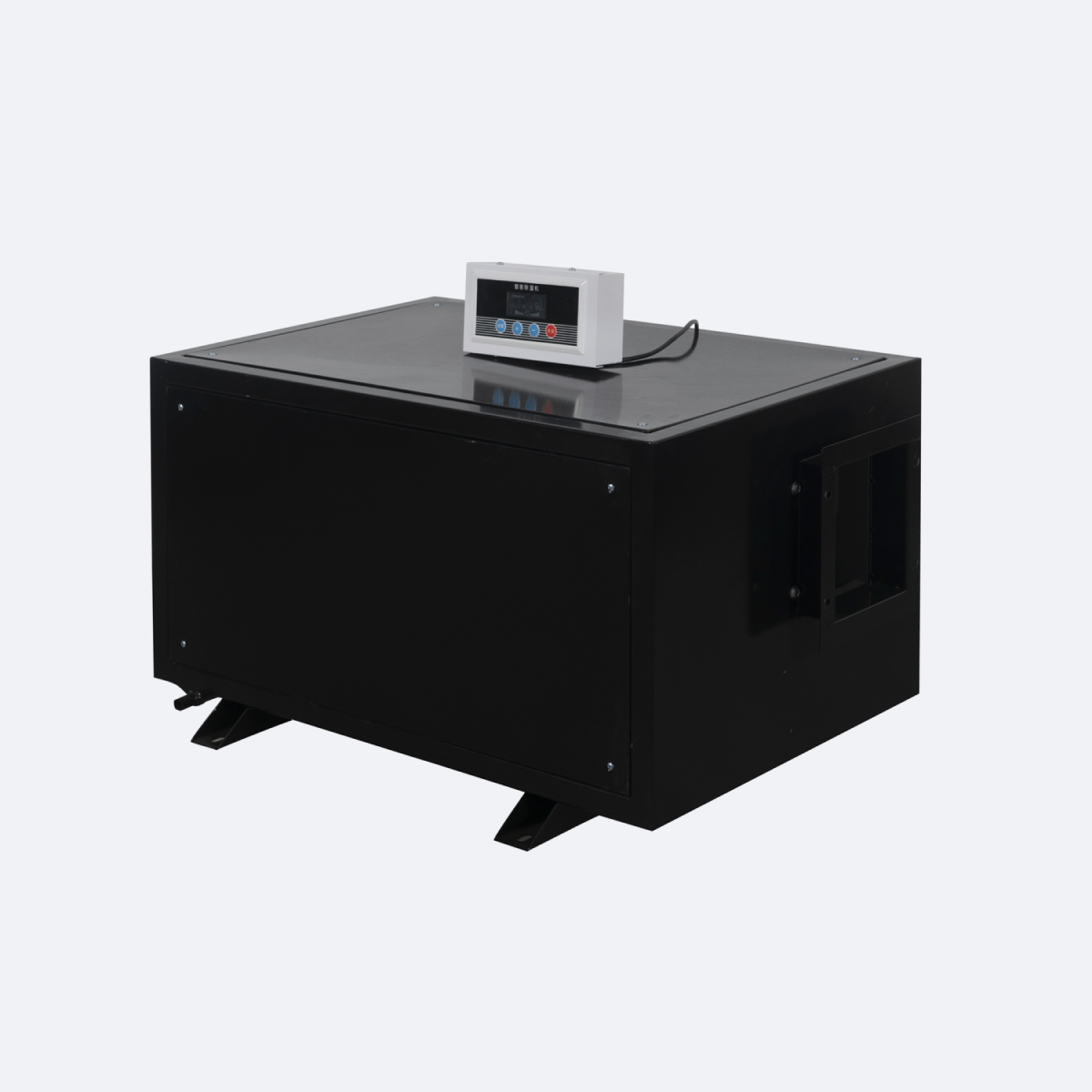
Machinery exposed to freezing conditions must be structurally insulated against thermal loss and physical degradation. We construct the chassis of every cold climate dehumidifying unit using double-walled, heavy-gauge steel with internal thermal breaks to prevent exterior sweating and protect the internal electrical contactors from extreme temperature shifts. For long-term autonomous operation, water routing is critical; therefore, the automated continuous drainage systems can be configured with insulated or heat-traced condensate lines. This ensures that the extracted water is safely expelled from the building without the risk of the drainage pipes freezing and rupturing during severe winter operations.