| Item | Specification |
|---|---|
| Dehumidification Capacity (30℃, 80%RH) | 56L |
| Power Supply | 220V/50Hz |
| Rated Power | 850W |
| Noise Level | ≤50dB(A) |
| Air Circulation | 550 m³/h |
| Humidity Adjustment Range | 30-80% |
| Applicable Area | 130 ㎡ |
| Working Temperature | 5-38℃ |
| Drainage Method | Direct discharge via hose |
| Product Dimensions (L×W×H) | 800×496×400mm |
| Packing Dimensions (Carton) | 850×520×450mm |
| Refrigerant | R290/130G |
| Net Weight / Gross Weight | Approximately 20kg |
| FOB Shanghai (USD) | 275 |
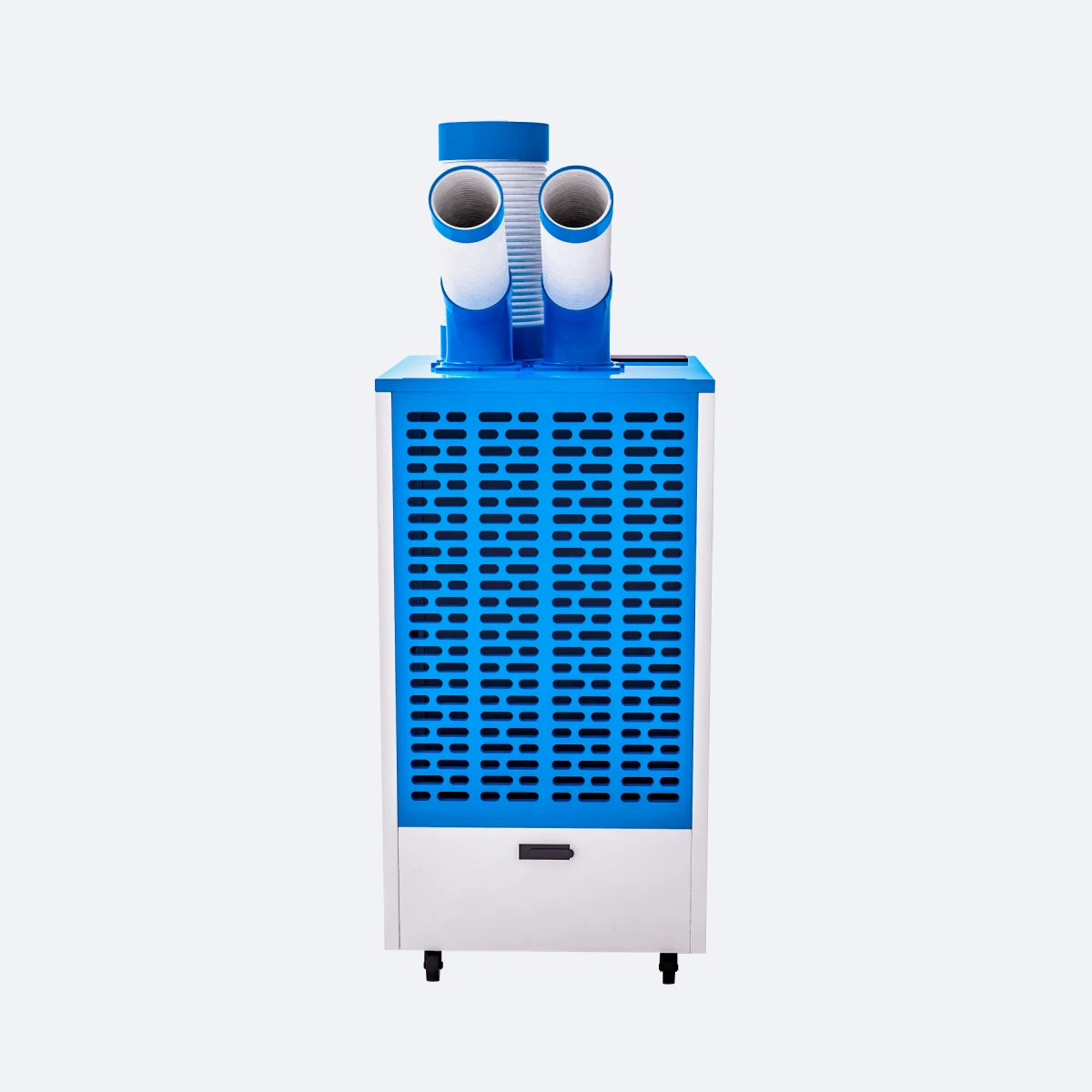
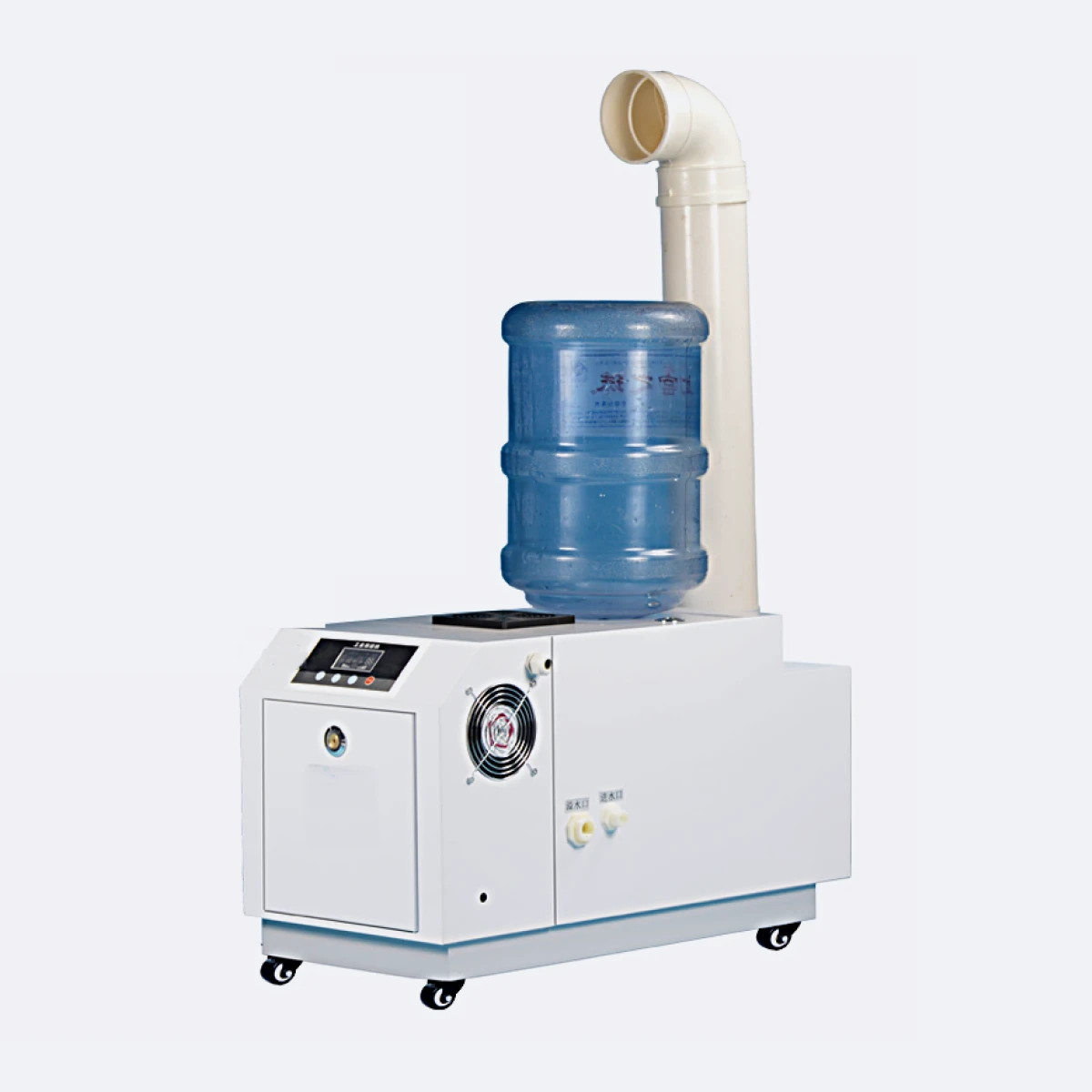
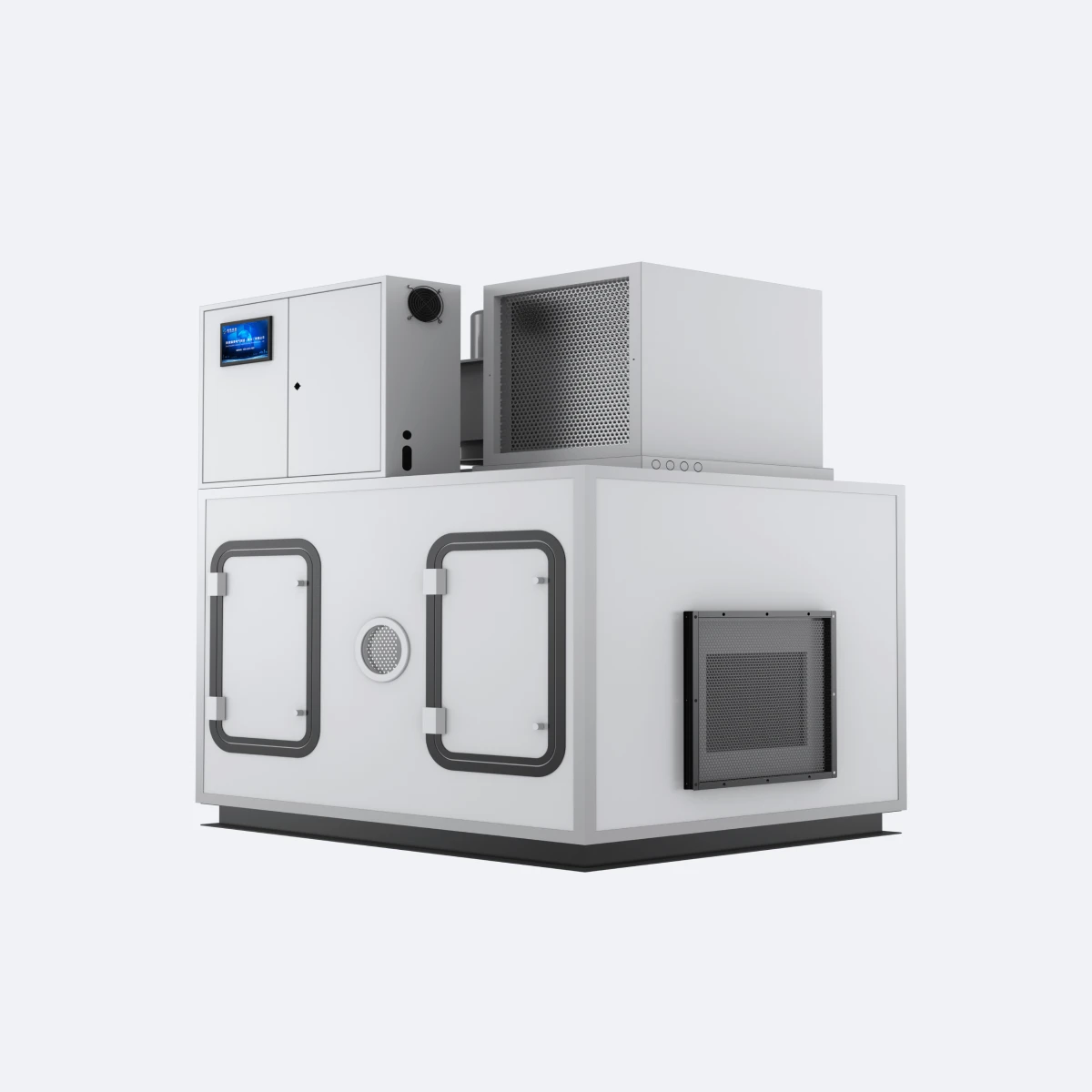
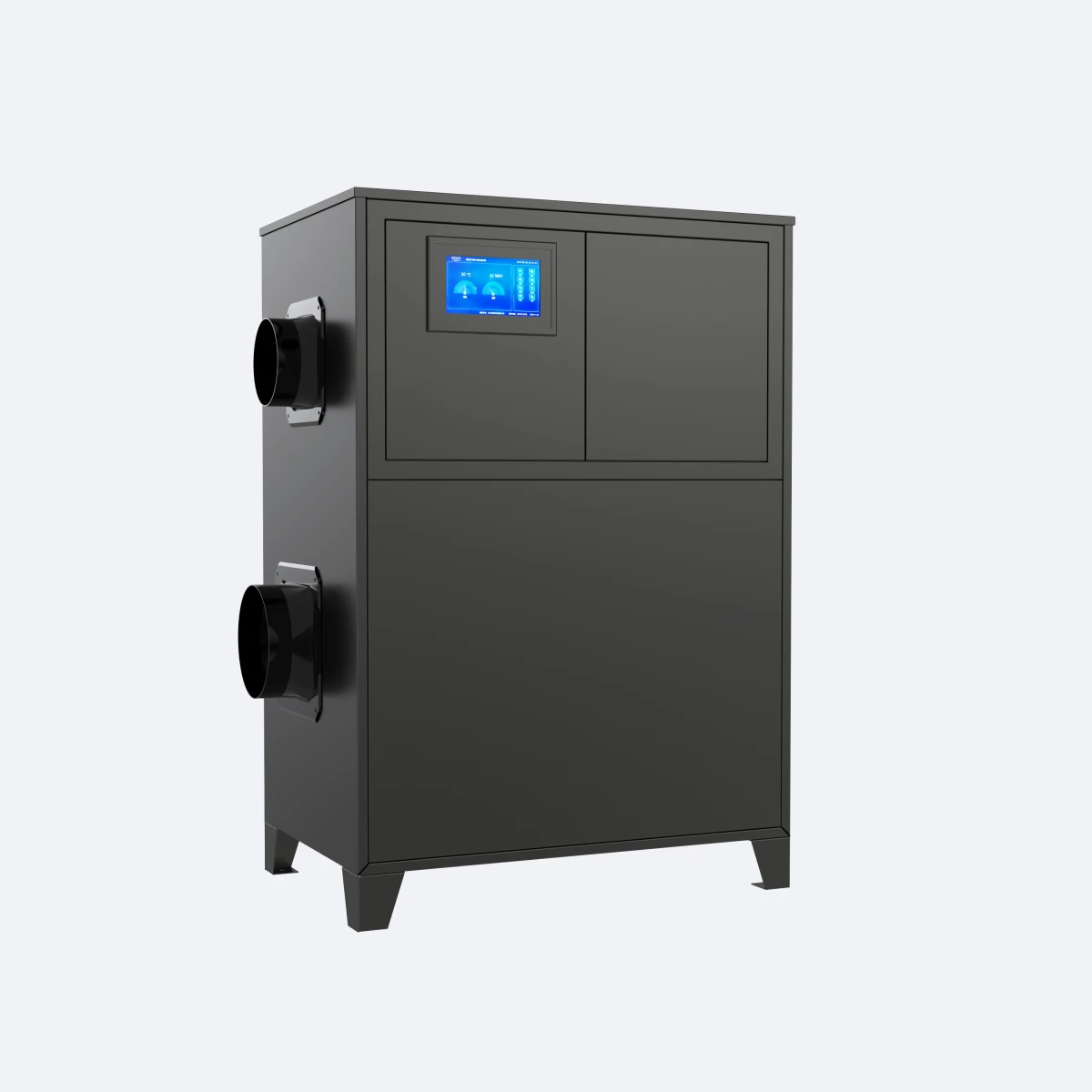
Engineered for Regulated Environments: The Indoor Dehumidification Unit
Maintaining strict environmental baselines within enclosed commercial architecture is a fundamental requirement for operational stability. When exterior ambient humidity infiltrates a sealed building envelope, standard HVAC cooling is often insufficient to process the latent moisture load. A dedicated indoor dehumidification unit is structurally engineered to intercept this rogue humidity. By continuously drawing in saturated ambient air and mechanically stripping the excess water vapor, these high-efficiency systems ensure that the internal microclimate remains completely stabilized, preventing the localized dew point from fluctuating and causing condensation across the facility floor.
Inventory Protection with an Internal Moisture Extractor
Fluctuating indoor humidity levels present a severe financial risk to B2B warehousing and distribution centers. Hygroscopic materials immediately absorb suspended atmospheric water, leading to rapid inventory degradation. Deploying a commercial-grade internal moisture extractor acts as a primary physical safeguard. For example, maintaining a strictly dry atmosphere prevents premium office furniture inventory from absorbing moisture, which causes wood warping and veneer delamination. Similarly, regulating the environment in logistics centers protects bulk boxed goods, such as B2B children's apparel, from developing musty odors and mildew during long-term palletized storage.
Acoustic and Spatial Design of the Interior Space Air Dryer
Equipment deployed within actively occupied manufacturing zones or commercial storage areas must balance heavy-duty moisture extraction with non-disruptive operation. The mechanical architecture of an interior space air dryer is optimized for these specific operational realities. To minimize acoustic interference, the internal rotary compressors are mounted on heavy-duty vibration isolators, and the centrifugal fans are aerodynamically balanced to reduce wind shear noise. Furthermore, the external chassis is designed with a low-profile, freestanding footprint, allowing facility managers to deploy the machinery directly onto the production floor without obstructing high-traffic forklift lanes or assembly workflows.
Precision Regulation via an Inside Humidity Controller
Complex manufacturing and assembly processes demand exacting atmospheric tolerances to prevent component failure. An inside humidity controller is critical infrastructure for facilities assembling sensitive electronic hardware. By strictly holding the relative humidity (RH) between 40% and 50%, the equipment eliminates the risk of electrostatic discharge (ESD) and prevents micro-condensation from forming on printed circuit boards. This precision regulation is mandatory when assembling intricate products like electronic smart pet devices, automated litter boxes, and the digital control panels of industrial pumping systems, ensuring consistent factory yield and product reliability.
Automated Maintenance of an Indoor Moisture Removal System
Commercial mechanical infrastructure must operate autonomously to minimize daily maintenance liabilities for facility personnel. We manufacture every indoor moisture removal system with intelligent, self-regulating components. The equipment is governed by digital PLC systems and integrated hygrostats that automatically cycle the refrigeration process based on real-time indoor environmental loads, optimizing overall power consumption. To handle the continuous extraction of water, these units bypass standard collection tanks entirely. Instead, they utilize continuous gravity drainage ports or integrated high-lift condensate pumps, safely routing the extracted water directly to the building's internal plumbing network without human intervention.