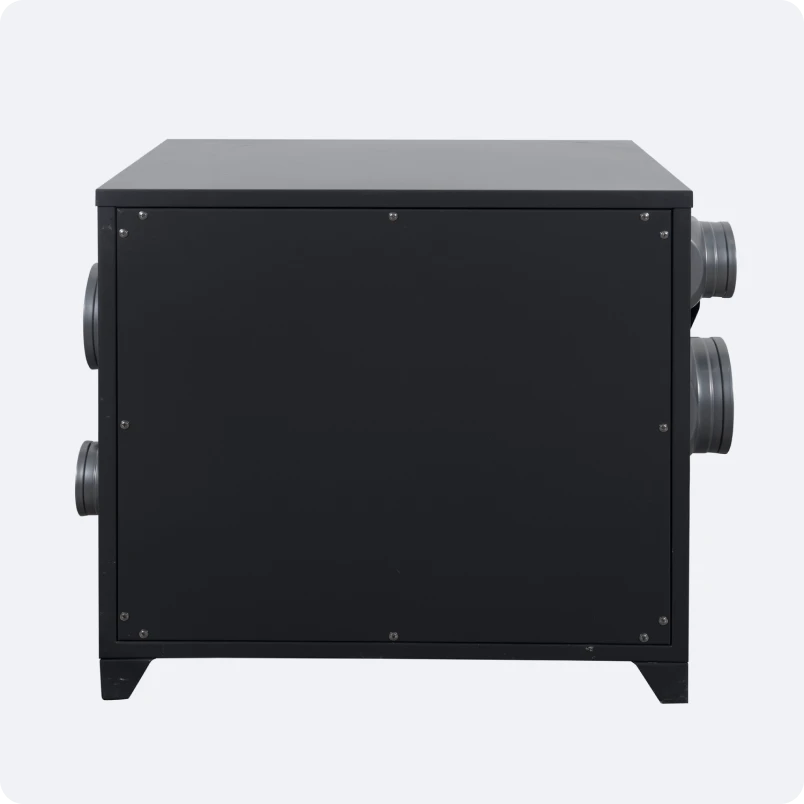
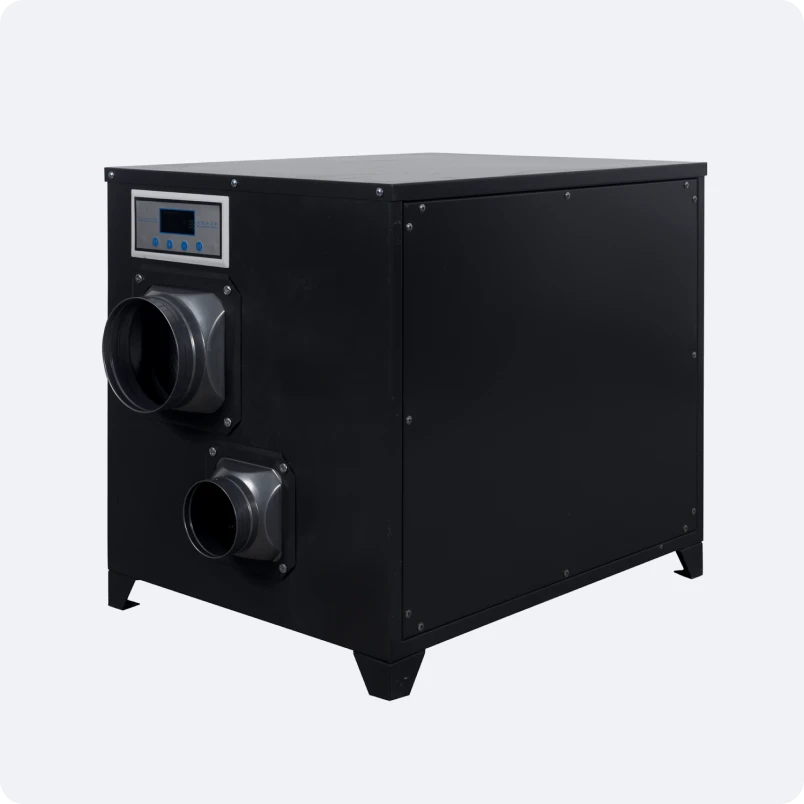
| Item | ROD-D |
|---|---|
| Power Supply (V/Hz) | 220V |
| Process Air Volume (m³/h) | 500 |
| Dehumidification Capacity (kg/h) | 2.4-2.5 |
| Max Dehumidification (kg/h) | 2.5 |
| Dehumidification (L/D) | 60 |
| Regeneration Air Volume (m³/h) | 165 |
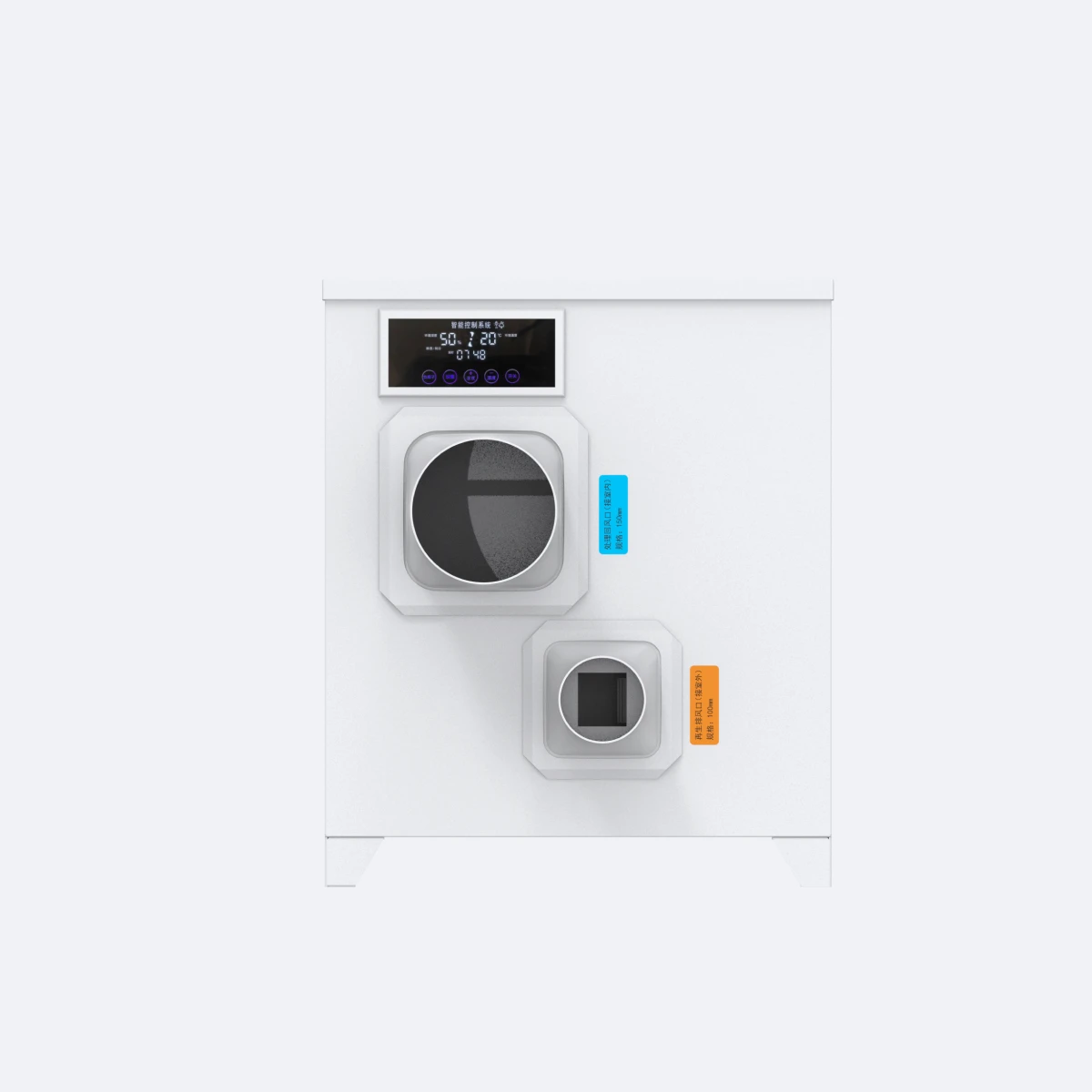
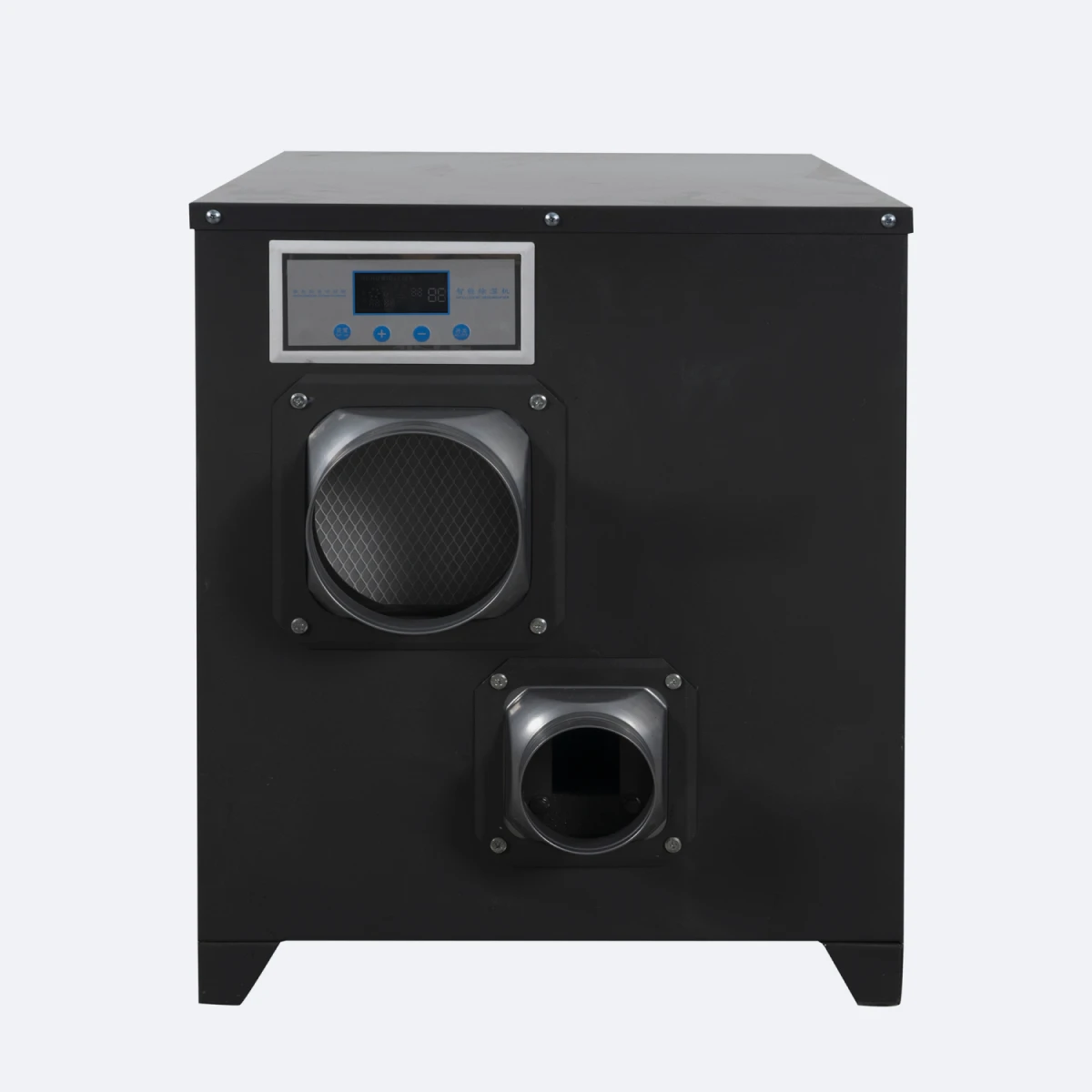
| Process Inlet/Outlet Diameter (mm) | 150/150 |
| Regeneration Inlet/Outlet Diameter (mm) | 100/100 |
| Operating Current (A) | 23 |
| Regeneration Heating Power (kW) | 4 |
| Total Power (kW) | 5 |
| Packing Weight (kg) | 65 |
| Net Weight (kg) | 58 |
| Estimated Packing Dimensions (mm) | 800×525×640 |
| Appearance Dimensions (mm) | 785×515×610 |
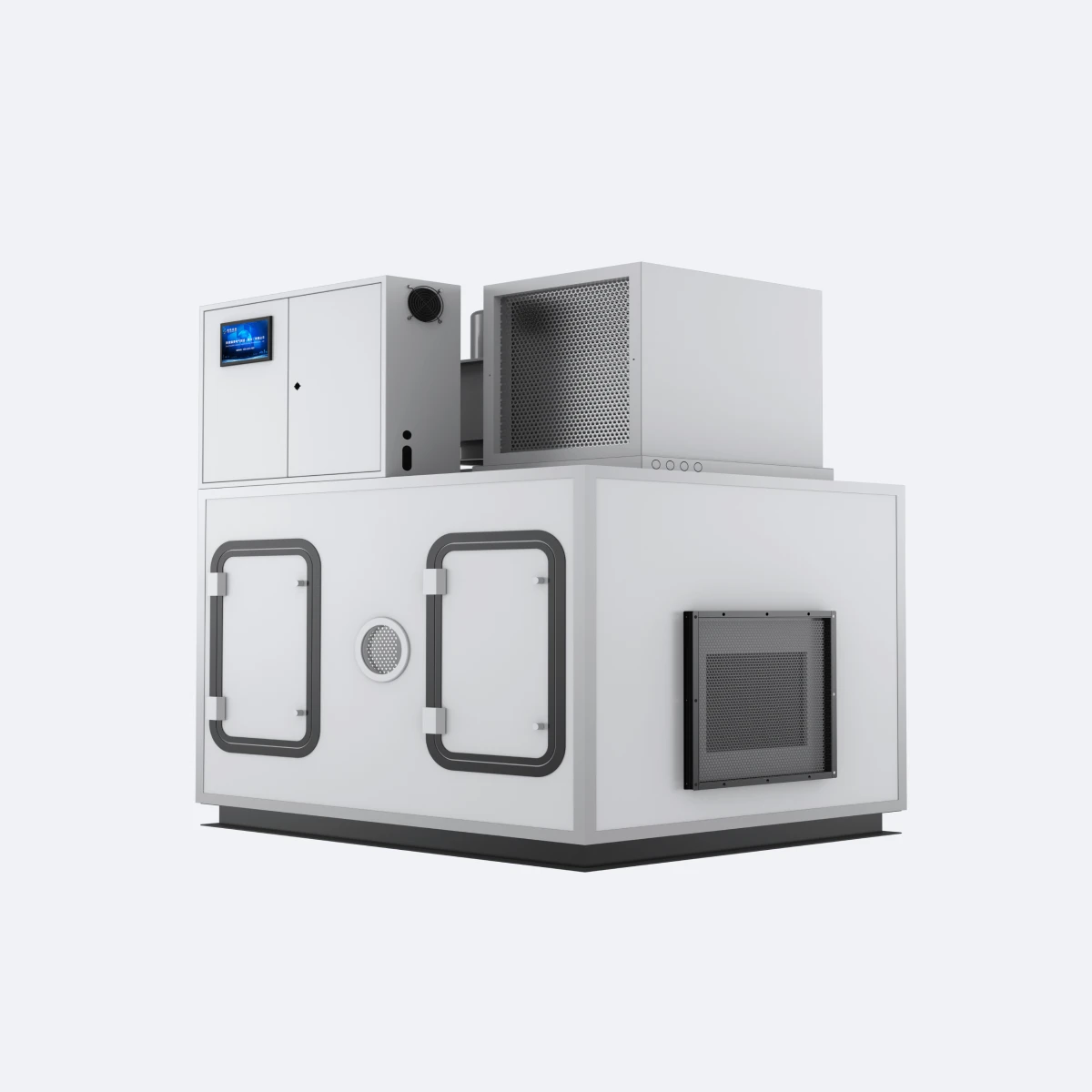
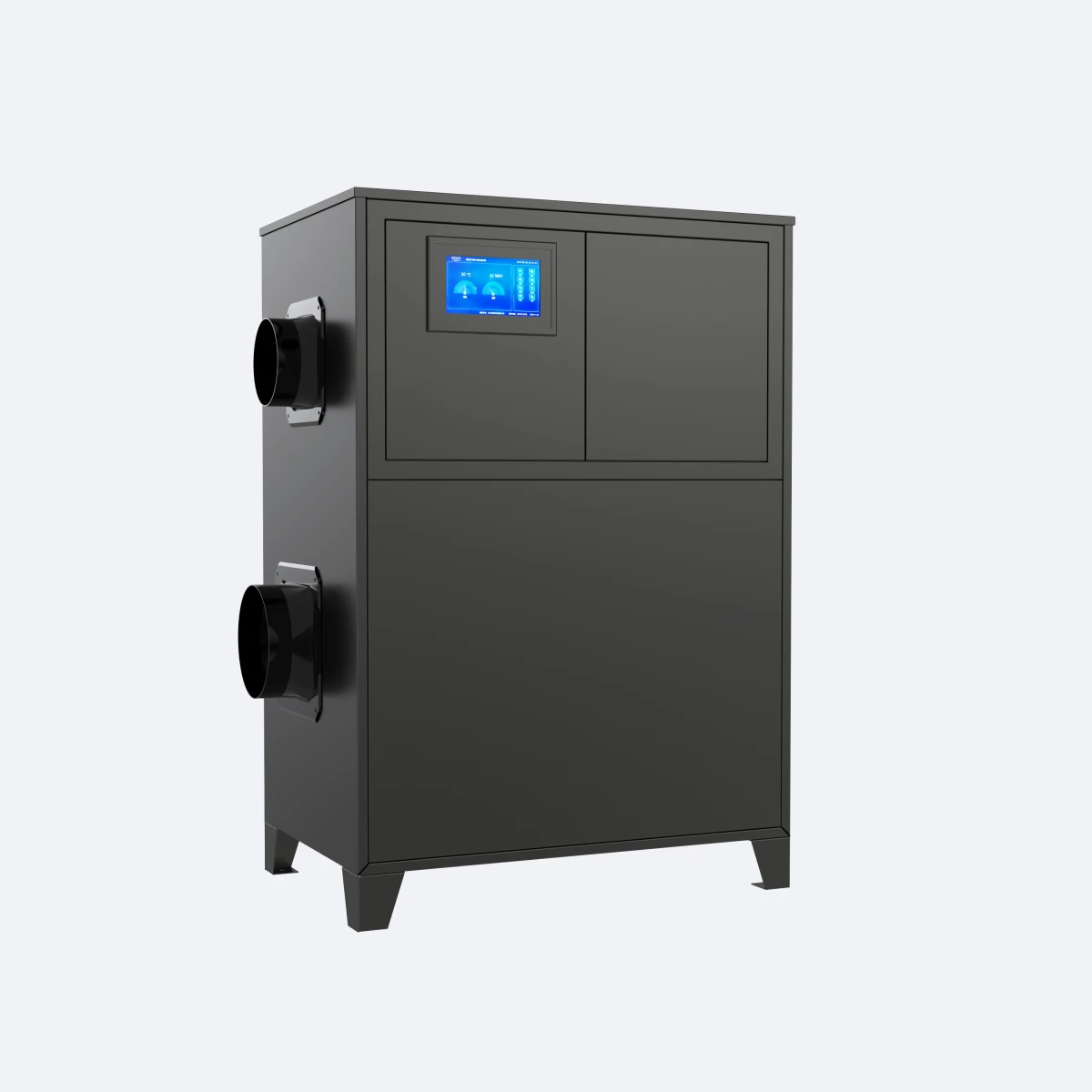
Engineered Precision with a Desiccant Wheel Dehumidification System
When industrial processes dictate strictly controlled, ultra-low humidity environments, standard condensation-based cooling is mechanically insufficient. Our equipment utilizes a specialized desiccant wheel dehumidification system to physically extract water vapor from the airstream. The core of this system is a highly porous cylindrical rotor, typically impregnated with silica gel or a molecular sieve. As humid process air passes through the flutes of this slowly turning rotor, the desiccant matrix adsorbs the moisture directly, discharging deeply dried air into your facility regardless of the surrounding ambient temperature.
Thermal Dynamics of the Rotary Adsorption Moisture Removal Unit
Continuous industrial operation relies on the ability of the equipment to regenerate its moisture-absorbing capacity without interruption. The rotary adsorption moisture removal unit achieves this through a synchronized dual-airstream design. While the primary section of the wheel absorbs moisture from the room, a secondary, counter-flowing airstream—heated via electric, steam, or gas—passes through a isolated segment of the wheel. This reactivation heat drives the trapped water molecules out of the desiccant silica and exhausts them externally, ensuring the system operates reliably 24/7 without freezing or losing efficiency.
Critical Applications for an Industrial Desiccant Rotor Dehumidifier
Because this technology does not rely on cooling air below its dew point, it is the standard solution for environments requiring extremely low vapor pressure or operating in sub-zero conditions. An industrial desiccant rotor dehumidifier is a critical infrastructure component across several strict manufacturing sectors. Key applications include dry rooms for lithium-ion battery assembly, pneumatic conveying systems in pharmaceutical plants to prevent powder caking, deep-freeze cold storage to eliminate ice buildup on conveyor systems, and food processing lines where moisture causes biological degradation.
Structural Integrity of Our Continuous Rotary Drying Equipment
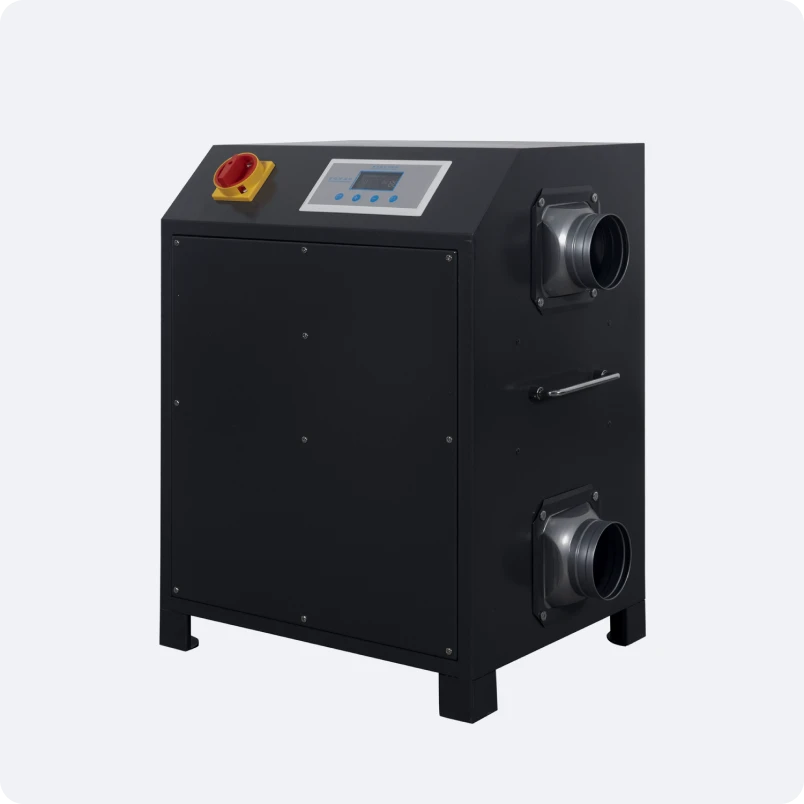
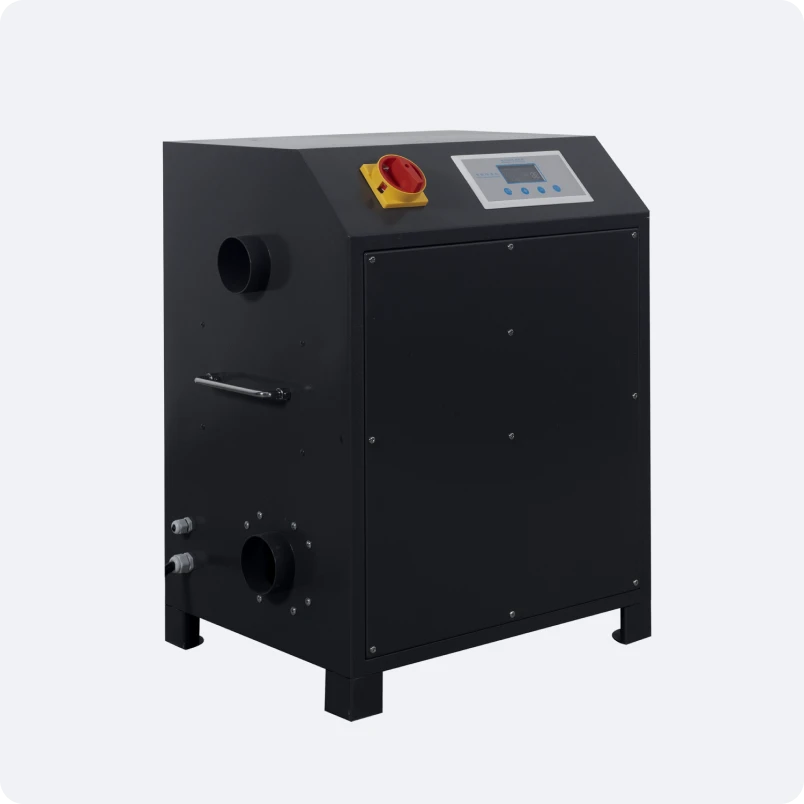
Machinery deployed in heavy industrial settings must be structurally sound to prevent energy loss and mechanical failure. Shishuo manufactures continuous rotary drying equipment using heavy-gauge, double-walled insulated cabinetry. This thermal break construction prevents exterior condensation and minimizes internal heat loss from the reactivation sector. Furthermore, the internal framework is engineered to maintain absolute structural rigidity, ensuring that the high-temperature perimeter seals separating the process and reactivation airstreams remain perfectly aligned to prevent cross-contamination.
Operational Longevity and Maintenance of the Rotary Solid Desiccant Air Dryer
Predictable maintenance and long-term durability directly impact the total cost of ownership for facility managers. The core of the rotary solid desiccant air dryer is highly resilient; the adsorption rotor does not degrade over time like granular desiccants and can often be washed if exposed to heavy particulate contamination. Standard maintenance is highly straightforward, requiring only routine replacement of the pre-filters to protect the rotor's surface, periodic inspection of the drive belt, and verification of the internal gear motor. Integrated PLC controls monitor system performance in real-time, providing diagnostic data to streamline servicing.