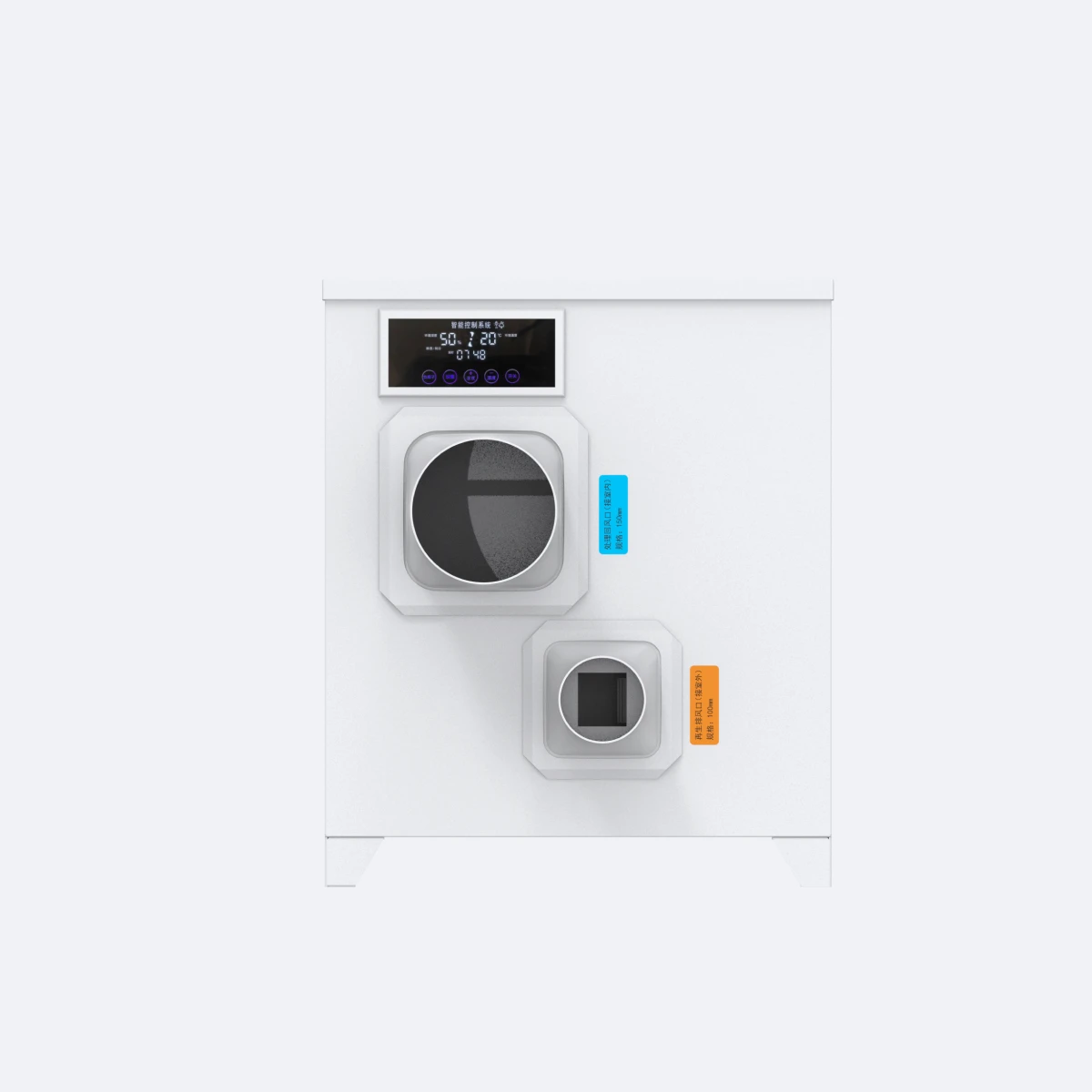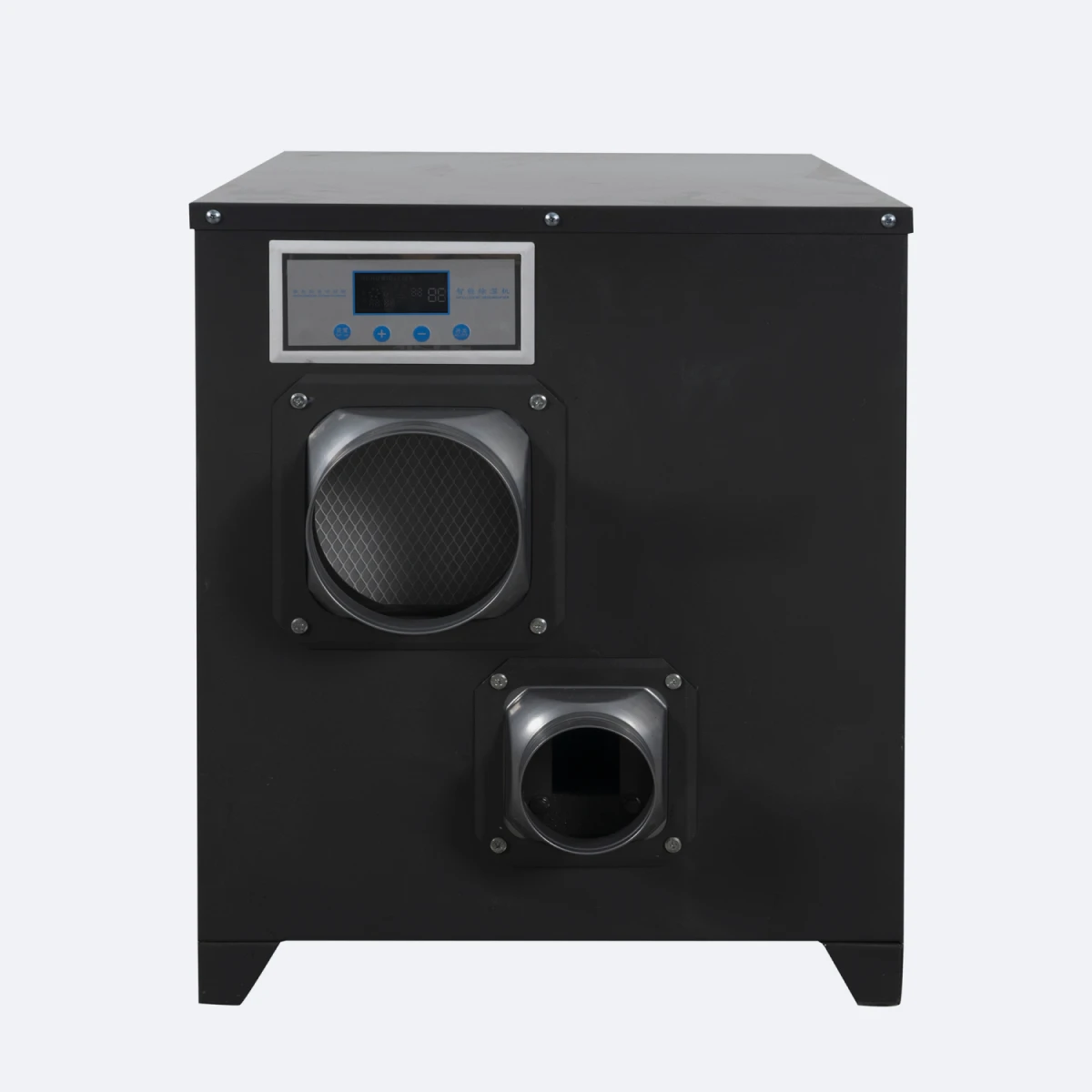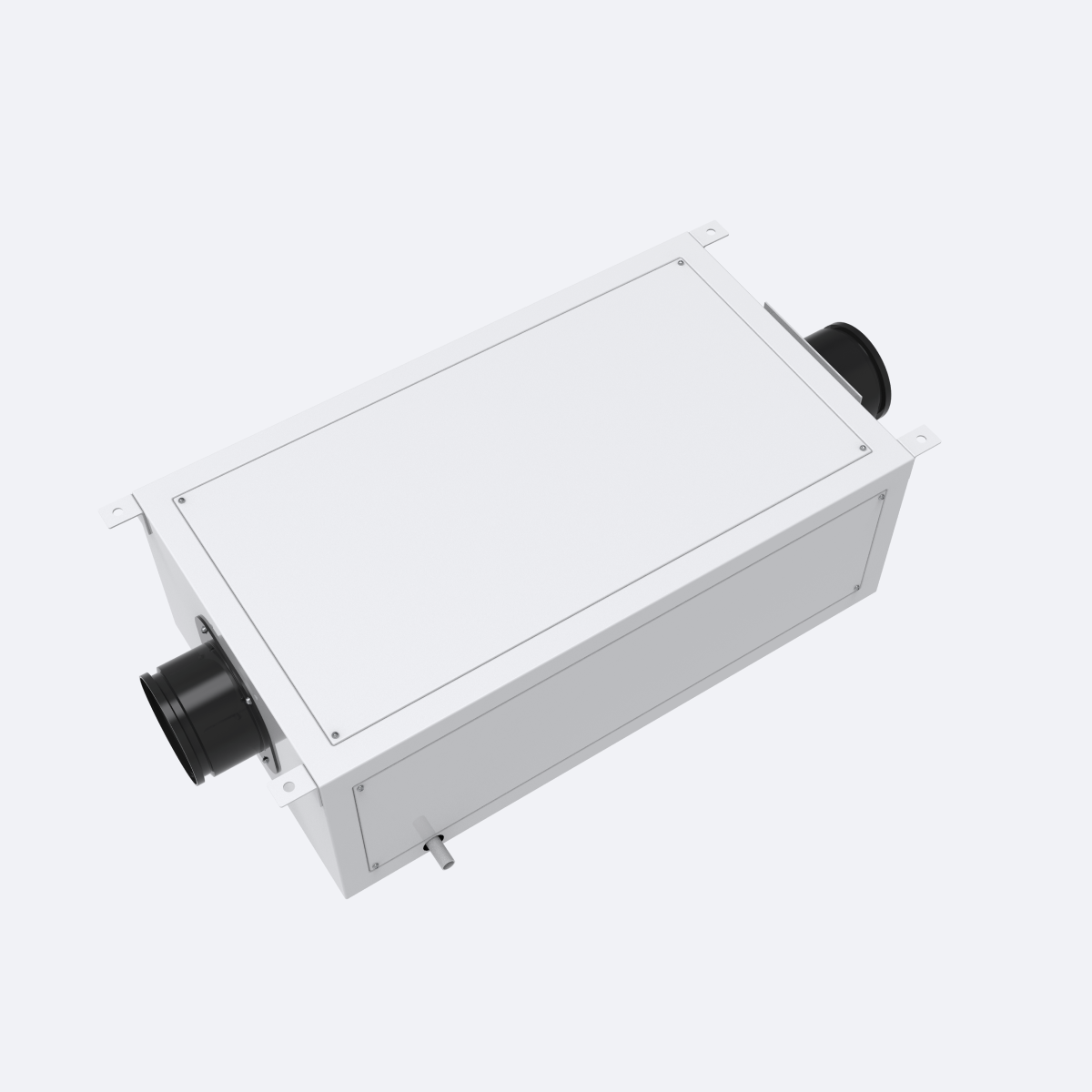
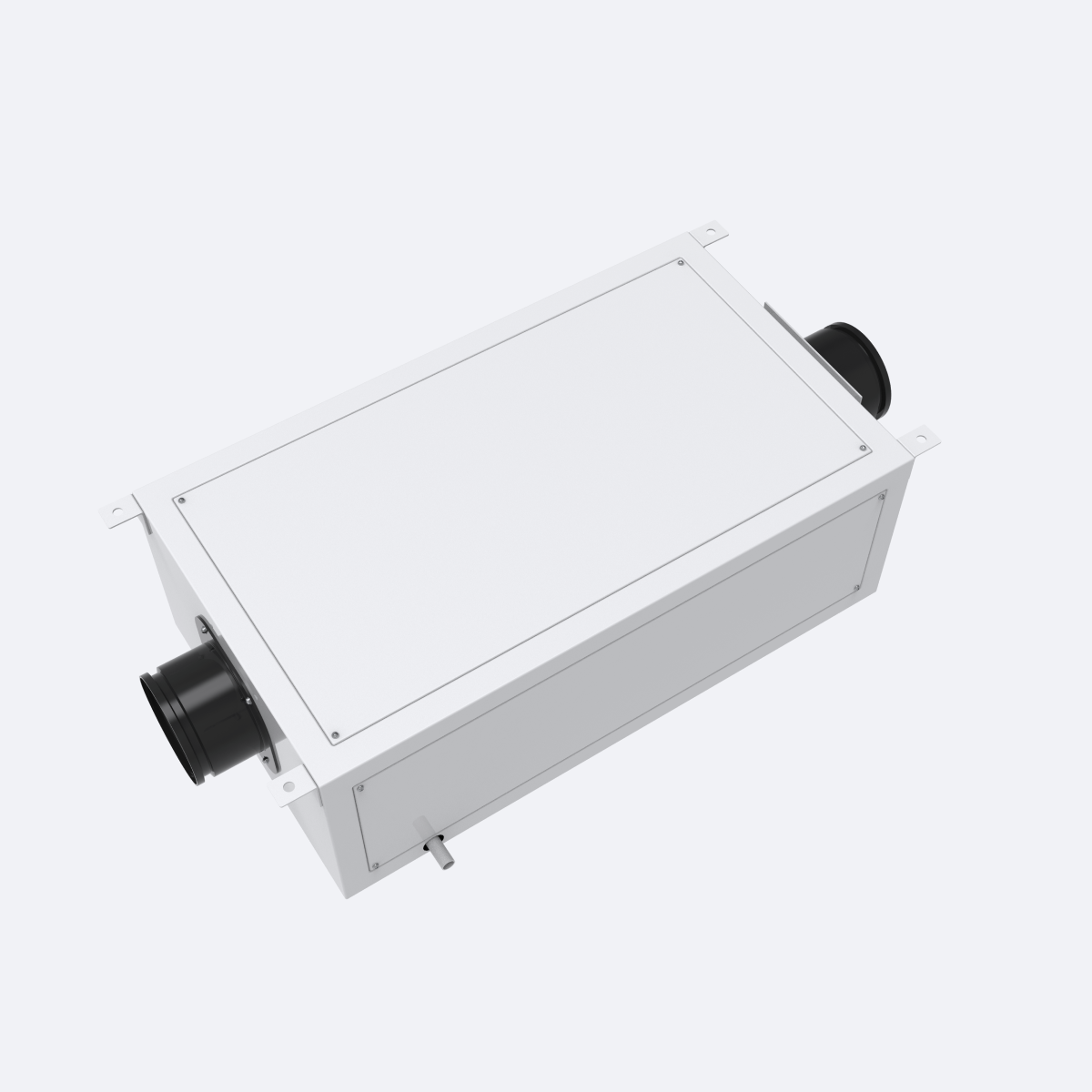
| Item | Specification |
|---|---|
| Dehumidification Capacity (80%RH) | 38L |
| Power Supply | 220V/50Hz |
| Rated Power | 450W |
| Noise Level | ≤50dB(A) |
| Air Circulation | ㎡/h (data missing in image) |
| Humidity Adjustment Range | 30-80% |
| Applicable Area (㎡) | 50 |
| Working Temperature | 5-38℃ |
| Drainage Method | Direct discharge via hose |
| Product Dimensions (L×W×H) | 900×360×220MM |
| Packing Dimensions (Carton) | 950×400×270MM |
| Refrigerant | R134a/150G |
| Net Weight / Gross Weight | Approximately 20kg |
| FOB Shanghai (USD) | 260 |
Engineered for Massive Volumes: The Warehouse Dehumidification Unit
Large-scale logistics centers and storage facilities present distinct atmospheric challenges due to their sheer internal volume and frequent exposure to outside air via loading docks. A standard commercial HVAC system cannot process the aggressive latent moisture loads generated in these environments. A dedicated warehouse dehumidification unit is structurally engineered to process thousands of cubic meters of air per hour. By aggressively drawing in saturated ambient air and mechanically stripping the excess water vapor, these centralized, high-capacity systems establish uniform environmental parameters across massive, open-plan distribution floors, preventing localized microclimates and sudden dew point drops.
Inventory Protection via a Storage Facility Moisture Extractor
Unregulated relative humidity in a massive storage environment directly threatens high-value inventory. A heavy-duty storage facility moisture extractor is a critical line of defense for diverse supply chains. For metals and mechanical components, such as raw ADC12 aluminum alloys, industrial pump housings, and machined motorcycle cylinder heads, strict vapor control prevents galvanic corrosion and micro-rusting prior to distribution. For organic and porous goods, including bulk B2B children's apparel, cat trees, and engineered pet furniture, maintaining a strictly dry atmosphere eliminates the risk of warped materials, deep-seated mildew, and compromised structural integrity during long-term palletized storage.
Structural Maintenance with a Distribution Center Air Dryer
Beyond inventory, the physical infrastructure of a logistics building is highly susceptible to moisture degradation. When humid air contacts cold concrete slab floors or heavy-duty steel pallet racking, condensation immediately forms. This creates severe forklift slipping hazards and accelerates the rusting of load-bearing structural joints. Deploying a distribution center air dryer actively disrupts this condensation cycle. Furthermore, by maintaining a stable relative humidity, the equipment prevents corrugated cardboard packaging from absorbing ambient moisture, ensuring that bulk boxes do not lose their compressive strength, sag, or collapse under the weight of vertical stacking.
High-Capacity Mechanics of a Logistics Hub Humidity Controller
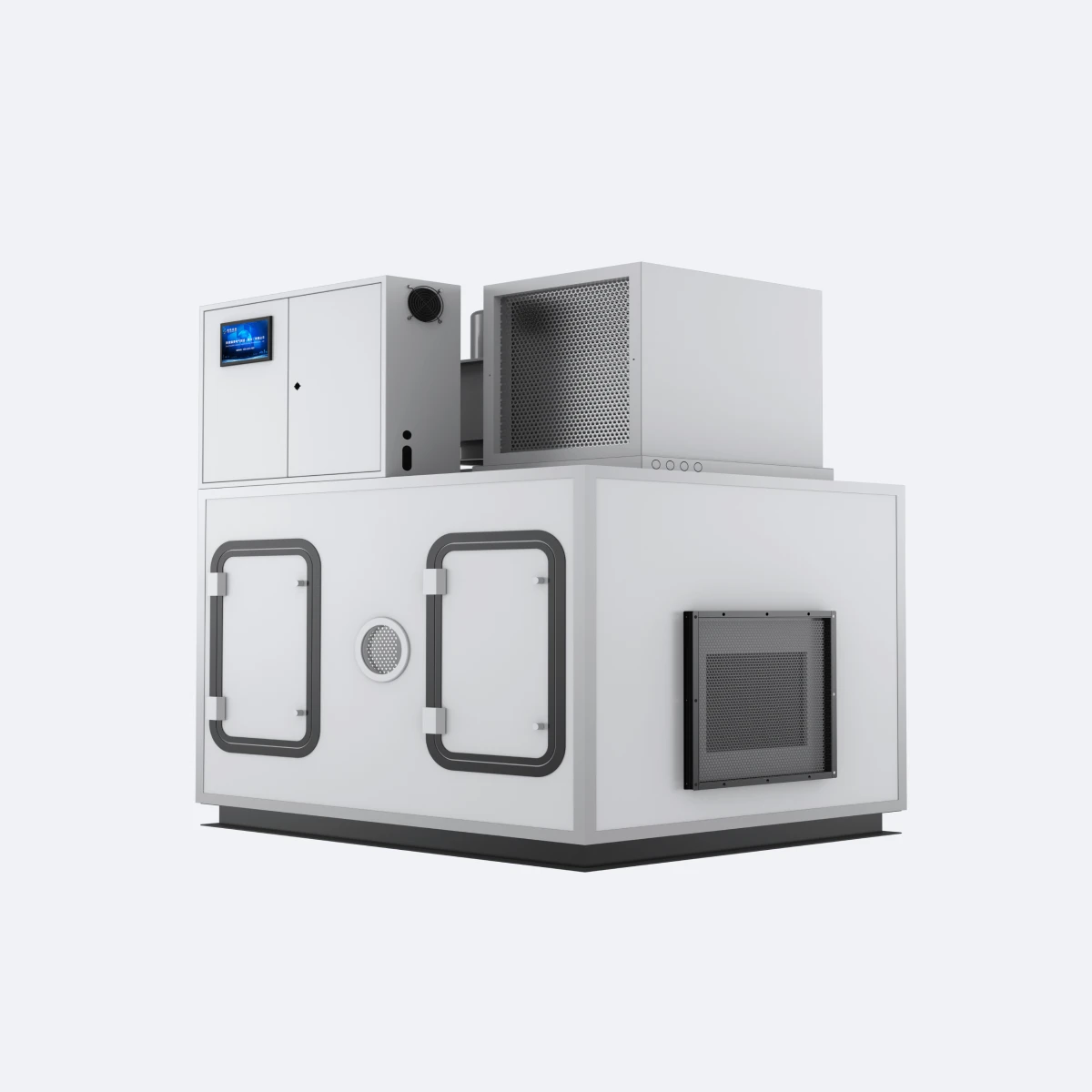
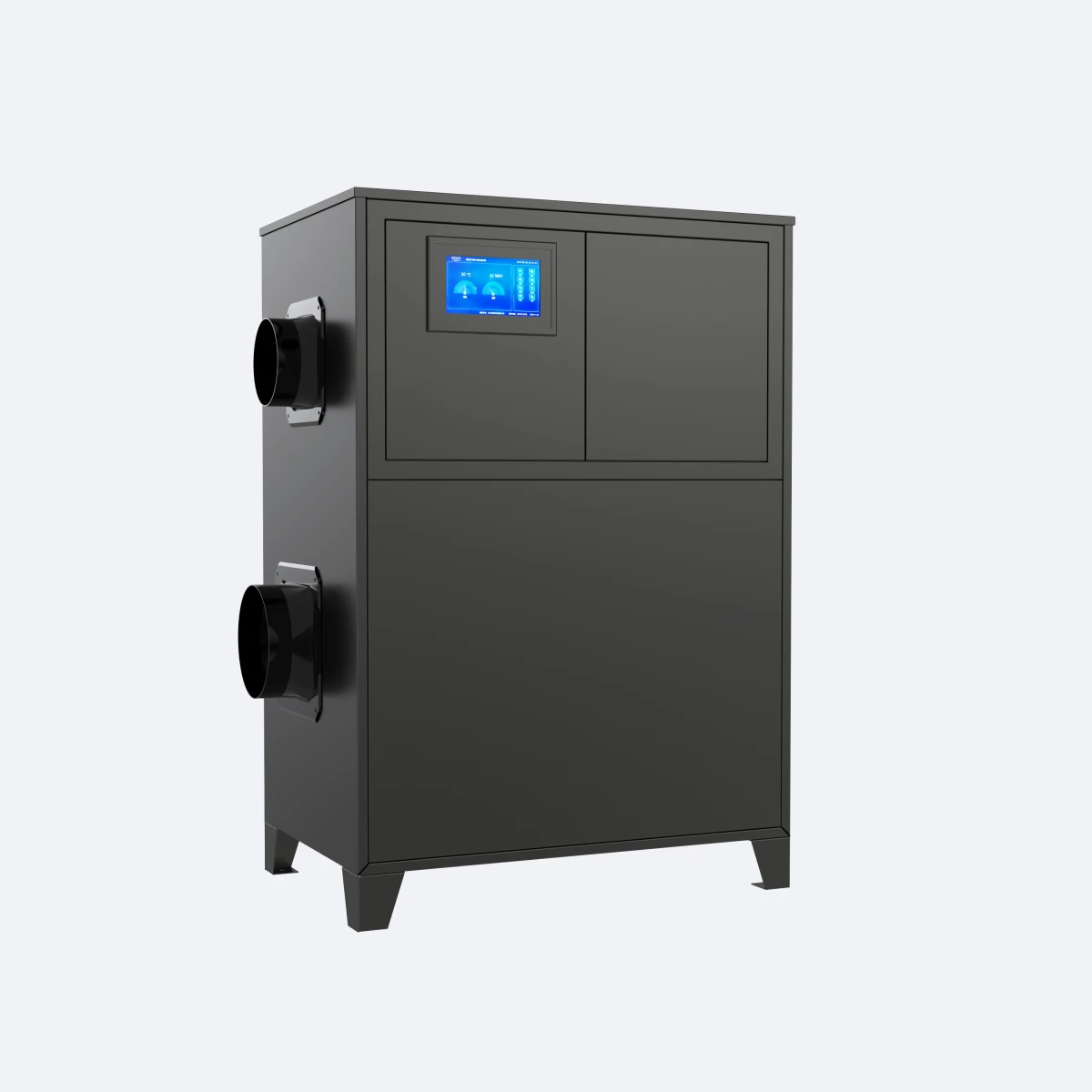
The ability to extract hundreds of liters of water daily in a harsh industrial setting requires uncompromised mechanical engineering. Our factory constructs every logistics hub humidity controller utilizing heavy-gauge galvanized steel cabinetry designed to withstand physical impacts on the warehouse floor. Internally, the systems are driven by industrial-grade scroll or rotary compressors paired with oversized, hydrophilic-coated evaporator coils. To ensure the conditioned air reaches every corner of the facility, the units are equipped with high-velocity, high-CFM (cubic feet per minute) centrifugal blowers that forcefully project dry air down long aisles and between dense racking structures.
Facility Integration of a Commercial Warehouse Moisture Removal System
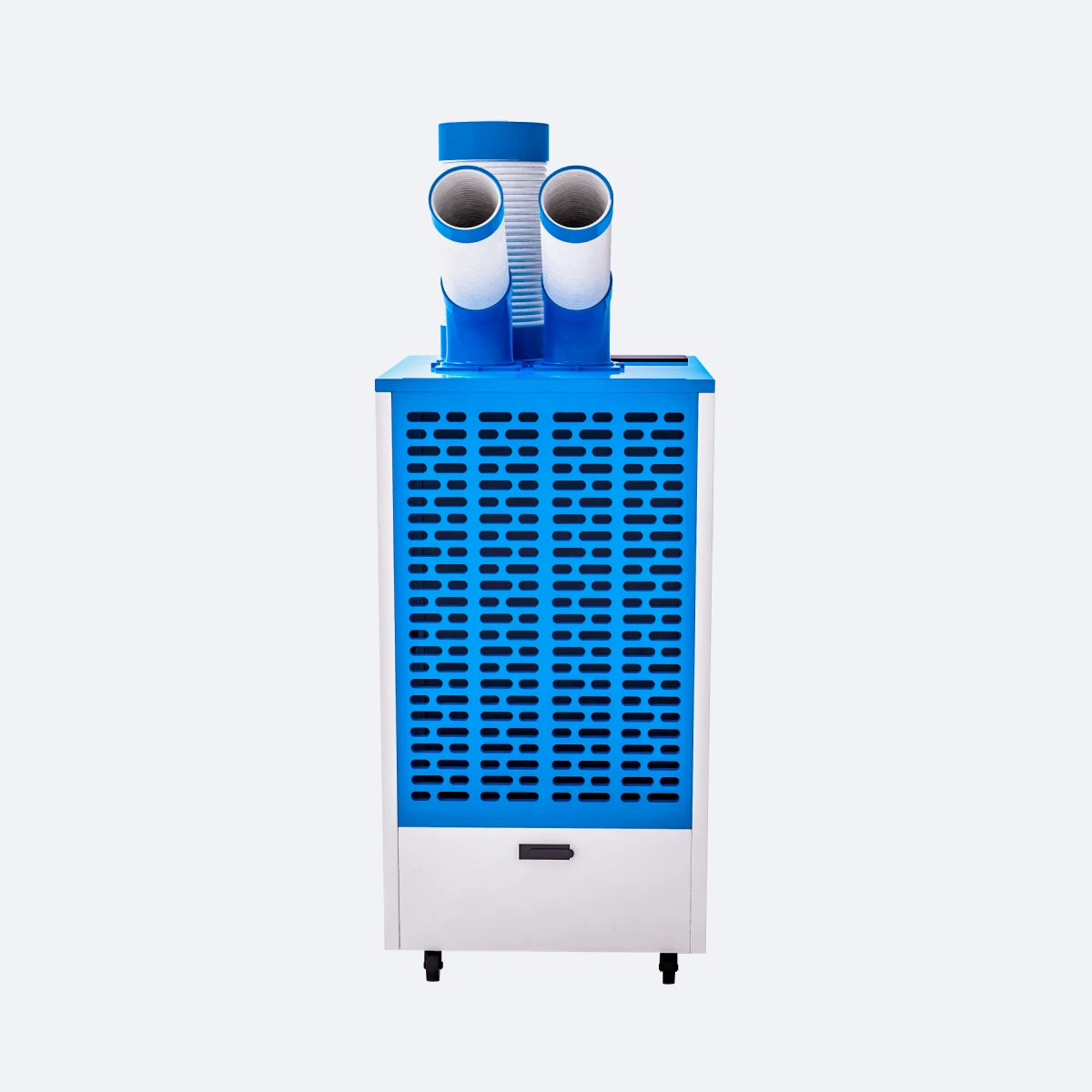
Floor space in a logistics center is exclusively reserved for revenue-generating inventory and material handling equipment. Therefore, our commercial warehouse moisture removal system is engineered for versatile, non-obstructive deployment. While mobile units with heavy-duty casters are available for localized spot-drying, the primary systems are designed with reinforced brackets for secure ceiling suspension. HVAC contractors can integrate these units directly into the overhead truss system, utilizing continuous gravity drainage piping or integrated high-lift condensate pumps to automatically route extracted water to exterior drains, ensuring continuous, autonomous operation without interrupting ground-level forklift traffic.